
EPDM Sizes: Granule Size Guide for Wet Pour and Sports Flooring
A complete guide to EPDM granule sizes, grading ranges and application selection for playgrounds, wet pour systems, running tracks and recreational rubber flooring.
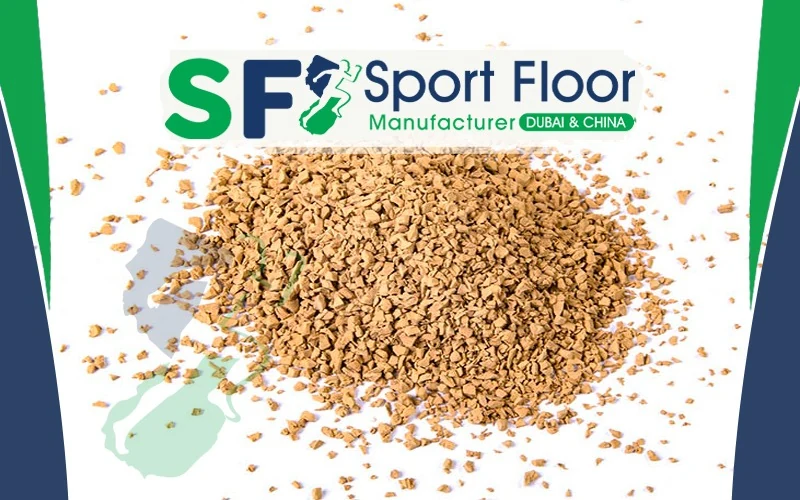
EPDM sizes describe the grading range of the rubber particles, such as 0.5–1.5 mm, 1–3 mm, 2–4 mm or 3–6 mm. Finer granules generally create a denser and smoother-looking finish, while larger granules create a more open and visibly textured surface. The best size must be chosen according to the flooring system—not by appearance alone.
Compare SizesWhat Does EPDM Granule Size Mean?
EPDM granule size is the range of particle dimensions present in a graded rubber product. A description such as 1–3 mm does not mean every particle is exactly the same size; it means the material has been screened to fall within an agreed grading range and tolerance.
Searchers may use the terms EPDM sizes, granules size, granule size or size of granules. In practice, they are trying to understand how particle grading changes surface appearance, installation behavior and suitability for a specific project.
Size should be selected together with layer thickness, binder system, site conditions and the installer’s approved method. A fine grading may look attractive, but it may not be the right choice for every application. A coarser grading may provide the required texture, but it may not produce the visual finish expected for detailed graphics.
For a general material overview, use the main EPDM granules page. This guide remains focused on particle grading and application selection.
Common EPDM Granule Sizes and Their Typical Uses
The table provides a practical overview of commonly requested ranges. It is not a substitute for the system designer’s or manufacturer’s specification, because exact suitability varies by product, layer and application.
| EPDM granule size | General surface character | Common selection reasons | Typical applications | Points to confirm |
|---|---|---|---|---|
| 0.5–1.5 mm | Fine, compact and visually detailed. | Chosen when a tighter surface texture or detailed finish is required. | Selected decorative work, detailed inlays and systems specifically designed for fine grading. | Binder demand, installation method, fines control and approved system specification. |
| 1–3 mm | Balanced texture with relatively dense visual coverage. | Commonly considered for wet pour top layers and detailed recreational surfaces. | Playgrounds, decorative surfaces, paths and selected sports applications. | Layer thickness, installer preference, surface texture and binder compatibility. |
| 2–4 mm | More visibly textured and open than finer grading. | Often selected for practical surface texture and common rubber-surfacing systems. | Wet pour, playgrounds, recreational areas and selected track or sports systems. | Required finish, system specification, thickness and aggregate distribution. |
| 3–6 mm | Coarser and more pronounced particle texture. | Used where the designed system calls for a larger grading or more open visual structure. | Selected sports, decorative or specialist rubber applications. | Surface comfort, layer depth, system approval and whether the grading suits detailed graphics. |
0.5–1.5 mm EPDM Granules
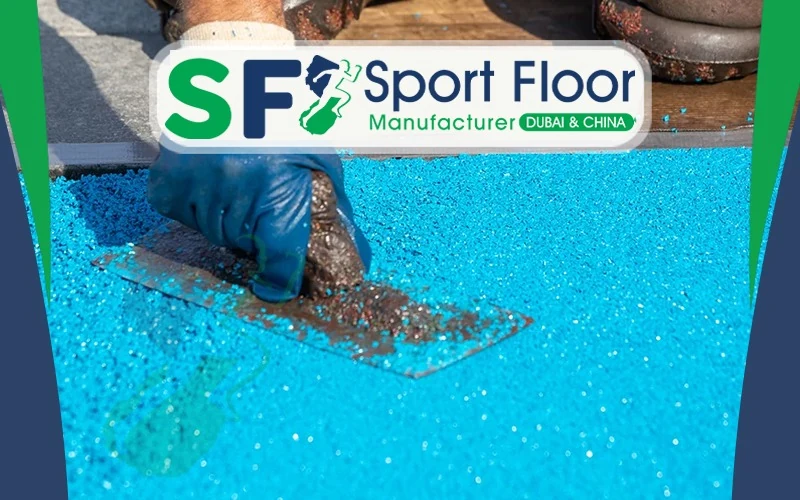
Fine EPDM granules are selected when the project needs a compact appearance, controlled detail or a system specifically developed for smaller particles. The larger total particle surface area means mixing and binder requirements must be checked carefully.
Best visual use
Detailed borders, small graphics, compact finishes and systems designed for finer grading.
Installation consideration
Fine particles have more combined surface area, so the approved binder ratio and mixing method matter.
Quality consideration
Confirm that the product is intentionally graded and not simply a dusty or poorly screened material.
Procurement question
Ask whether the fine grading is recommended for your exact layer thickness and application.
1–3 mm EPDM Granules
The 1–3 mm range is frequently considered when buyers want a balanced surface with relatively dense coverage and enough visible texture for wet pour, playground and decorative applications.
Appearance
Generally produces a tighter and more refined visual texture than coarser ranges.
Application fit
Often evaluated for playground top layers, paths, graphics and selected sports surfaces.
Buyer check
Confirm the exact grading tolerance, layer thickness and installer-approved binder ratio.
2–4 mm EPDM Granules
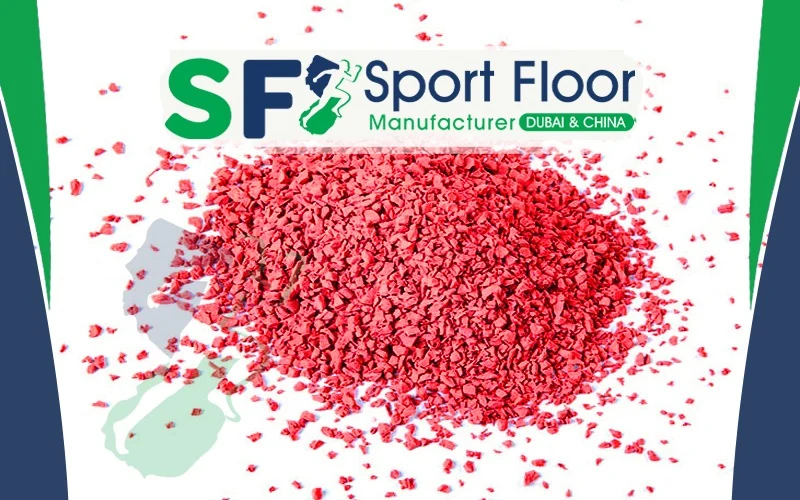
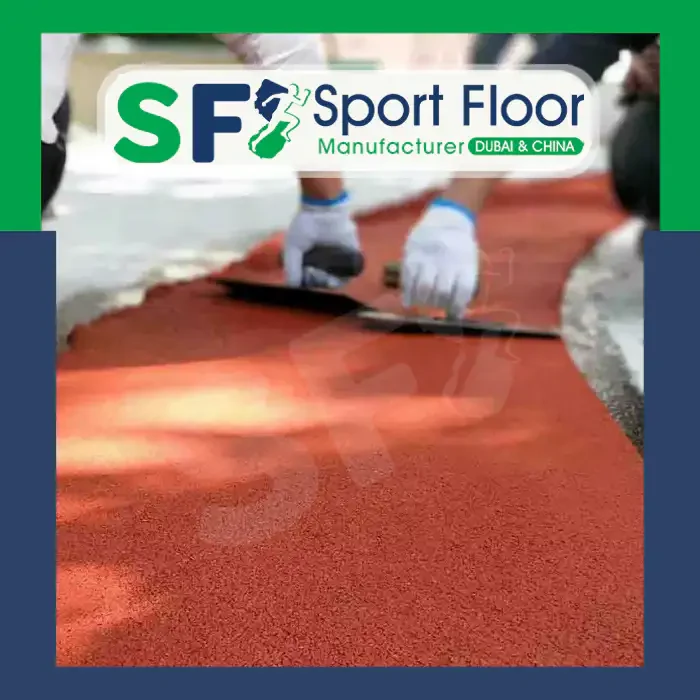
The 2–4 mm range is widely requested for rubber surfacing because it creates a clearly visible particle texture and can suit a broad range of wet pour, playground and recreational systems when approved by the project specification.
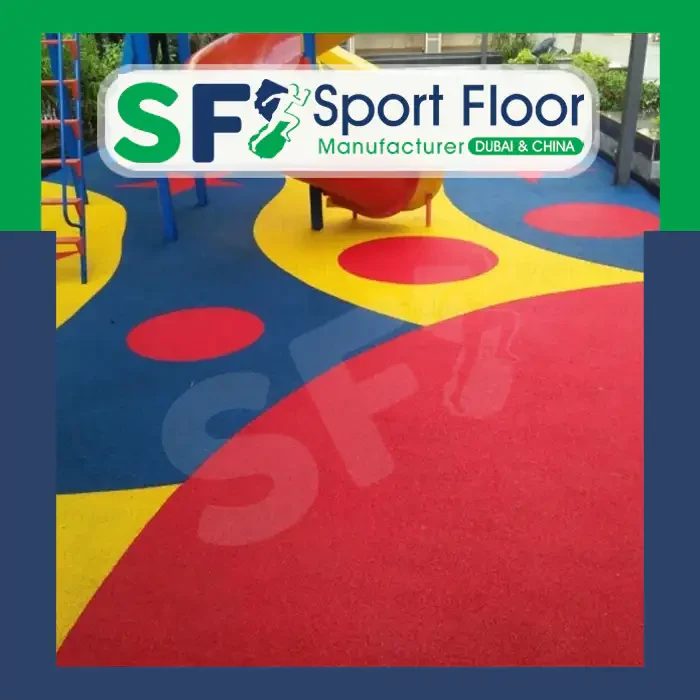
Playground top layers
Often considered where the design needs a durable, visible rubber texture and strong color zoning.
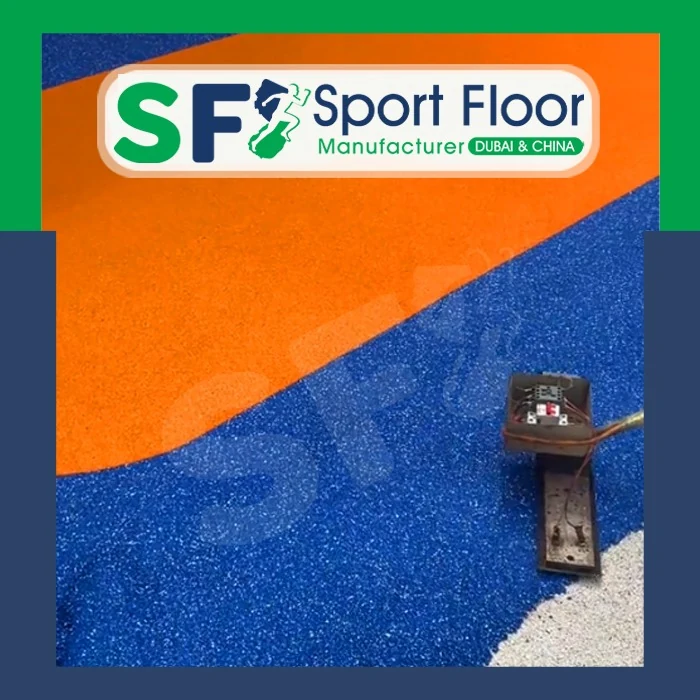
Recreational surfaces
Suitable for activity zones, pathways and sports areas when the system calls for this grading.
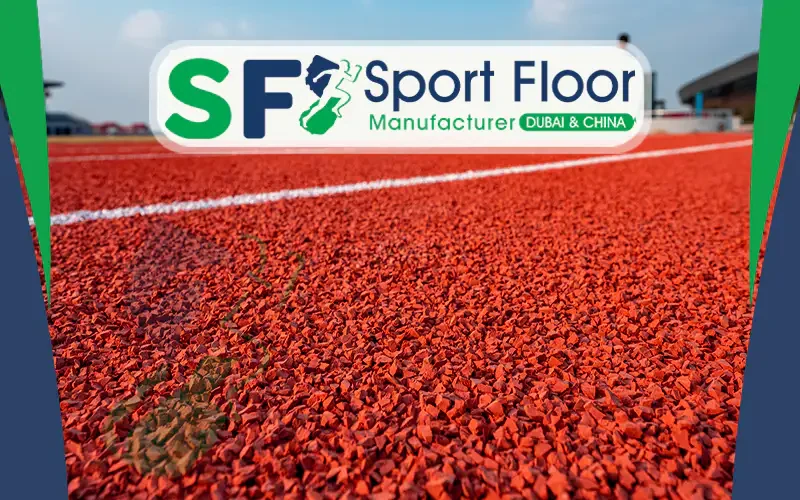
Selected athletic systems
Can be considered for athletic and track work according to the specific track system and installer method.
3–6 mm EPDM Granules
Coarser EPDM granules create a more pronounced particle structure. They can be useful in systems designed for larger grading, but they are not automatically suitable for every top layer, thin section or detailed graphic.
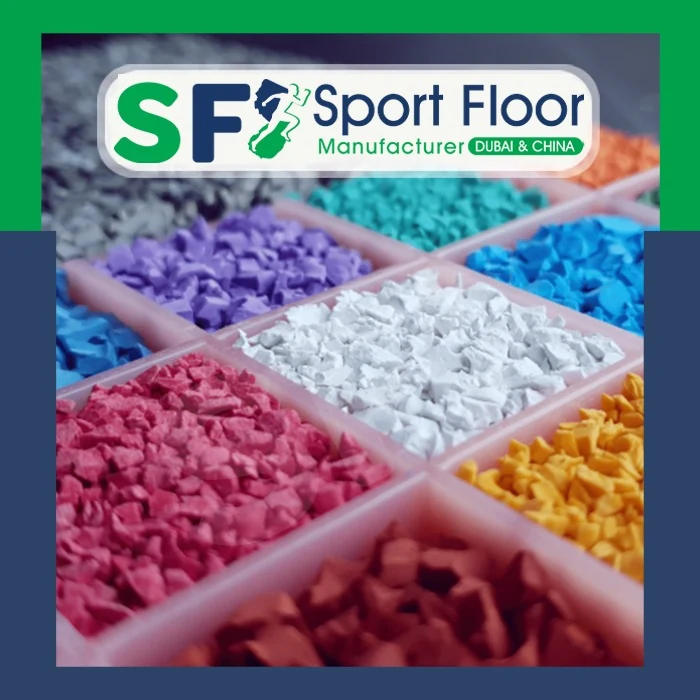
Visible texture
Larger particles create a more open and obvious aggregate appearance.
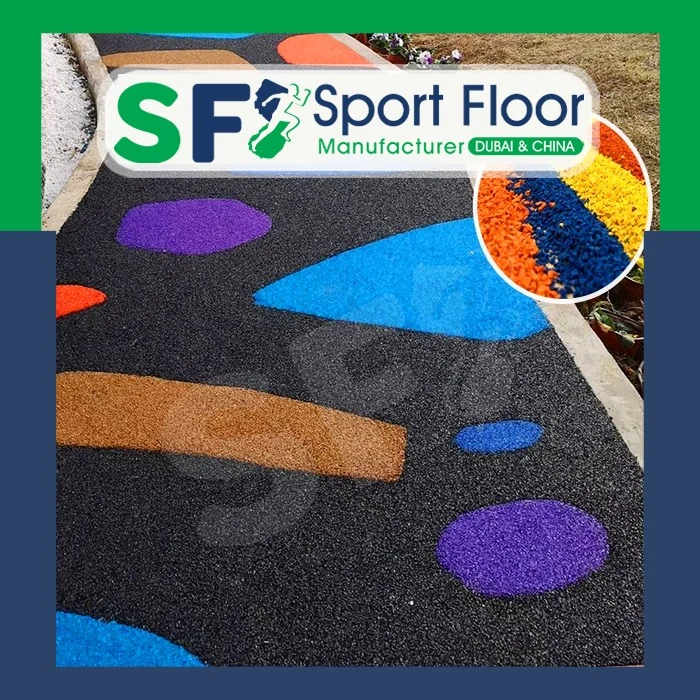
Decorative use
May suit selected bold designs where small graphic detail is not the main priority.
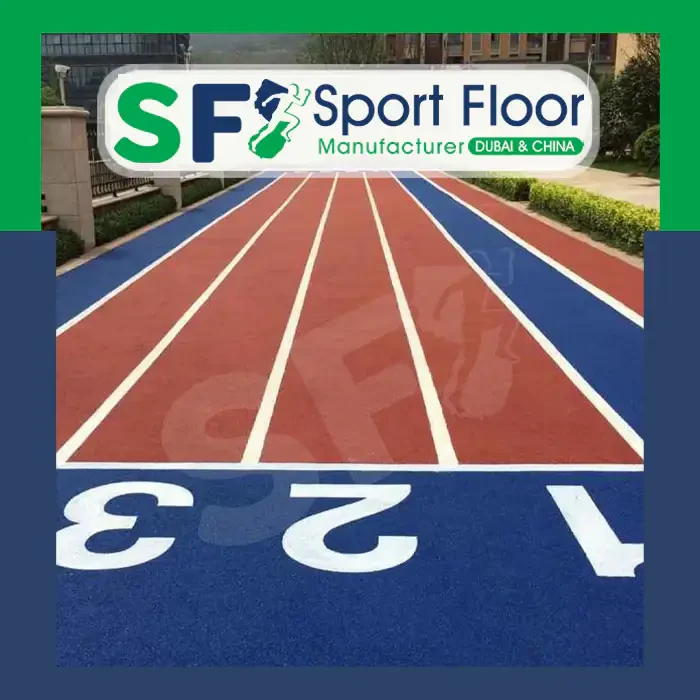
System-specific use
Use only when the track, sports or recreational system explicitly accepts the coarser grading.
What Is the Best EPDM Size for Wet Pour Flooring?
The best EPDM size for wet pour flooring is the grading specified by the approved system designer, material supplier and installer. Common top-layer discussions often compare 1–3 mm with 2–4 mm, but the correct answer depends on appearance, layer thickness, binder, installation technique and performance requirements.
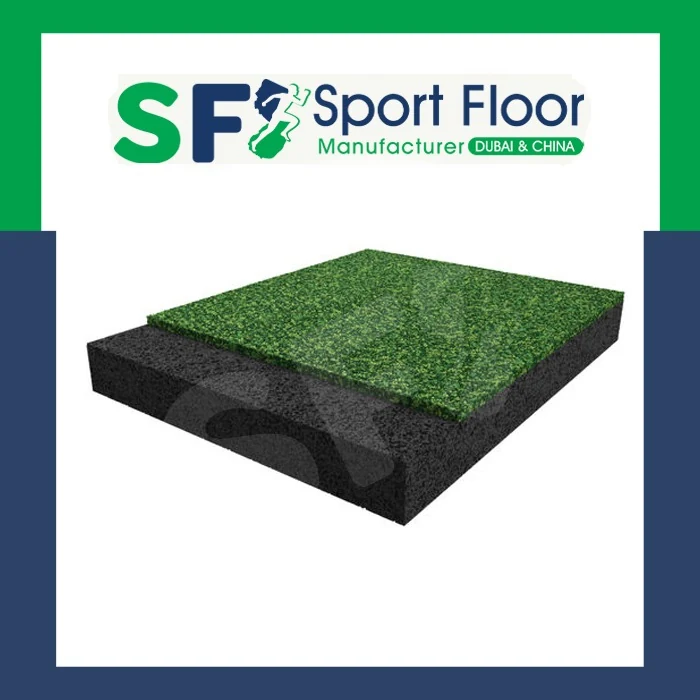
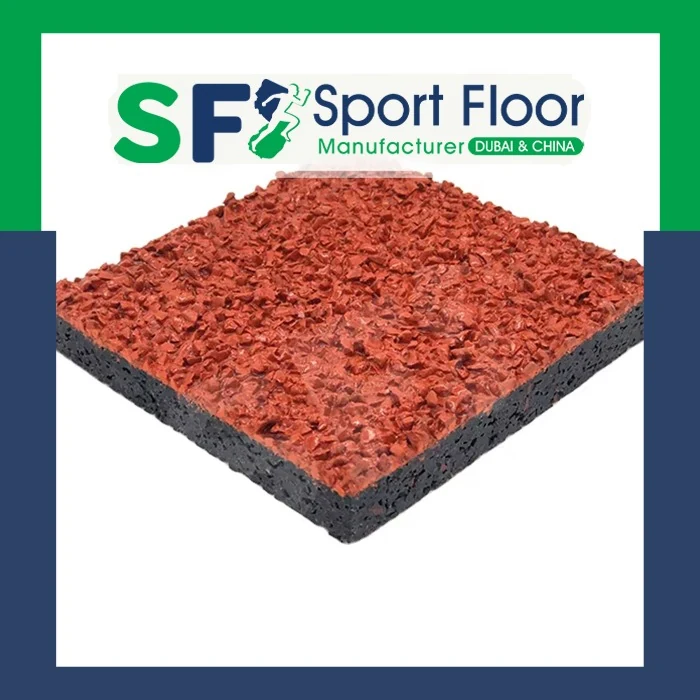
Layer role
EPDM usually forms the visible top layer while SBR rubber granules form the resilient base.
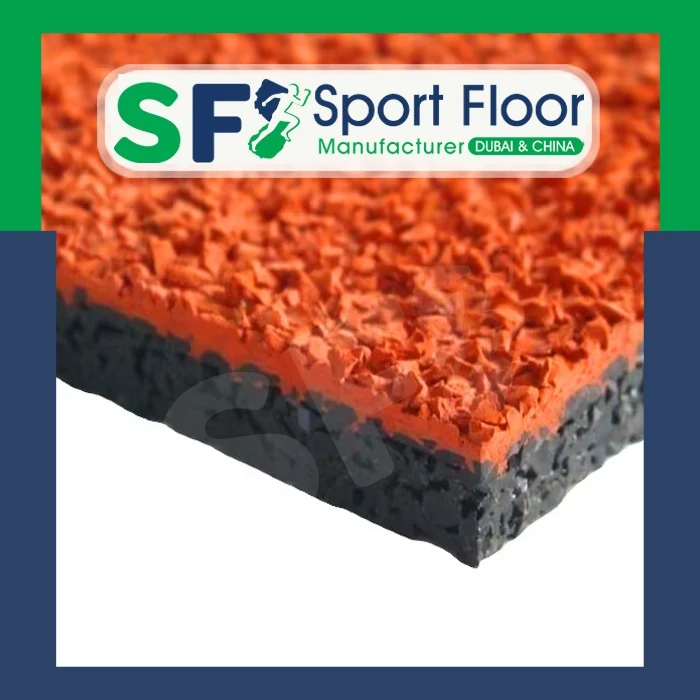
Layer thickness
The granule range must fit the intended top-layer depth and finishing method.
Binder compatibility
Confirm the approved PU binder and mixing ratio for the selected grading.
For system design, layers and installation context, read the complete wet pour rubber flooring guide.
Choosing EPDM Granule Size for Playground Flooring
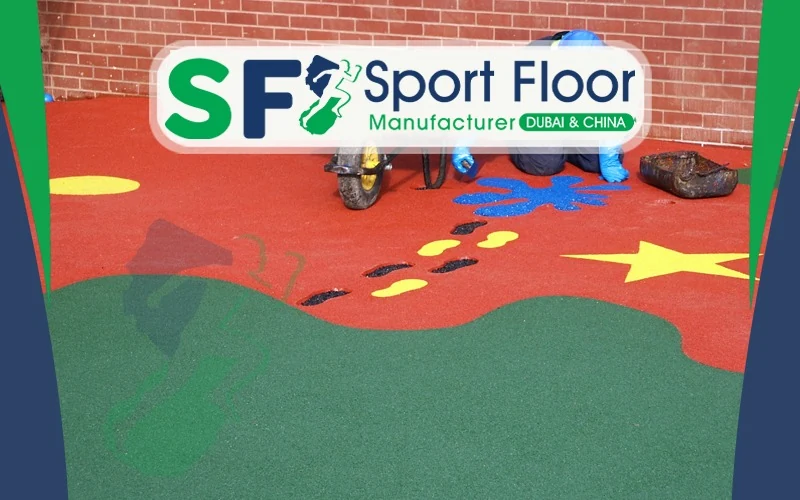
Playground projects often need both safety performance and detailed visual design. The EPDM top-layer grading should therefore support the system thickness, equipment zones, graphics and installer workmanship.
Detailed graphics
Finer or balanced grading may support cleaner small shapes when the approved system allows it.
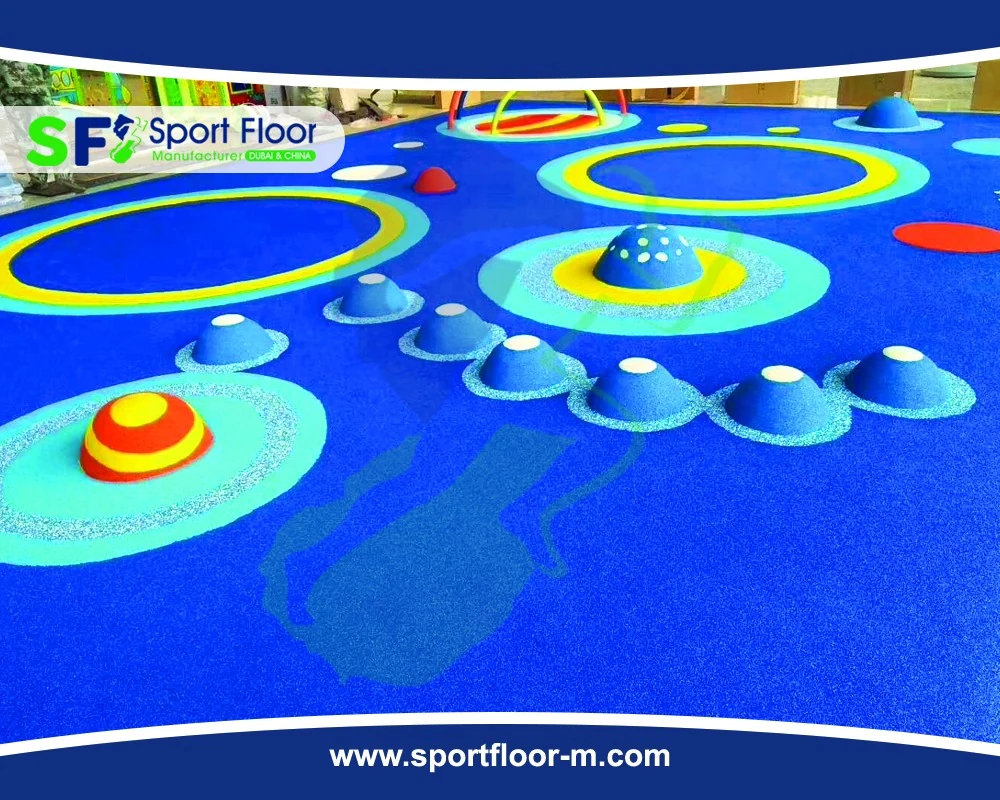
Themed surfaces
Complex designs require grading that the installation team can control at borders and curves.
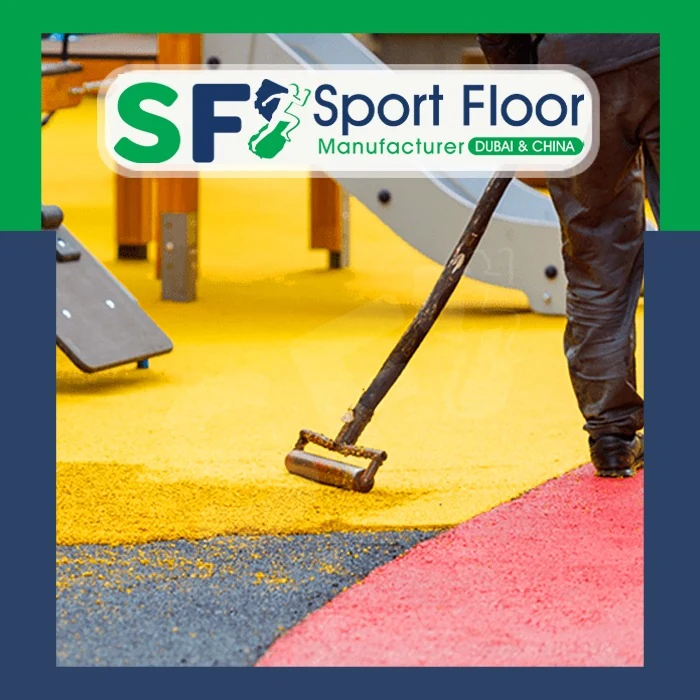
Installer method
The chosen size must spread and finish consistently with the team’s approved method.
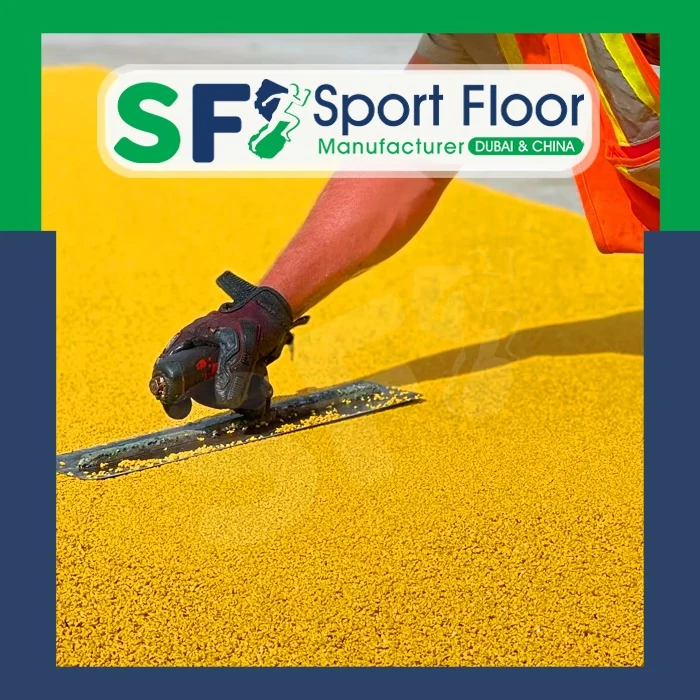
Surface control
Good grading does not replace correct mixing, screeding, compaction and curing.
EPDM Granule Size for Running Tracks and Sports Surfaces
Running tracks and athletic surfaces use system-specific combinations of rubber, polyurethane and finishing materials. The EPDM grading should follow the selected track system rather than a generic playground recommendation.
Before ordering, identify whether the project is a full-pour polyurethane system, sandwich system, spray system or another athletic construction. Different systems can use rubber particles in different roles.
For full project context, visit running track systems, PU athletic track solutions and tartan materials.
How Granule Size Changes the Finished Surface
Particle size influences several practical characteristics at the same time. The effect cannot be judged from one photo or one sample alone.
Visual density
Finer particles generally create a tighter visual field, while larger particles create a more open texture.
Detail resolution
Smaller grading can support detailed borders and graphics when the system and installer allow it.
Binder contact
Smaller particles create more combined surface area, so binder demand must follow the approved formulation.
Layer suitability
A larger grading may not suit a very thin layer or highly detailed design.
Finish technique
Troweling, screeding and compaction affect the final texture alongside the nominal size.
Maintenance appearance
Surface texture can change how dust, wear and small contamination appear over time.
Why Nominal Size Is Not Enough
Two bags labeled 1–3 mm can behave differently if one contains excessive dust, oversize particles or inconsistent screening. A professional specification should therefore discuss grading quality, not only the printed size range.
Fines and dust
Excess fine material can affect cleanliness, mixing and the visual consistency of the surface.
Oversize particles
Unexpected large pieces can disturb detailed work and create an inconsistent finish.
Distribution inside the range
A product concentrated near one end of the range may look and behave differently from a balanced grading.
Screening consistency
Repeatable screening supports more predictable installation and purchasing.
Batch identification
Labels help the site team keep sizes, colors and production batches separated.
Sample comparison
Review a current sample before a bulk or repeated order whenever grading is critical.
How to Request the Correct EPDM Granule Size
A useful request should describe the intended system—not simply ask for “granules size.” The checklist below gives the supplier enough context to guide the quotation.
- Application: playground, wet pour, running track or decorative surface
- Layer role: visible EPDM top layer or another use
- Requested grading, if already specified
- Top-layer thickness or full system specification
- Required surface texture or graphic detail
- EPDM color or color split
- Total quantity
- Packaging preference
- Destination and Incoterms
- Required TDS, SDS or project documents
Use the right related page
For colors, use EPDM color options.
For sourcing, use EPDM rubber granules supplier.
For large quantities, use bulk EPDM granules by size.
For price research, use EPDM granules price per ton.
Send Size RFQ on WhatsAppEPDM Granules, Sizes, Installation and Surface Gallery
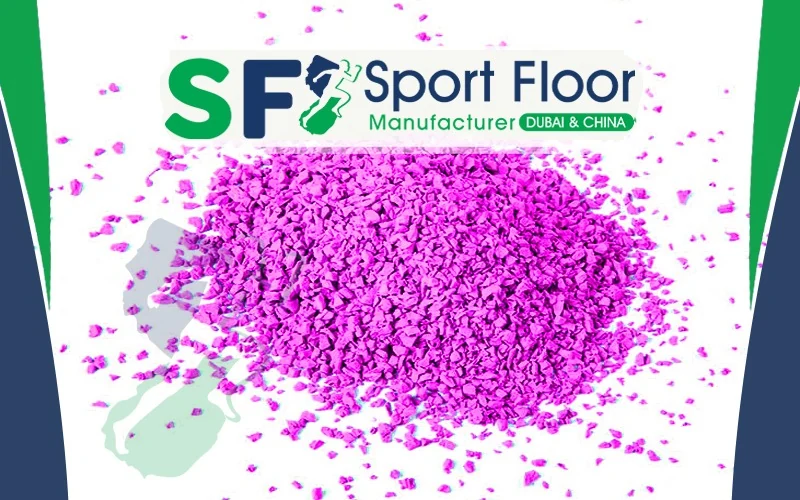
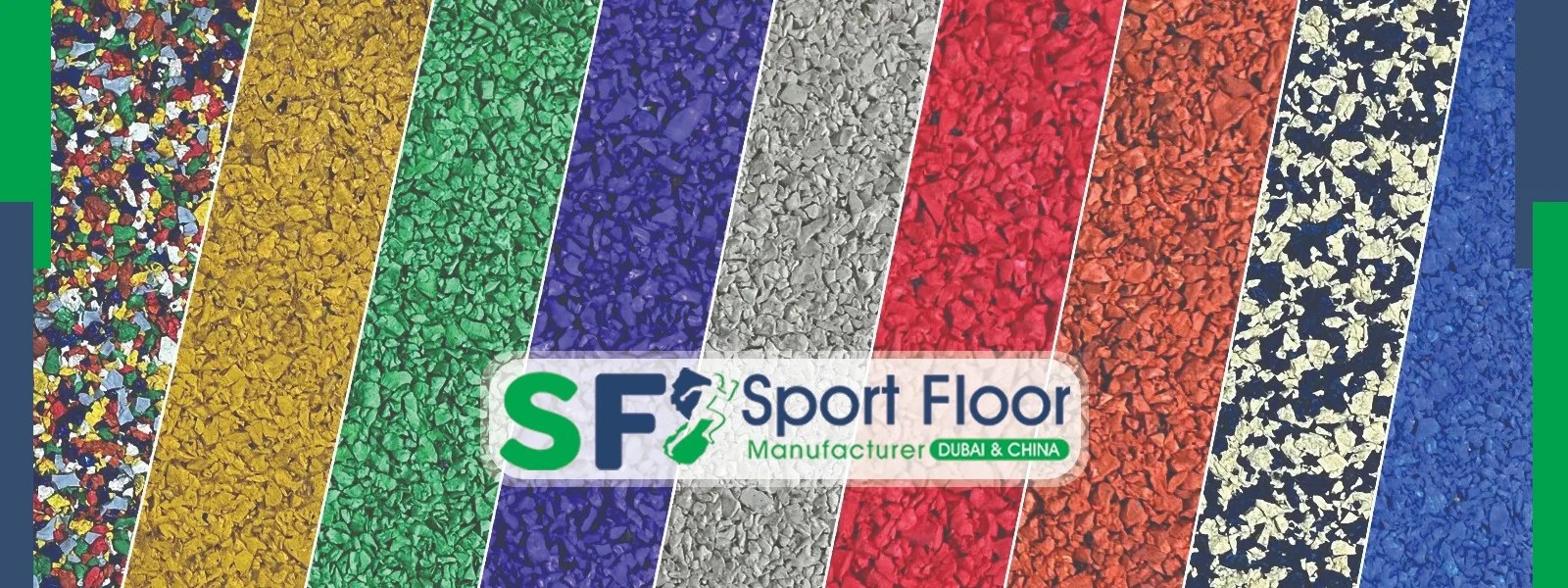
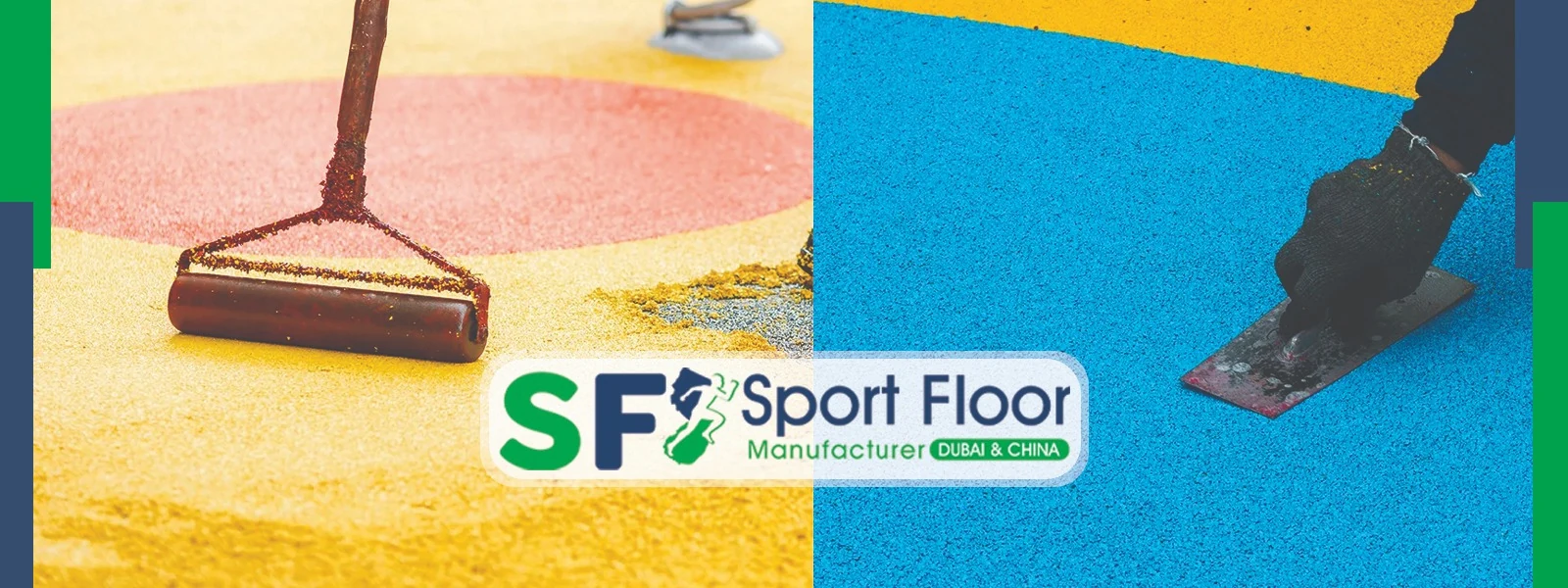
All supplied images are included. The gallery uses a consistent 1:1 display ratio while showing product particles, application texture, installation and complete system sections.
EPDM Sizes FAQ
Direct answers for buyers, installers and project teams comparing EPDM granule sizes.
What are the common EPDM granule sizes?
What is the best EPDM granule size for wet pour?
What is the difference between 1–3 mm and 2–4 mm EPDM?
Are smaller EPDM granules smoother?
Do fine granules need more binder?
Can 3–6 mm EPDM be used for playgrounds?
Does granule size affect price?
How should I compare granule sizes from different suppliers?
What does “1–3 mm” mean?
Which granule size is best for detailed playground graphics?
Can EPDM sizes be mixed?
Where can I buy EPDM granules by size?
Choose the Right EPDM Granule Size for Your Project
Send the application, system type, required surface texture, layer thickness, color, quantity and destination. Sport Floor can guide you to the relevant product, supplier, wholesale or system page and prepare the correct quotation route.