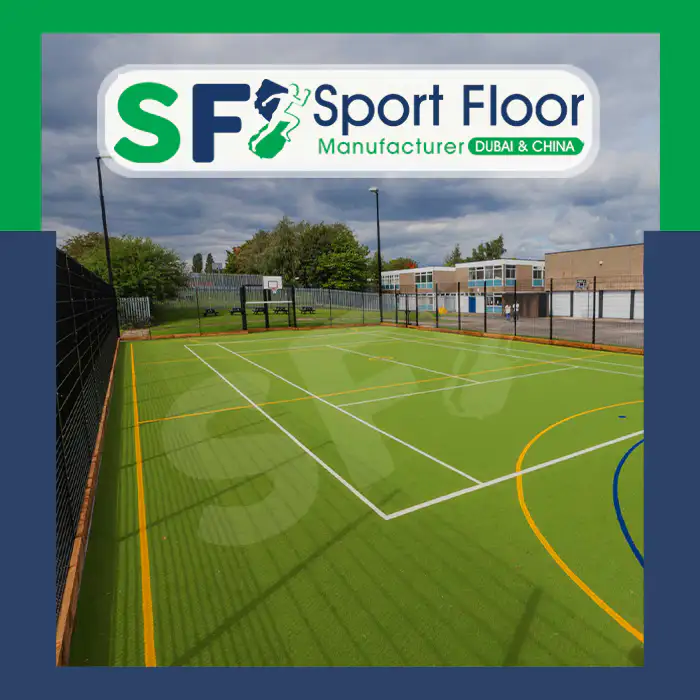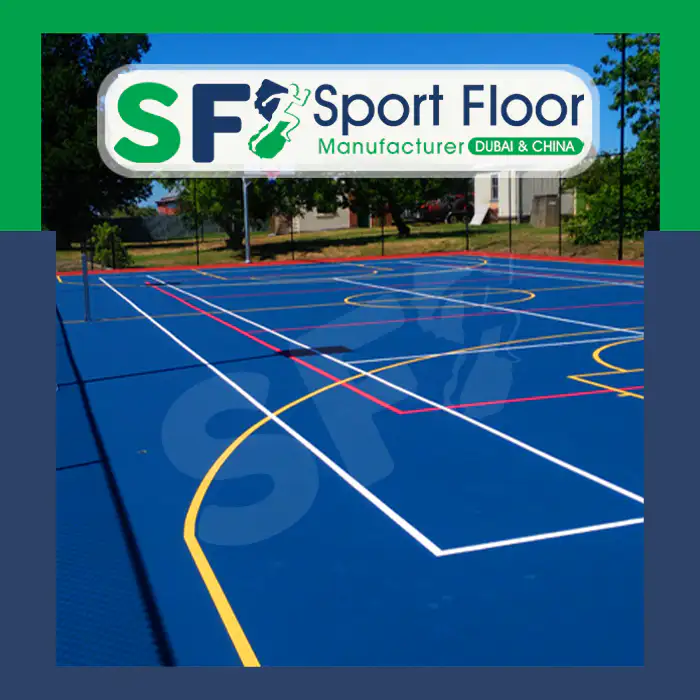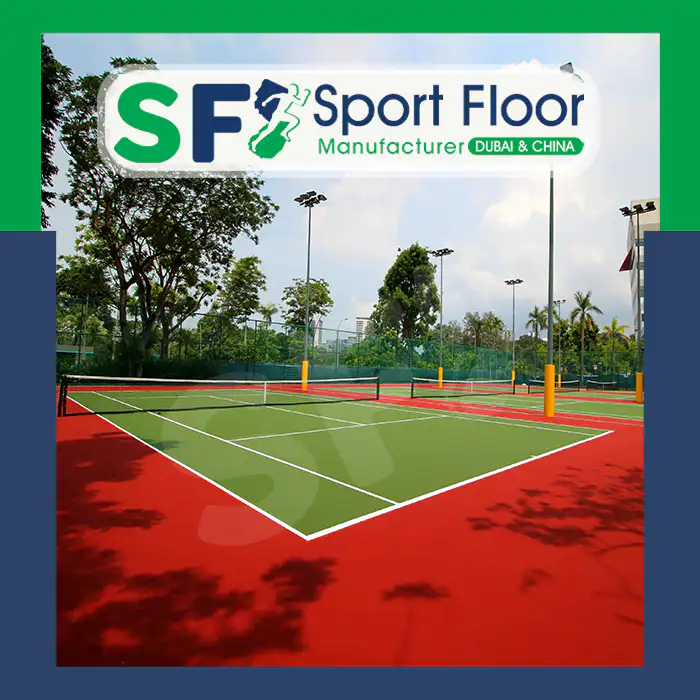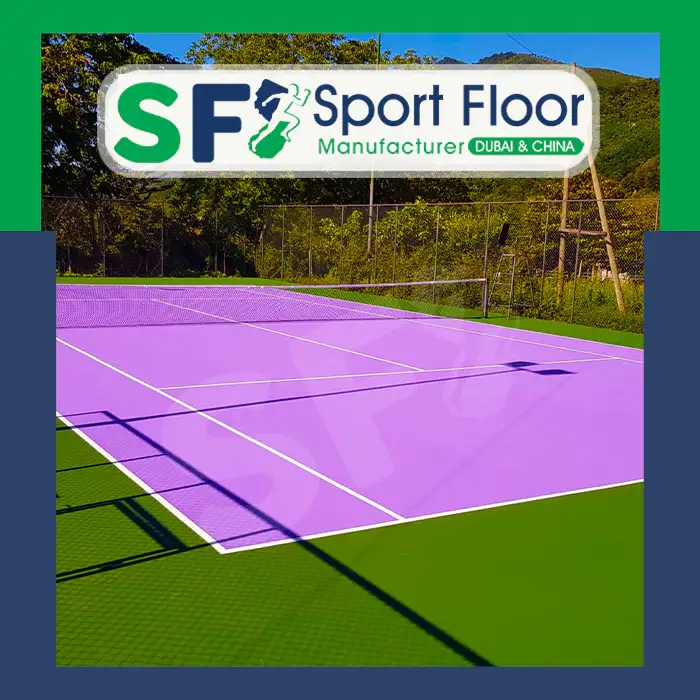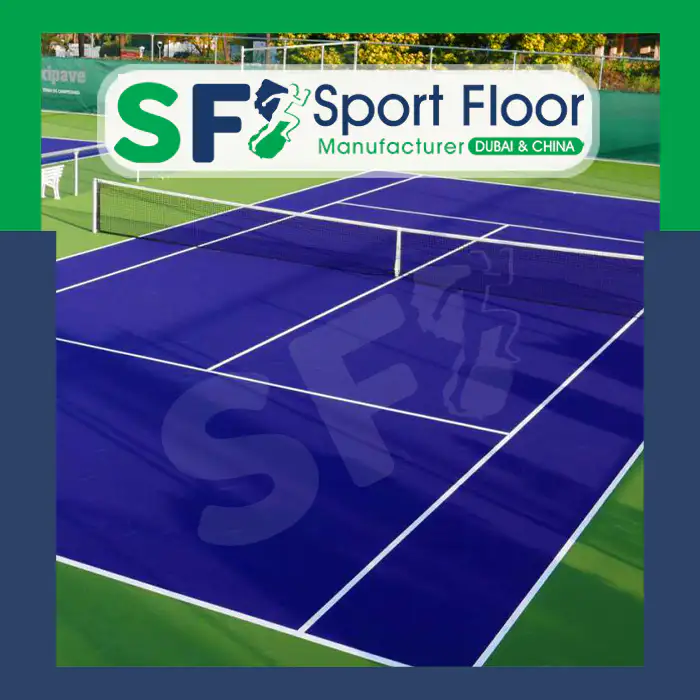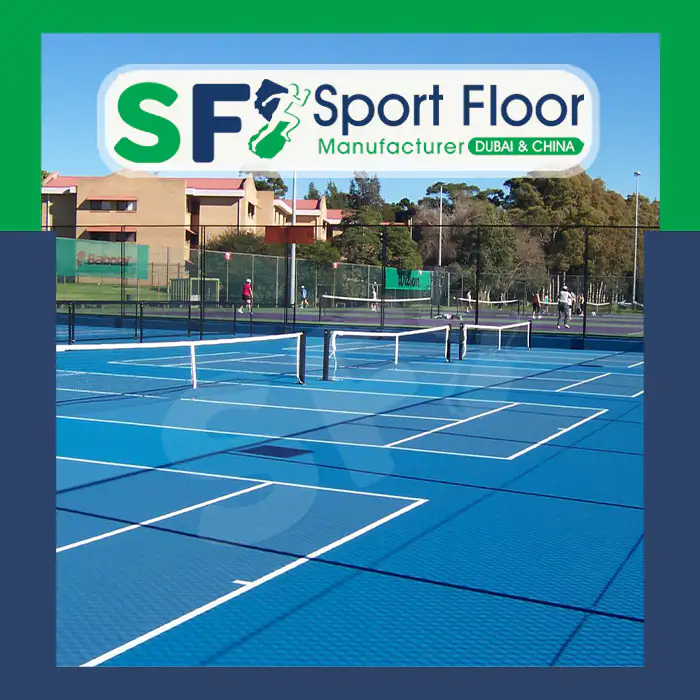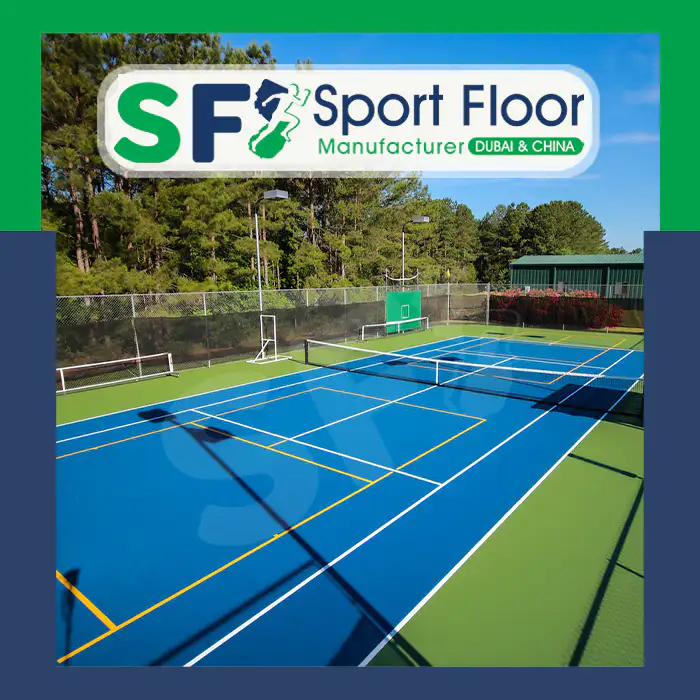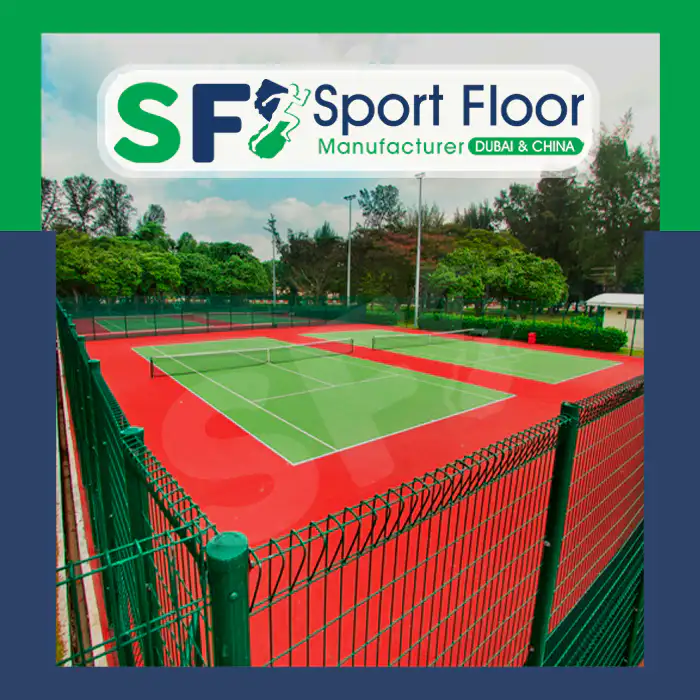









Acrylic Courts for Tennis, Basketball and Multi-Sport Facilities
Acrylic court systems for schools, clubs, academies, universities, residential developments and community facilities. Select the complete system according to the sport, base condition, indoor or outdoor exposure, required surface texture, cushioning, colors, line plan, total area and project documentation.
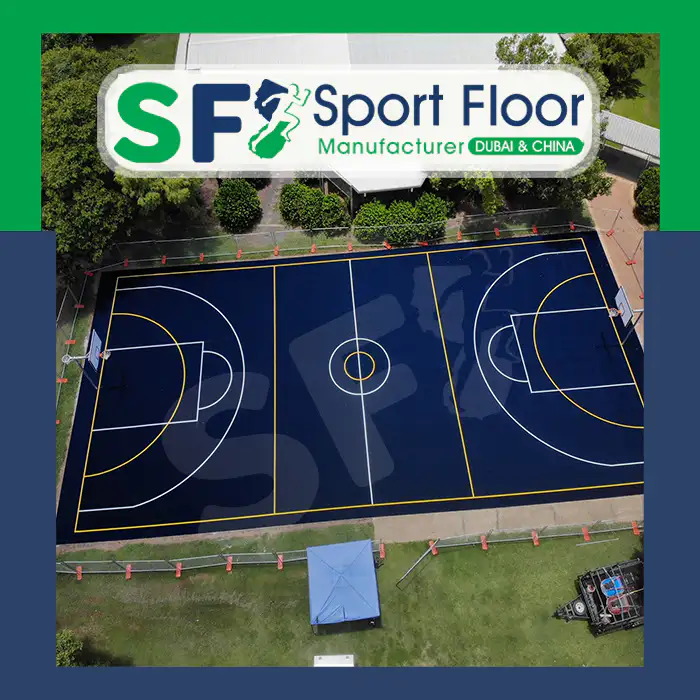
What Is an Acrylic Sports Court?
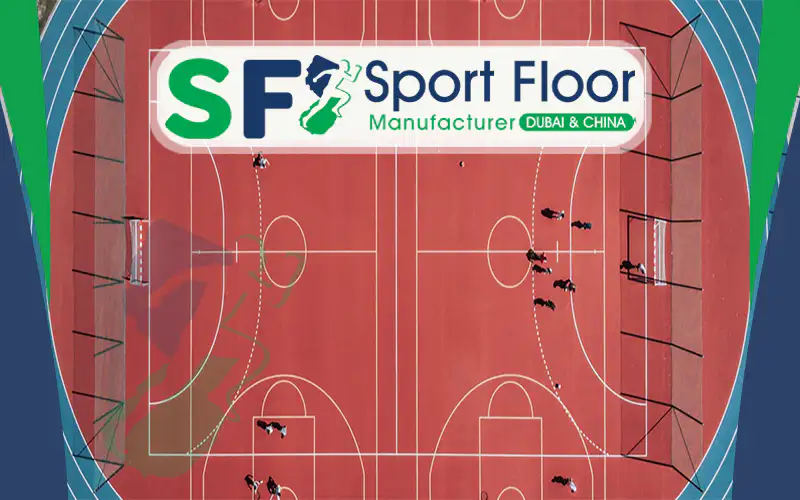
An acrylic sports court is a hard-court surface system installed over a properly prepared concrete or asphalt base. Its upper layers create the playing color, texture, traction and line markings required for the selected activity.
Acrylic is not one universal product or one fixed thickness. The complete installed system may include base repairs, primer, resurfacing compounds, texture coats, color coats, cushioning layers and line-marking materials.
The final result depends heavily on the condition of the supporting base. Acrylic coatings do not correct structural movement, major cracks, poor levels, trapped moisture or inadequate drainage.
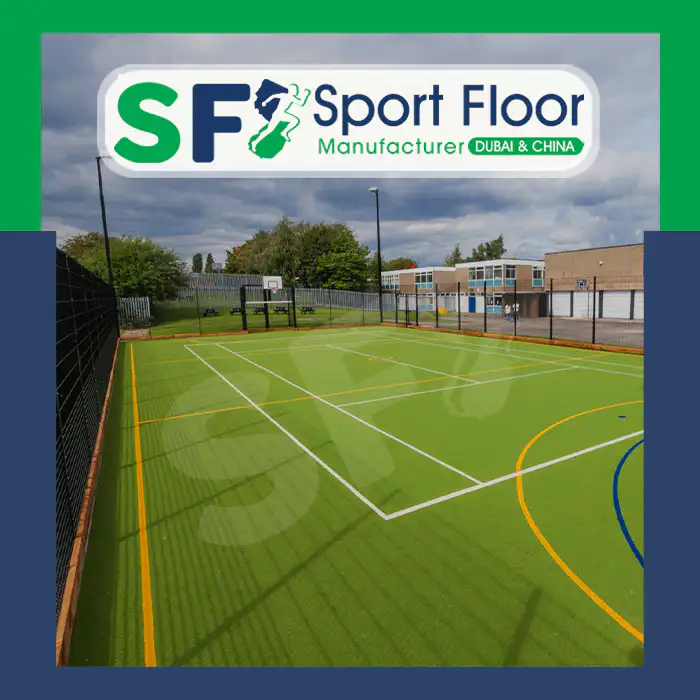
Hard-Court Surface
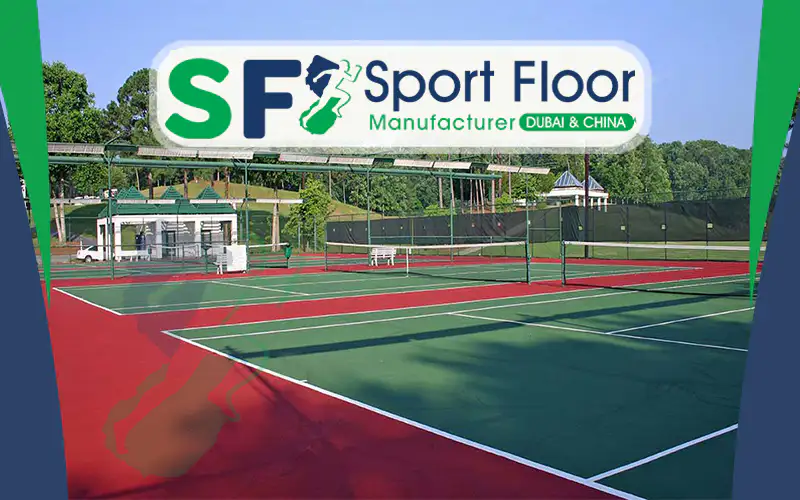
Acrylic systems provide a firm playing surface whose exact texture and pace depend on the complete approved build-up.
Color and Zoning
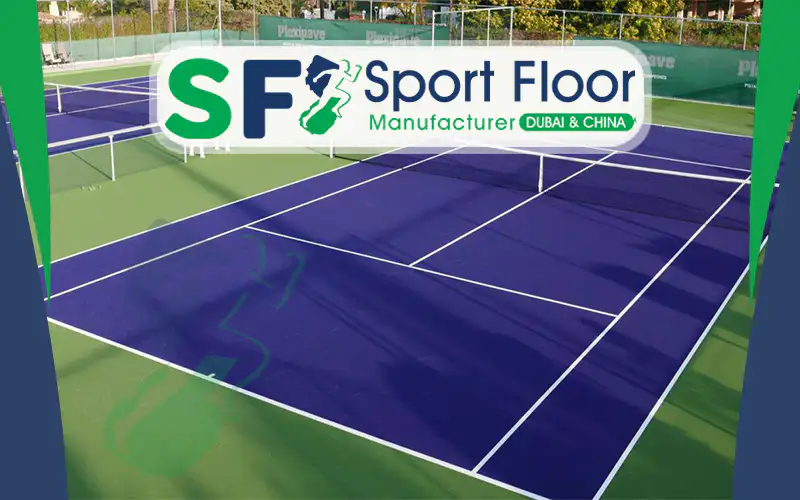
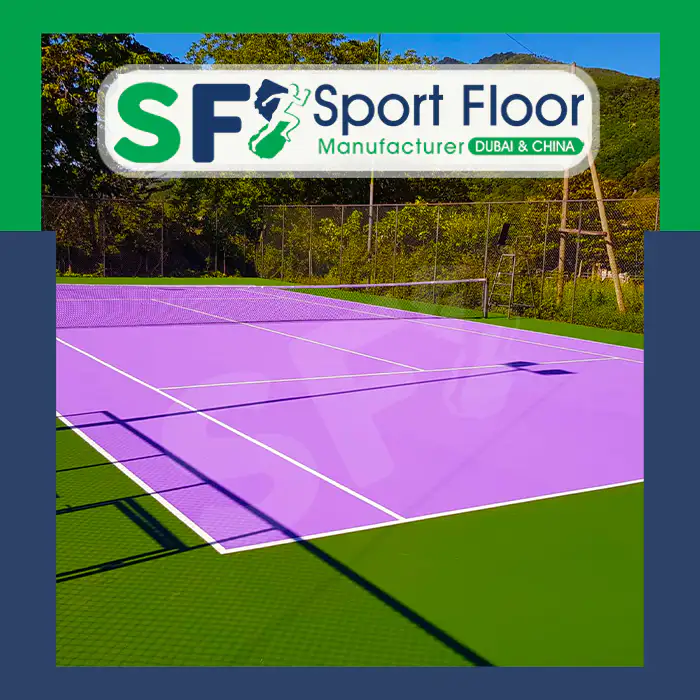
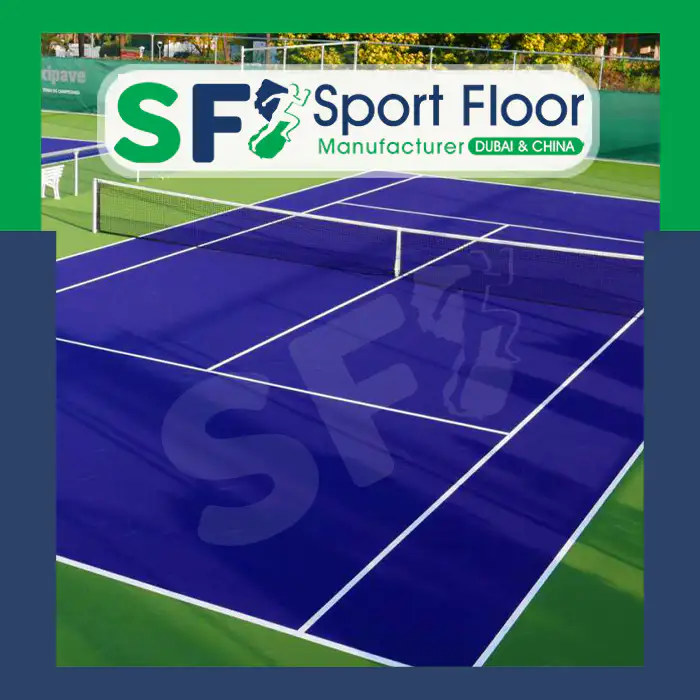
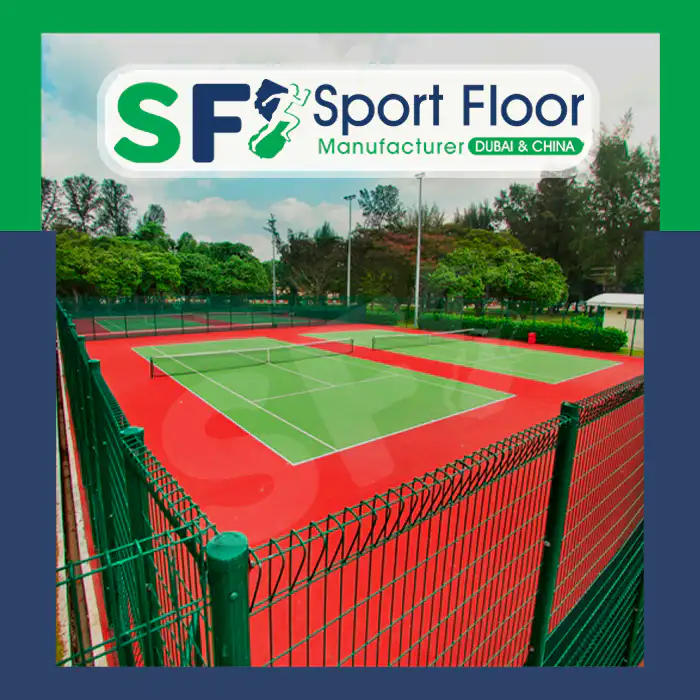
Court zones, surrounds and line markings can use contrasting colors according to the approved layout.
New or Existing Bases
Systems may be used for new construction or resurfacing after a detailed assessment of the existing substrate.
Project-Specific Build-Up
Standard and cushioned systems use different layers, quantities, application procedures and performance expectations.
Acrylic Court Systems for Different Sports and Facilities
The court must be designed around its primary sport, expected usage, official or recreational level, dimensions, equipment and line plan.
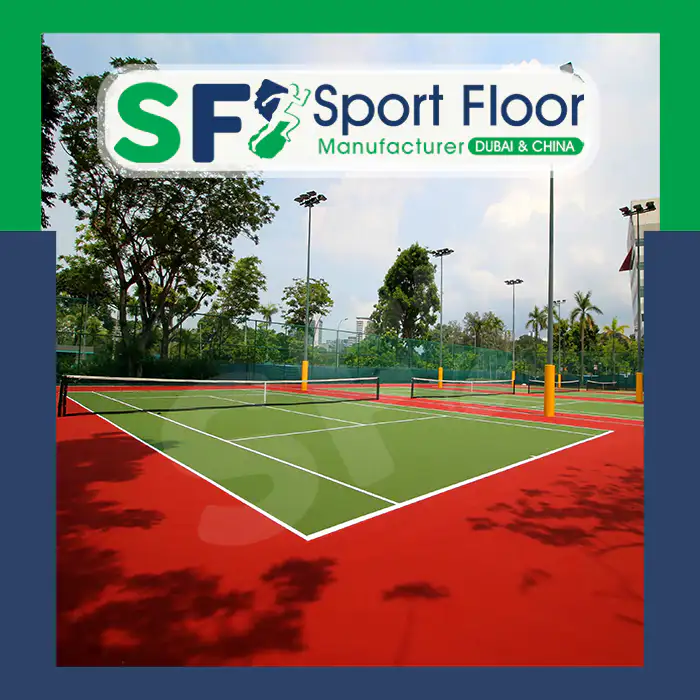
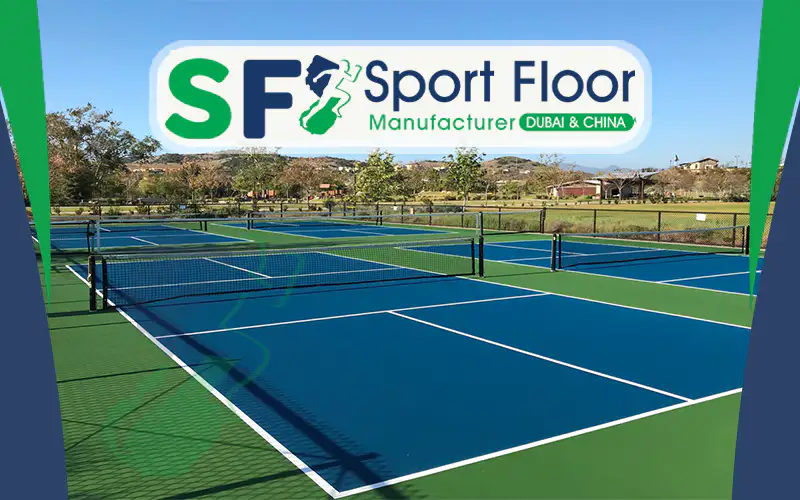
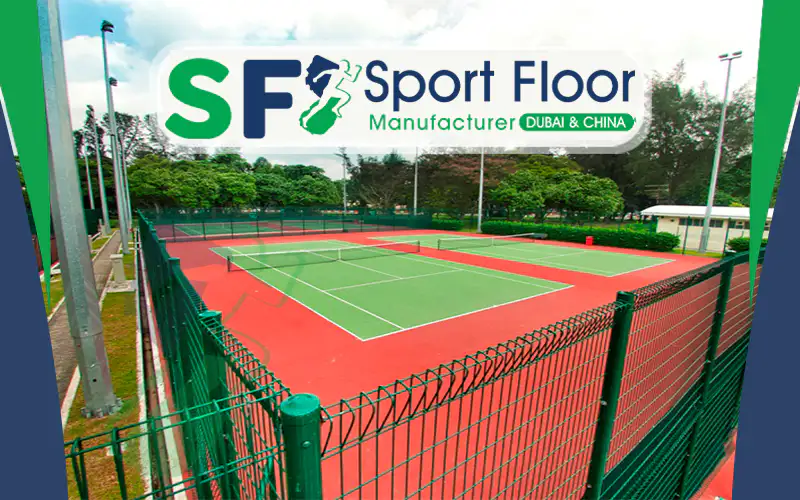
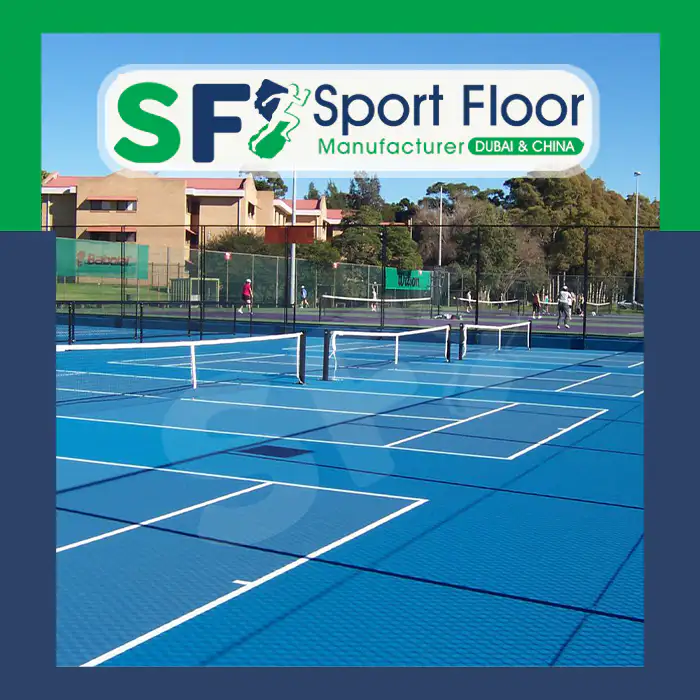
Acrylic Tennis Courts
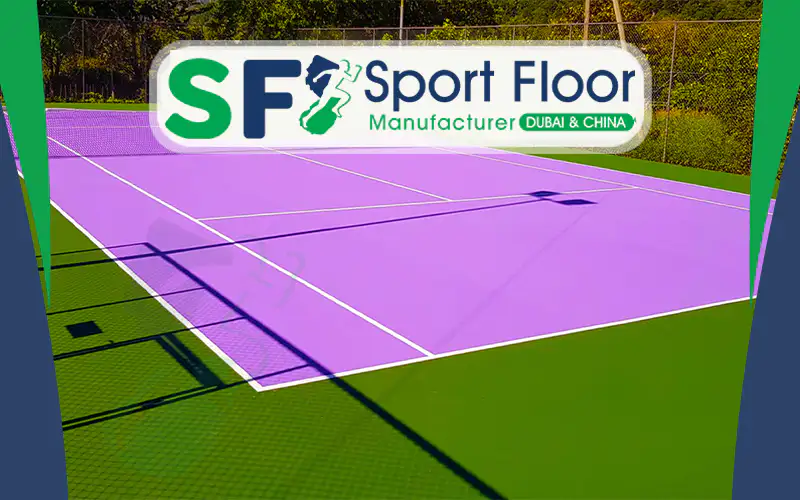
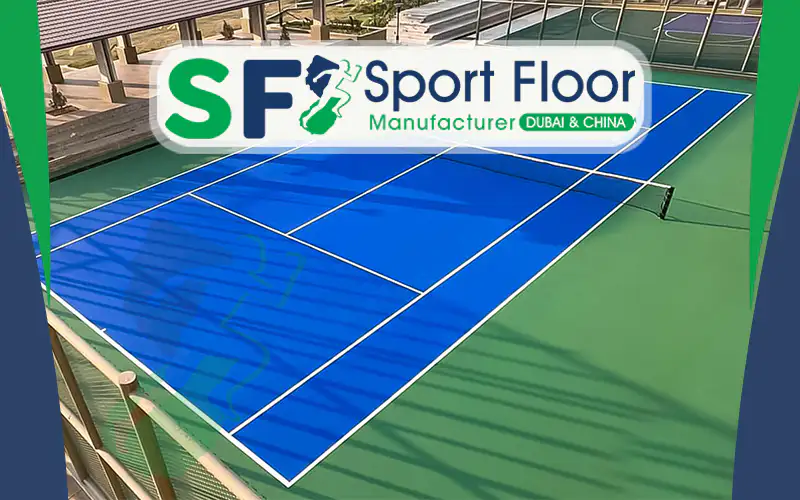
Hard-court tennis systems selected according to base condition, required texture, court pace objectives, color scheme and applicable testing requirements.
Explore acrylic tennis courts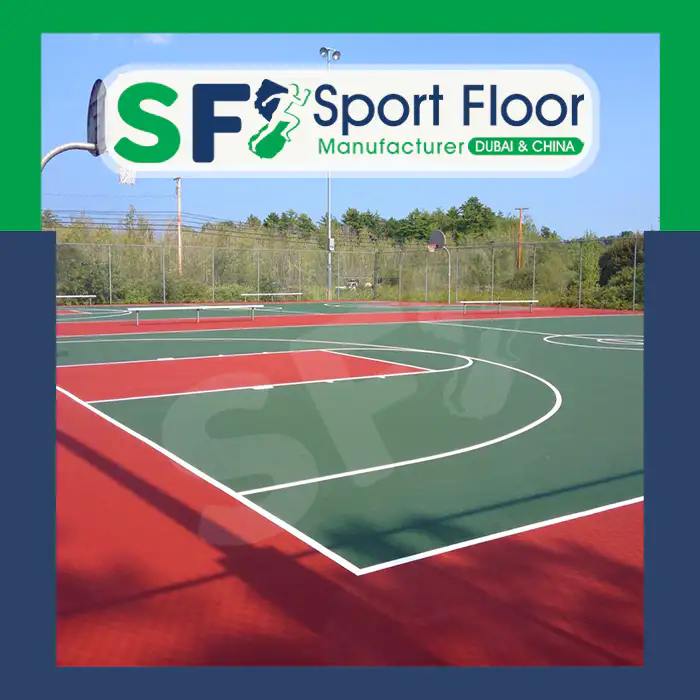
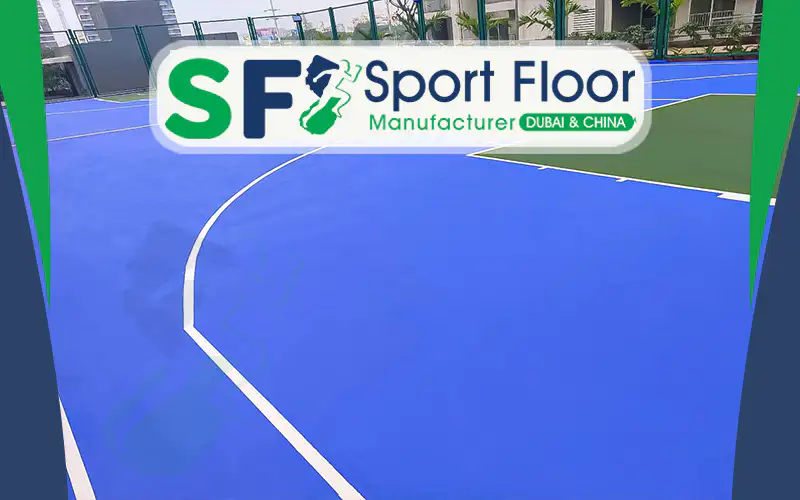
Acrylic Basketball Courts
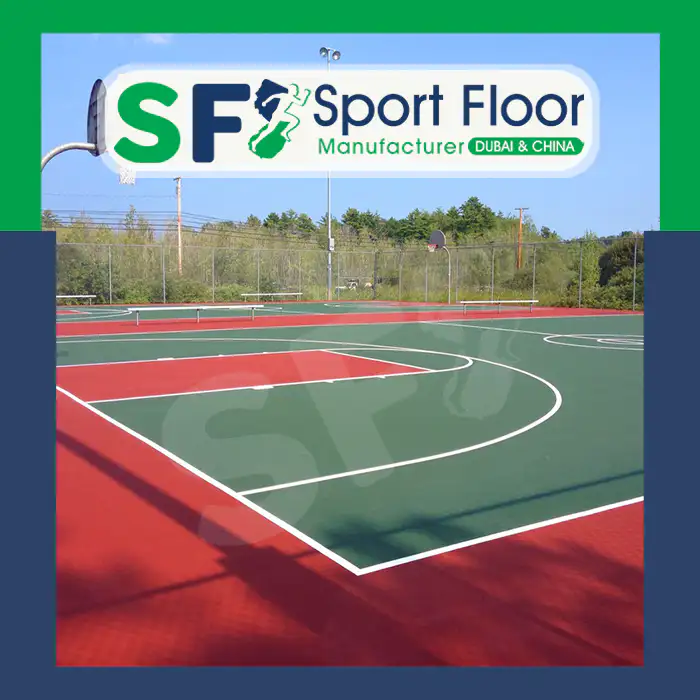
Hard-surface systems for schools, clubs and community courts, with basketball zoning, line accuracy, base flatness and drainage considered together.
Explore acrylic basketball courts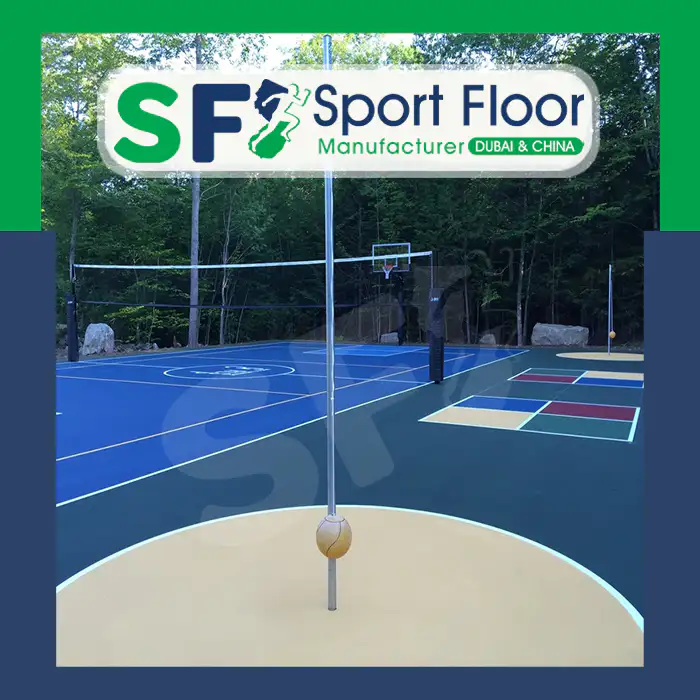
Acrylic Volleyball Courts
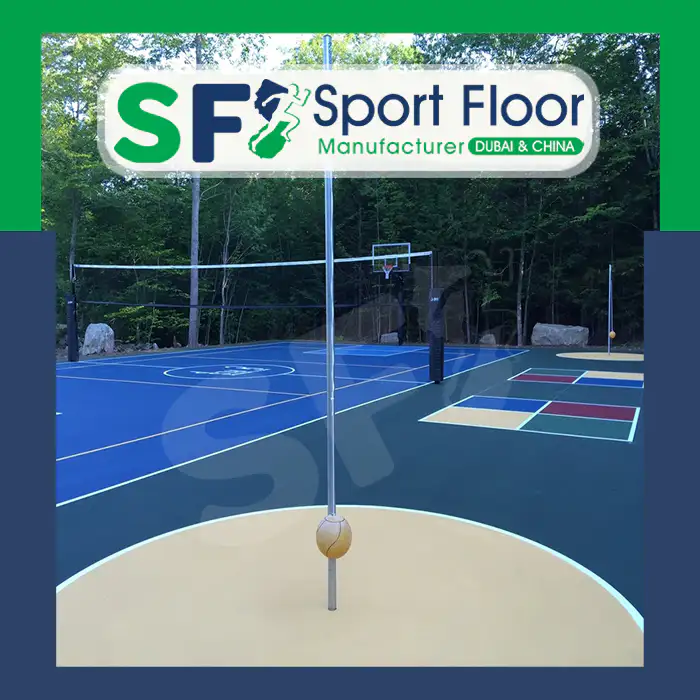
Court systems for school, club and recreational volleyball, coordinated with posts, sockets, net position, boundaries and surrounding clear space.
Explore acrylic volleyball courts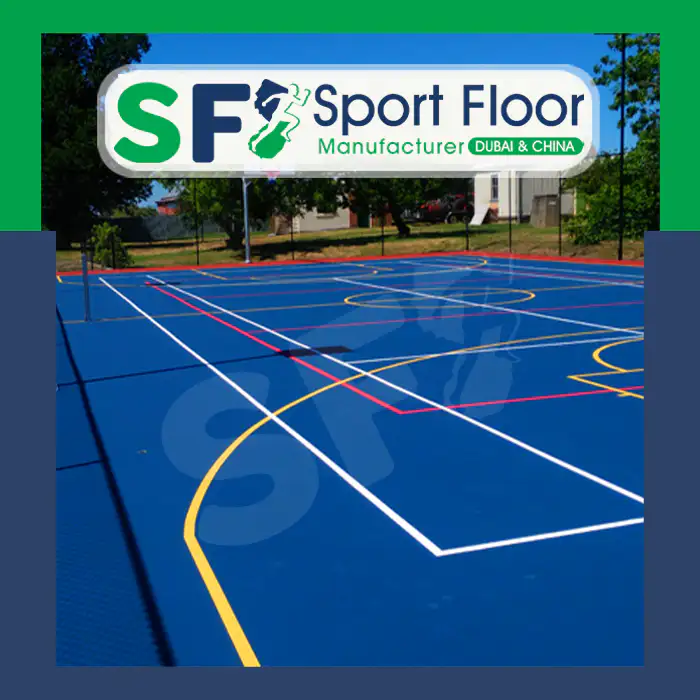
Acrylic Handball Courts
Hard-court systems for training, schools and community facilities, planned around handball dimensions, goals, lines and intensive movement zones.
Explore acrylic handball courts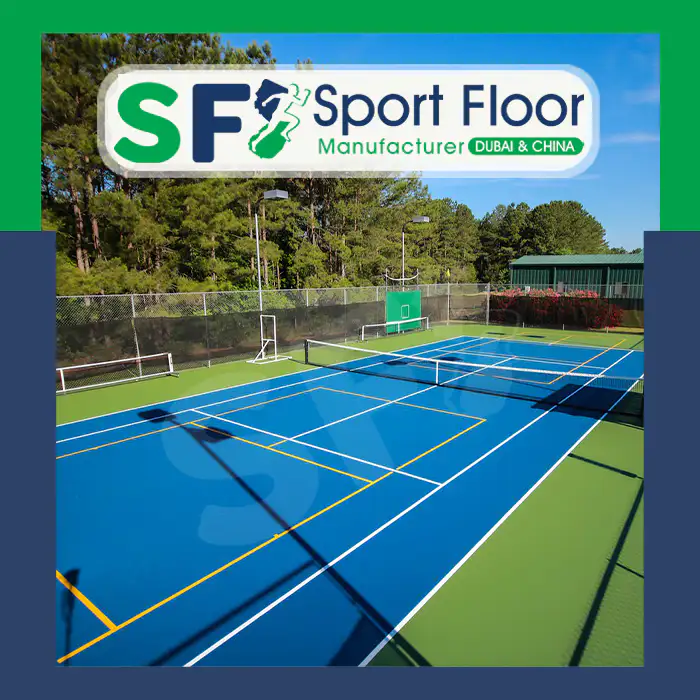
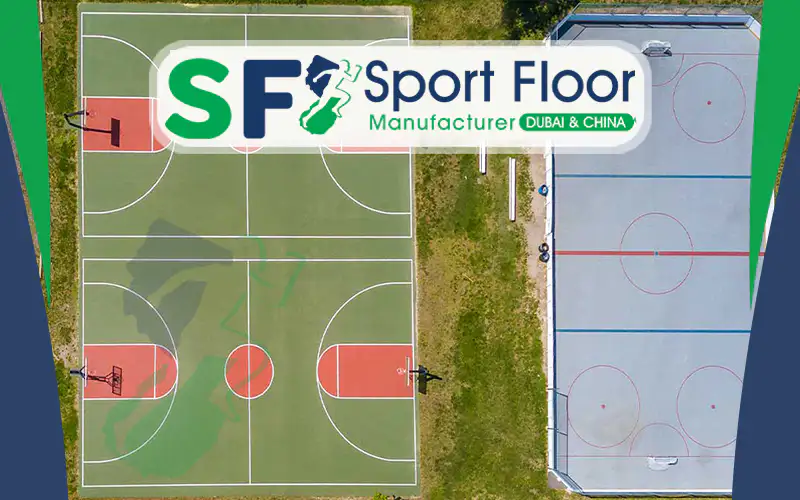
Multi-Sport Acrylic Courts
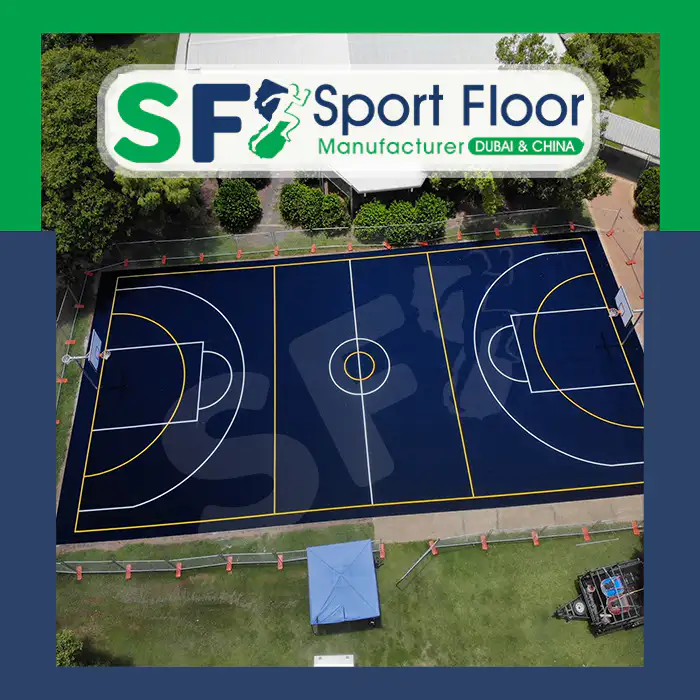
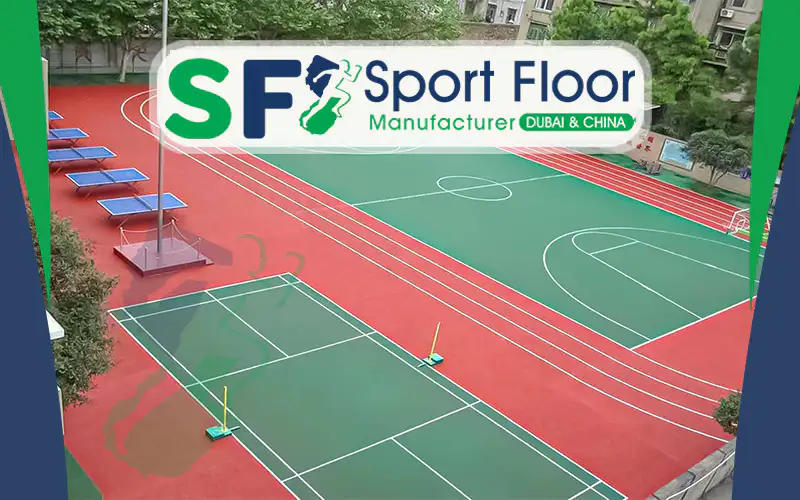
Shared courts designed around one priority sport and clearly differentiated secondary line markings for schools, clubs and residential facilities.
Explore multi-sport acrylic courts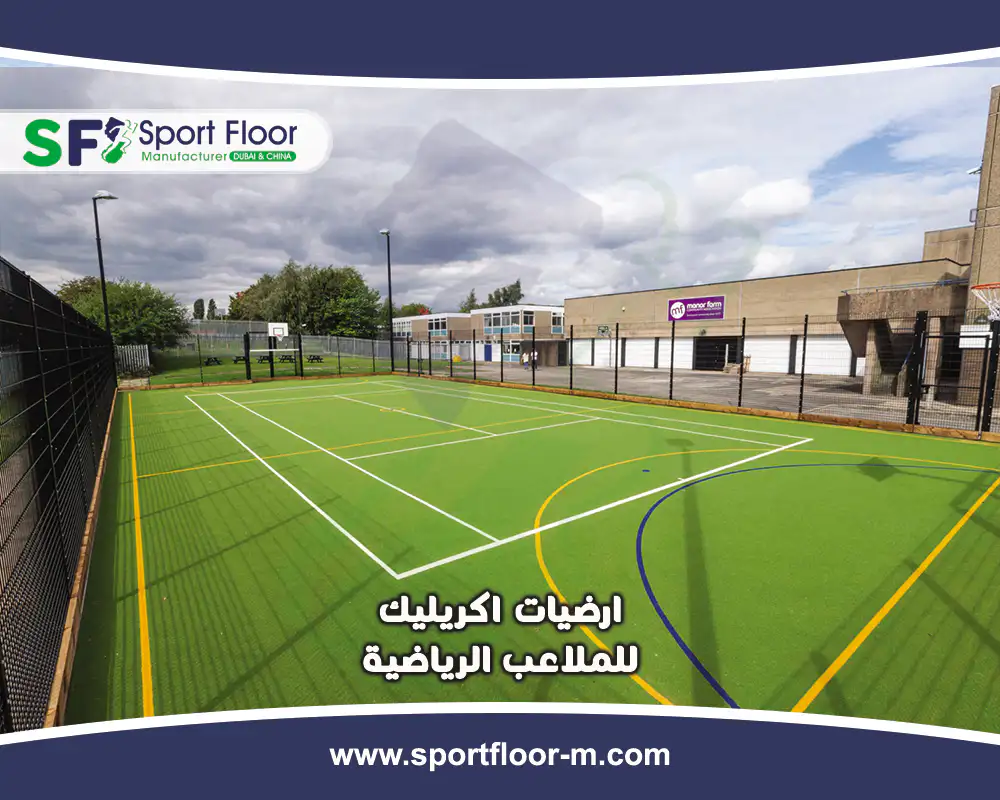
Acrylic Recreational Tracks
Hard acrylic paths or school activity tracks for recreational walking and running. Competition athletics tracks require a separately specified track system.
Explore acrylic running tracksStandard, Cushioned and Resurfacing Acrylic Systems
System names vary between suppliers. Approve the actual layer sequence, material references, coverage and application requirements rather than relying only on a commercial system name.
Standard Acrylic System
A hard-court build-up applied over a suitable concrete or asphalt base without a separate resilient cushioning layer.
- Base cleaning and repairs.
- Compatible primer where required.
- Resurfacing or leveling coats as specified.
- Textured acrylic coats.
- Color finish coats.
- Sport line marking.
Common for schools, community facilities and projects prioritising a firm surface and practical construction.
Cushioned Acrylic System
An acrylic court system incorporating one or more resilient layers below the upper texture and color coats.
- Prepared concrete or asphalt base.
- Compatible primer and leveling layers.
- Specified cushion layers.
- Textured acrylic surfacing.
- Color finish coats.
- Accurate line marking.
Selected where the project requires a softer underfoot response. Exact cushioning performance is system-dependent.
Acrylic Resurfacing System
A renovation build-up for an existing court after the substrate, cracks, drainage, adhesion and previous coatings have been assessed.
- Existing-surface inspection.
- Cleaning and removal of loose material.
- Crack and defect treatment.
- Local or general leveling.
- Compatible resurfacing coats.
- New colors and lines.
Resurfacing cannot permanently correct active structural movement or recurring moisture problems.
Main Layers of an Acrylic Sports Court
The final sequence depends on whether the base is concrete or asphalt, whether the project is new or existing, and whether the selected court is standard or cushioned.
Each material should be checked for compatibility with the substrate and the next layer. Mixing unrelated products without a reviewed system can create adhesion, drying, texture and color problems.
Concrete or Asphalt Base
Provides the structural support, levels, slopes and stability required by the court.
Repairs and Preparation
Treats suitable cracks, depressions, surface contamination and local irregularities.
Primer
Supports adhesion where required by the substrate and selected material system.
Resurfacing Layer
Helps create a more uniform receiving surface and may incorporate specified aggregate.
Cushion Layer
Optional resilient construction used only where included in the approved cushioned system.
Texture Coats
Build the intended surface profile through the specified acrylic material and aggregate arrangement.
Color Finish Coats
Create the final court zones, appearance and surface finish.
Line Marking
Defines the playing boundaries using the approved dimensions, widths and contrasting colors.
Acrylic Court Base Requirements
Most premature acrylic-surface problems originate from the substrate, water management or incompatible repairs rather than the color coat alone.
Structural Stability
The base must support the intended use without uncontrolled movement, settlement or loss of support.
Surface Flatness
Irregularities, depressions and high points should be identified and treated before acrylic application.
Drainage and Slope
Outdoor courts require a coordinated slope and drainage route that avoids localised water ponding.
Moisture Condition
The substrate should meet the selected system’s moisture and application requirements before coating.
Concrete Preparation
Concrete condition, curing, laitance, contamination, joints and previous treatments require review.
Asphalt Preparation
Asphalt must be stable, sufficiently cured and suitable for the selected acrylic build-up.
Crack Assessment
Determine whether cracks are inactive surface defects or evidence of continuing structural movement.
Existing Coatings
Check adhesion, compatibility and the need to remove weak or contaminated previous layers.
Weather Conditions
Temperature, humidity, wind, surface condition and expected rain influence application and curing.
Acrylic Court Specifications to Confirm
A comparable quotation requires the same court area, base scope, system build-up, colors, lines, materials and delivery responsibilities.
| Specification | What to Confirm | Why It Matters |
|---|---|---|
| Primary Sport | Tennis, basketball, volleyball, handball, multi-sport or recreational track. | Determines the dimensions, texture, lines and equipment interface. |
| Playing Level | Recreational, school, training, club or competition project. | Influences testing, documentation and surface requirements. |
| Indoor or Outdoor | Confirm exposure to sunlight, rain, humidity, dust and temperature. | Influences material selection, drainage and application planning. |
| Total Area | Playing zone, surrounds, run-off areas and any adjacent paths. | Required for material quantities and commercial comparison. |
| Base Type | Concrete, asphalt or existing coated surface. | Determines preparation, primer and repair requirements. |
| Base Condition | New, sound, cracked, uneven, contaminated or requiring renovation. | Base repairs may be a major part of the project scope. |
| System Type | Standard hard acrylic, cushioned acrylic or resurfacing system. | Different systems use different layers and material quantities. |
| Layer Build-Up | Identify each primer, repair, resurfacer, cushion, texture and finish coat. | Prevents comparison of incomplete or different systems. |
| Material References | Confirm the exact products included in the offered system. | Links technical data and safety information to the quotation. |
| Coverage | Declared or estimated consumption for each layer. | Determines required packaging and total supplied quantity. |
| Aggregate | Confirm grading, addition rate and whether it is factory-mixed or site-added. | Influences texture, application and court response. |
| Cushion Construction | Confirm the resilient material, number of layers and application method. | Cushion performance cannot be inferred from the word cushioned alone. |
| Colors | Playing zone, surround, key areas, logos and other approved zones. | Different colors affect ordering and application sequencing. |
| Line Plan | Sports, dimensions, line widths and color assigned to each activity. | Prevents confusion and rework after surfacing. |
| Equipment Interfaces | Goals, nets, sleeves, posts, backboards, fencing and access gates. | Equipment installation should be coordinated before final coating. |
| Testing | State any required product, surface or completed-court testing. | Testing is not automatically included in a standard material quotation. |
| Documents | TDS, SDS, method statement, samples and applicable test reports. | Document availability should be confirmed for the exact system. |
| Delivery Basis | Materials only, installation, supervision and selected Incoterms® rule. | Defines the technical and commercial responsibilities included. |
Acrylic Court Installation and Resurfacing Sequence
Follow the approved material data, method statement, environmental limits, coat sequence and curing requirements for the exact system.
Survey the Court
Confirm dimensions, levels, drainage, access, base condition, equipment and surrounding areas.
Test and Inspect the Base
Review structural condition, moisture, adhesion, cracks, contamination and previous coatings.
Clean the Substrate
Remove loose material, dust, oils, algae and contaminants using suitable preparation methods.
Complete Repairs
Treat approved cracks, depressions and surface defects using compatible repair materials.
Apply Primer
Use the compatible primer where required for the substrate and selected acrylic system.
Apply Resurfacing Layers
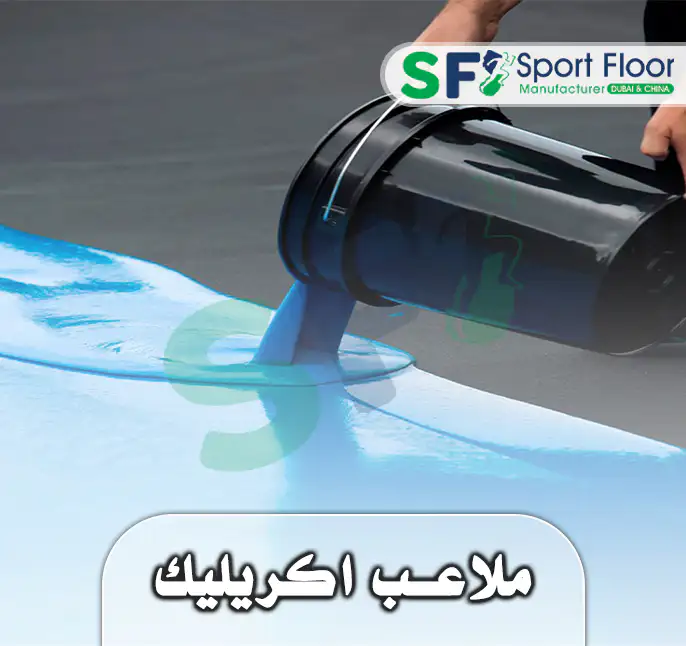
Build the approved leveling and texture base while respecting coverage and drying requirements.
Install Cushion Layers
Apply the specified resilient construction where included in the selected system.
Apply Texture Coats
Establish the required surface profile using the approved aggregate and material sequence.
Apply Color Coats
Complete each approved playing and surround zone with consistent application and curing.
Mark Court Lines
Set out and apply accurate line dimensions, widths and contrasting colors.
Inspect the Surface
Review finish consistency, lines, drainage, local defects and completion of the agreed scope.
Cure and Handover
Prevent use until the completed system satisfies its required curing and handover conditions.
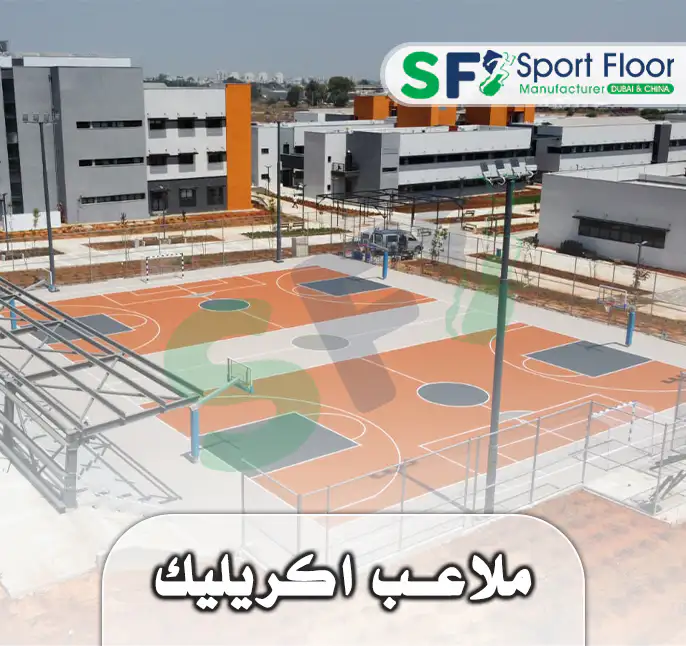
Acrylic Court Colors, Zones and Line Markings
The line plan should be completed before material ordering and surface application, particularly for multi-sport courts.
Maintaining and Resurfacing an Acrylic Court
Acrylic courts require routine cleaning, inspection and timely repairs. Maintenance frequency depends on traffic, climate, drainage, surrounding trees, dust, footwear and the quality of the supporting base.
- Remove leaves, dust, sand and loose debris.
- Use cleaning methods compatible with the exact coating.
- Keep drains, outlets and court edges clear.
- Inspect cracks, blisters, peeling and local wear.
- Check line visibility and local paint loss.
- Prevent vehicles and unsuitable equipment from entering.
- Control sharp objects and unauthorised footwear.
- Treat algae or contamination using approved methods.
- Record defects and repairs before they expand.
- Plan resurfacing after condition assessment.
Information Required for an Acrylic Court Quotation
Complete project information reduces revisions and allows technical and commercial offers to be compared on the same basis.
Identify the Sport
State the primary sport, secondary activities and intended playing level.
Provide the Area
Send court dimensions, total square metres, drawings and surrounding zones.
Describe the Base
Confirm concrete, asphalt or existing coating and provide current photographs.
State the Base Condition
Identify cracks, depressions, water ponding, peeling or previous repairs.
Select the System
Confirm standard, cushioned or resurfacing acrylic where already specified.
Confirm Colors and Lines
Provide playing-zone colors, surrounds, logos and line-marking plan.
Define the Scope
State materials only, installation, supervision, testing or turnkey execution.
Provide the Destination
Include city, country or port and the preferred delivery basis.
Verify Sport, Surface and Delivery Requirements
Continue Planning Your Sports Court
Acrylic Courts FAQ
What is an acrylic sports court?
It is a hard-court surfacing system applied over a suitable concrete or asphalt base. The complete system may include repairs, primer, resurfacing, cushion, texture, color and line materials.
Which sports can use acrylic courts?
Acrylic systems are commonly considered for tennis, basketball, volleyball, handball, schools and multi-sport facilities. The court must still be specified for its primary activity and level of use.
What is the difference between standard and cushioned acrylic?
Standard acrylic is a firm hard-court build-up without a separate resilient layer. Cushioned acrylic incorporates specified resilient layers below the upper surfacing coats.
Does every acrylic court include a shock-absorbing layer?
No. A cushioning layer is included only when it forms part of the approved system. Standard acrylic courts are generally firm hard-court surfaces.
Can acrylic be installed over concrete?
Yes, when the concrete is structurally suitable, sufficiently prepared and compatible with the selected primer and system. Moisture, curing, joints and contamination must be reviewed.
Can acrylic be installed over asphalt?
Yes, when the asphalt is stable, properly prepared and suitable for the selected acrylic build-up. Its age, condition, levels and movement require assessment.
Can an old acrylic court be resurfaced?
It may be resurfaced after inspecting adhesion, cracks, levels, drainage, contamination and compatibility with the proposed materials.
Will acrylic coating repair structural cracks?
No. Surface repairs may treat suitable inactive defects, but acrylic coating does not stop structural movement or settlement.
Is an acrylic court waterproof?
Do not treat the court coating as a substitute for the complete drainage and waterproofing design. Water management depends on the base, slopes, joints, drainage and exact system.
Can acrylic courts be used outdoors?
Yes, when the exact materials and complete construction are specified for outdoor exposure and applied under suitable site conditions.
Can acrylic courts be used indoors?
Project-dependent acrylic systems may be considered indoors, but substrate moisture, ventilation, material suitability, glare, cleaning and the sport’s requirements must be reviewed.
Are all acrylic tennis courts ITF-certified?
No. Recognition or classification depends on the applicable product or completed-court testing process. A generic acrylic description is not proof of ITF recognition.
Are all acrylic basketball courts FIBA-approved?
No. FIBA approval applies through defined programmes and requirements. Verify the exact product, court level, equipment and documentation required by the project.
How long does an acrylic court last?
Service life depends on the base, system, materials, climate, usage, drainage, installation and maintenance. Request warranty conditions for the exact offered materials and scope.
How often does an acrylic court need resurfacing?
There is no universal interval. Resurfacing should be based on adhesion, wear, texture, cracks, color, line condition and the court’s operational requirements.
How is acrylic court pricing calculated?
Pricing depends on total area, base repairs, system type, number of layers, material consumption, colors, lines, installation, testing, destination and delivery scope.
What information is required for a quotation?
Provide the sport, dimensions, total area, indoor or outdoor use, base type and condition, system preference, colors, lines, scope, destination and required documentation.