Artificial Grass for Gardens, Sports Fields and Commercial Projects
Explore artificial grass solutions for landscaping, football, padel, golf, playgrounds and multi-sport facilities. Select the correct turf by application, pile height, yarn construction, density, backing, drainage and complete installation requirements.
What Is Artificial Grass?
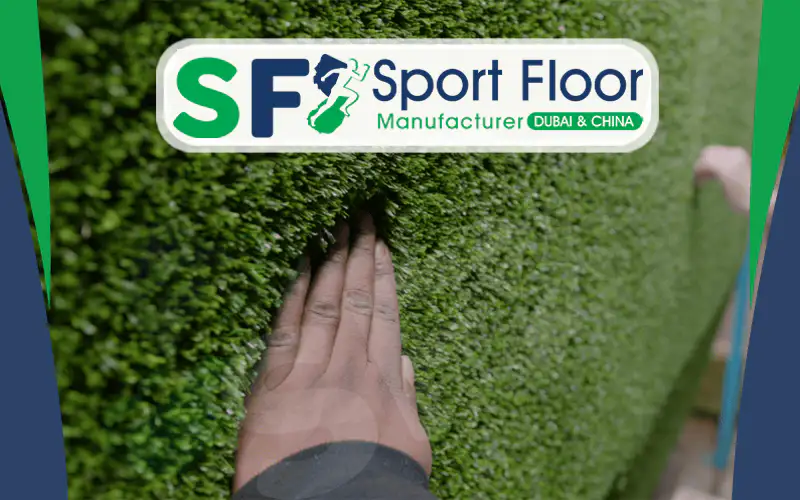
Artificial grass is a manufactured surface composed of synthetic yarns tufted into a reinforced backing. Depending on the intended use, the turf may be designed for a natural landscape appearance, controlled ball behavior, high-frequency sports use, short-pile court performance or multipurpose recreational areas.
The correct product cannot be selected from pile height alone. Buyers should also compare the yarn type and shape, dtex, stitch rate, gauge, total density, primary and secondary backing, drainage design, roll dimensions and any required infill or shock-absorbing layer.
Landscaping and sports turf serve different purposes. A soft, dense product that looks suitable in a garden may not provide the ball response, traction or system stability required for a sports field. Each project should therefore begin by defining its application and performance requirements.
Application-Based Selection
Garden, football, padel, golf and playground products require different constructions and performance priorities.
Specification Control
Compare pile height, density, yarn, backing, drainage and roll dimensions rather than comparing appearance alone.
System Compatibility
The turf must be coordinated with the prepared base, joints, adhesive, infill and shock pad where required.
Export Planning
Accurate quotations require the total area, roll plan, destination, packing requirements and agreed delivery term.
Artificial Grass Solutions for Different Projects
Each application places different demands on the yarn, pile height, backing, drainage, infill and completed installation system.
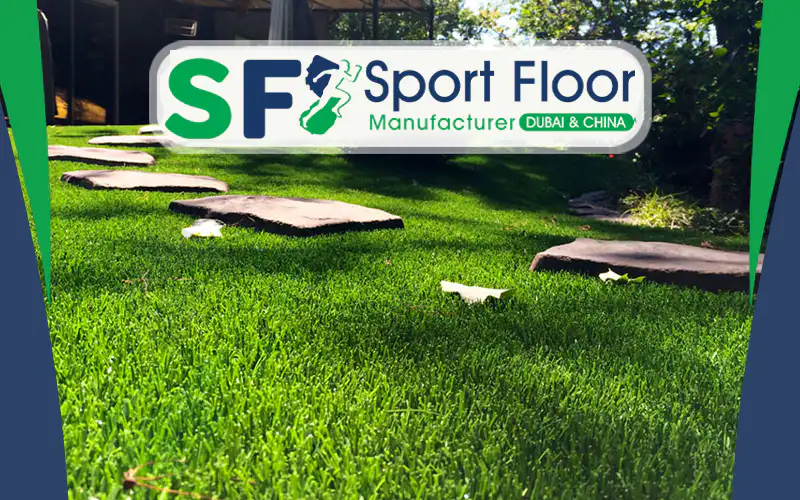
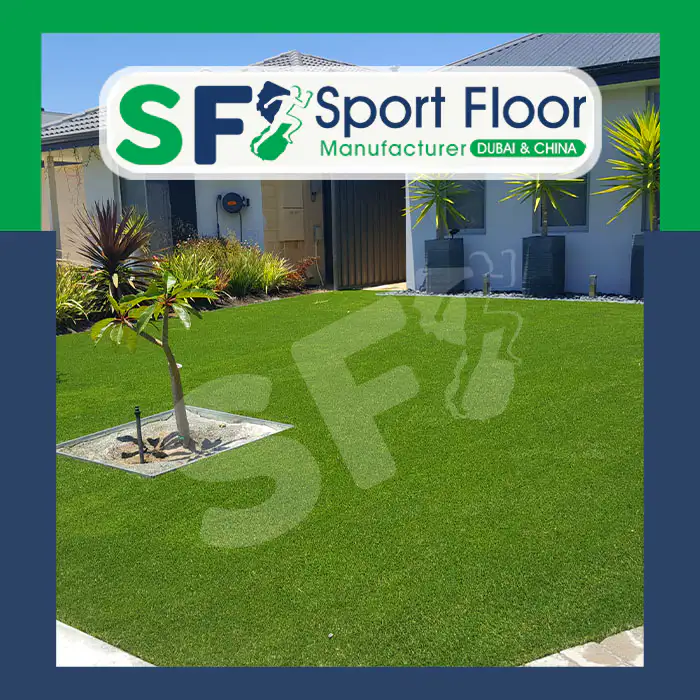
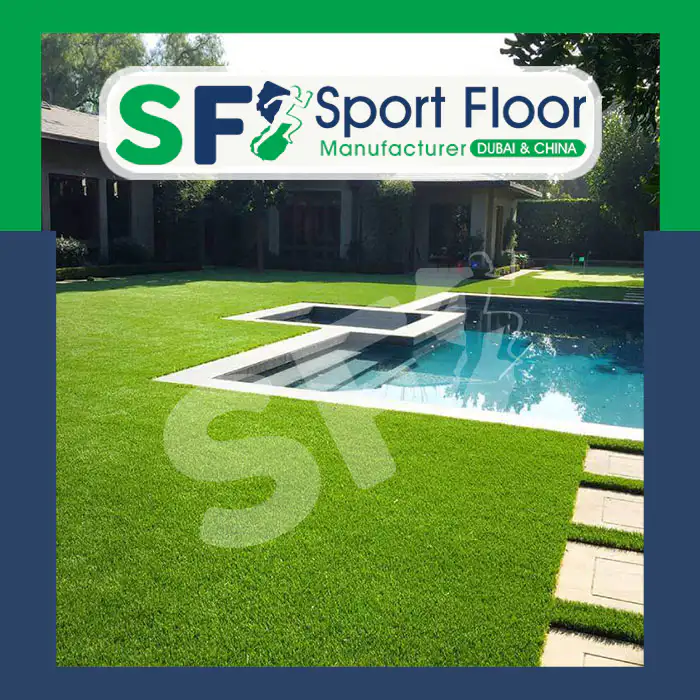
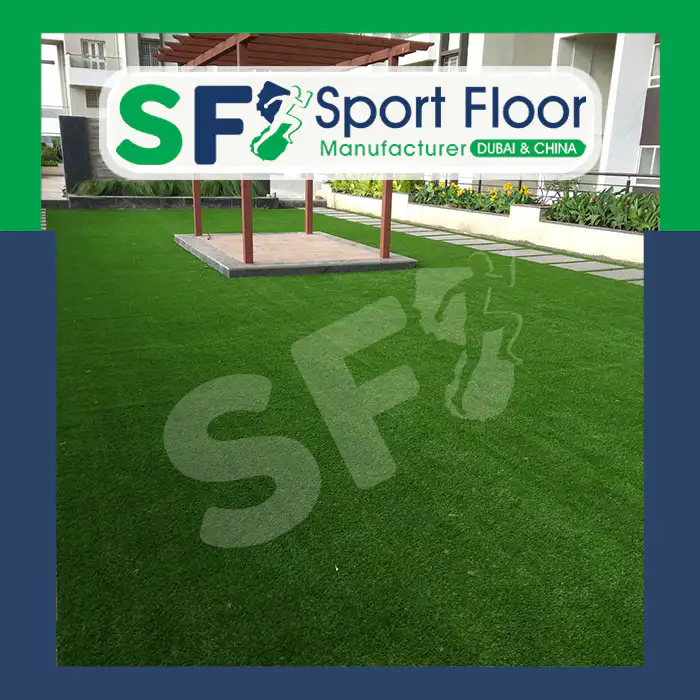
Artificial Grass for Gardens
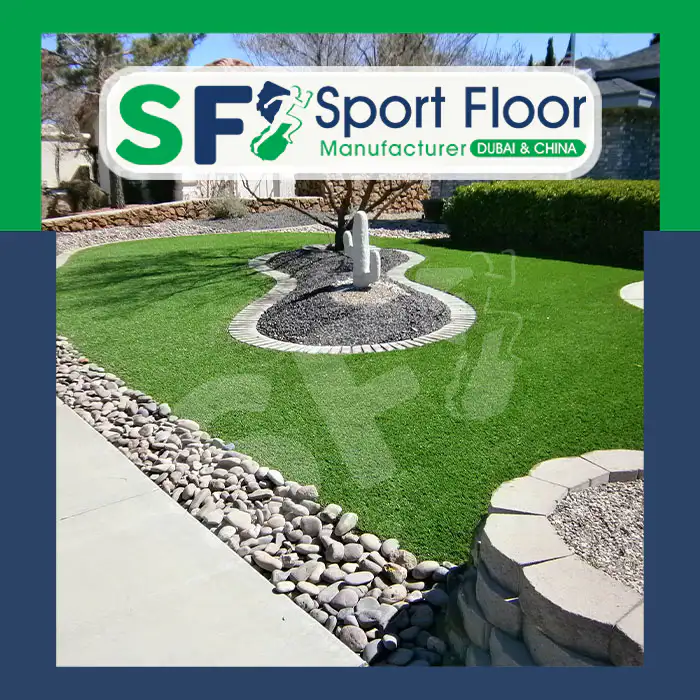
Landscaping turf for gardens, villas, rooftops, balconies, hotels and commercial outdoor areas. Selection focuses on natural appearance, softness, density, drainage and maintenance.
Explore garden artificial grass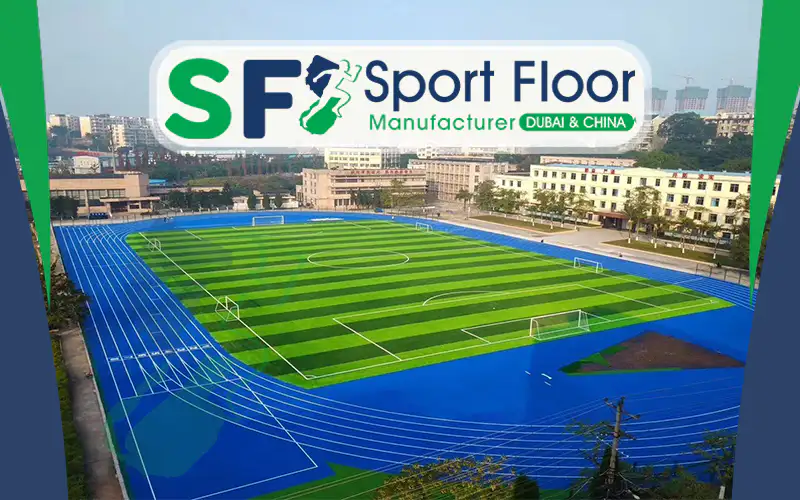
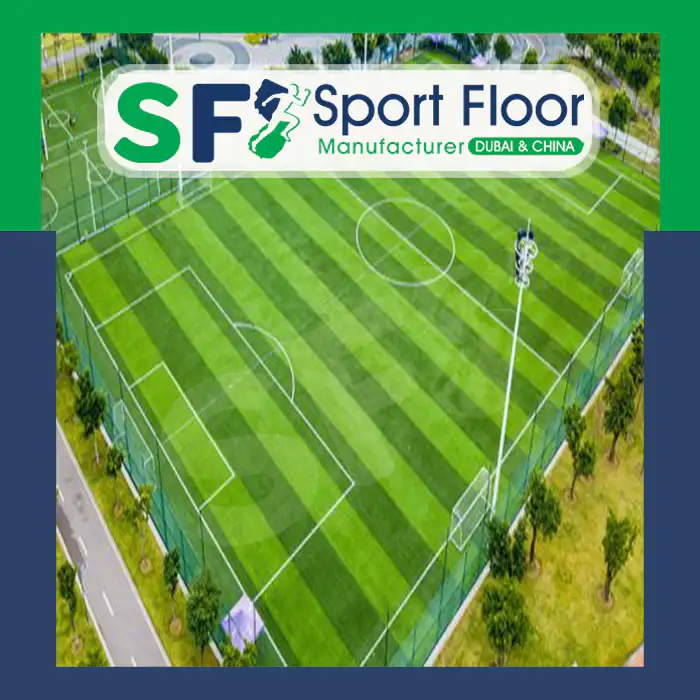
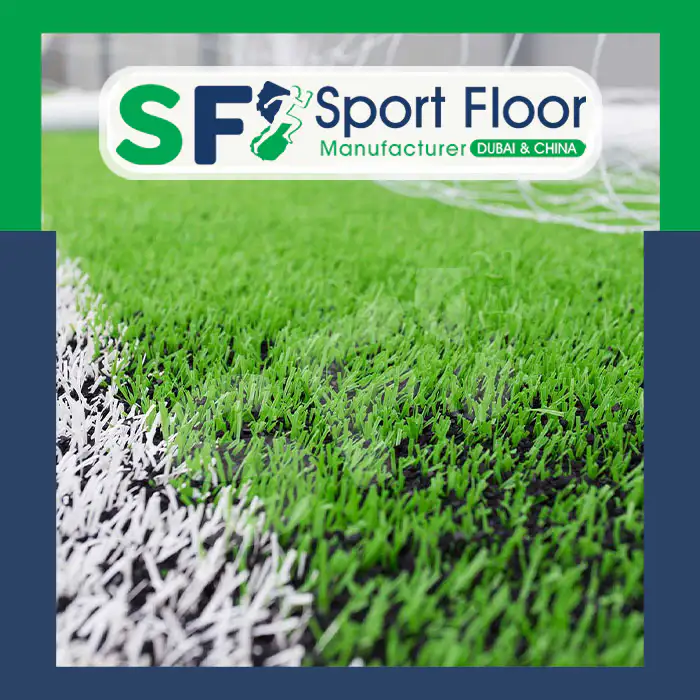
Artificial Grass for Football
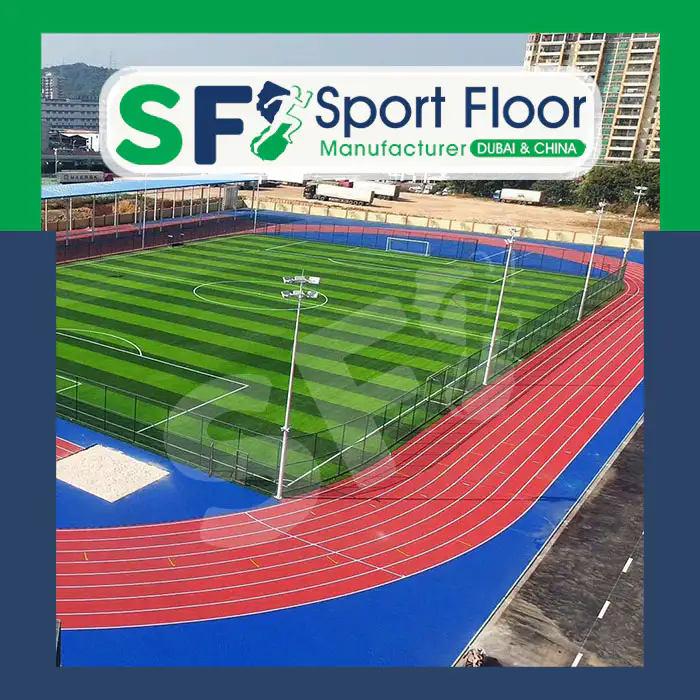
Football turf must be selected as part of a complete pitch system that considers player interaction, ball behavior, infill, shock absorption, drainage and planned maintenance.
Explore football artificial grass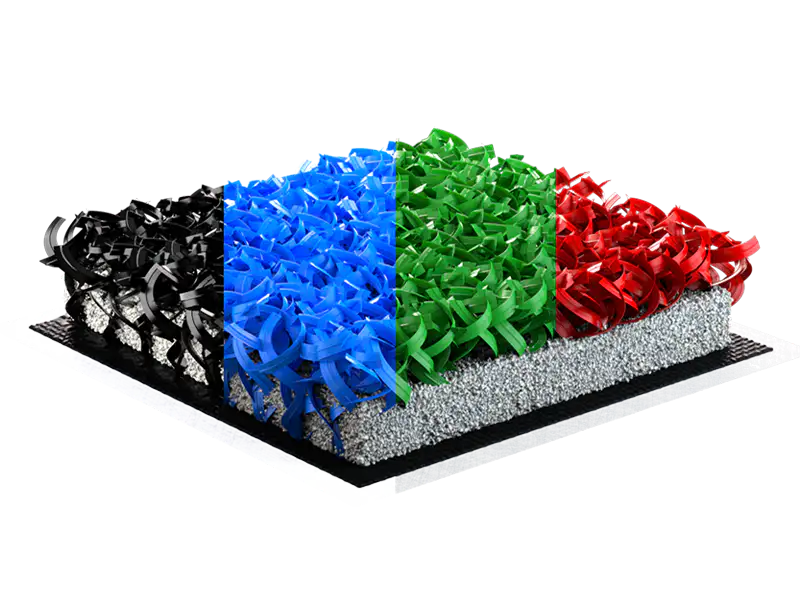
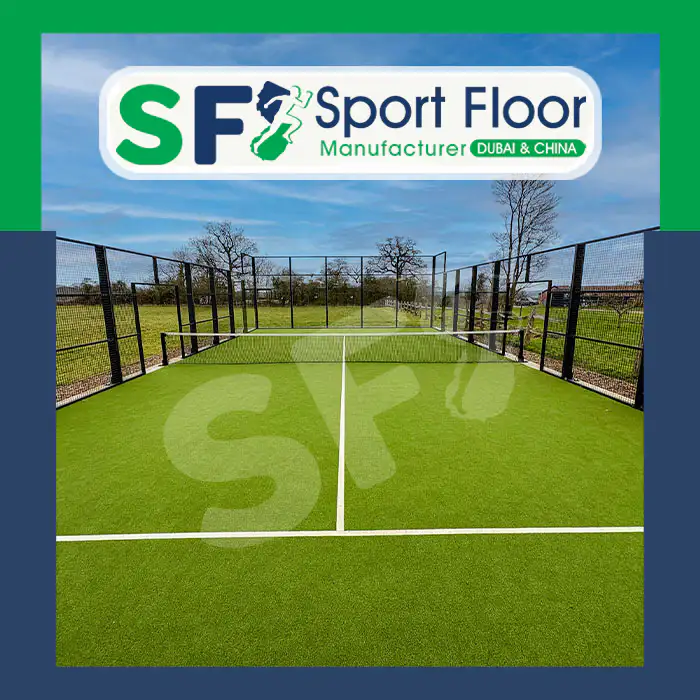
Artificial Grass for Padel
Short-pile padel turf is selected according to court use, fiber construction, sand requirements, surface uniformity, ball response, traction and maintenance planning.
Explore padel artificial grass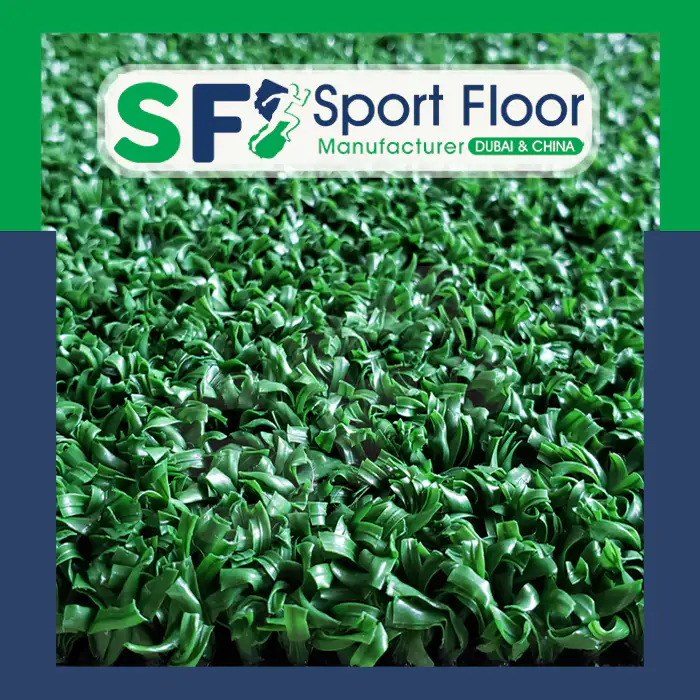
Artificial Grass for Golf
Golf turf may be configured for putting greens, practice areas, surrounds or landscaping. Surface speed, direction, density and base preparation must match the intended use.
Explore golf artificial grass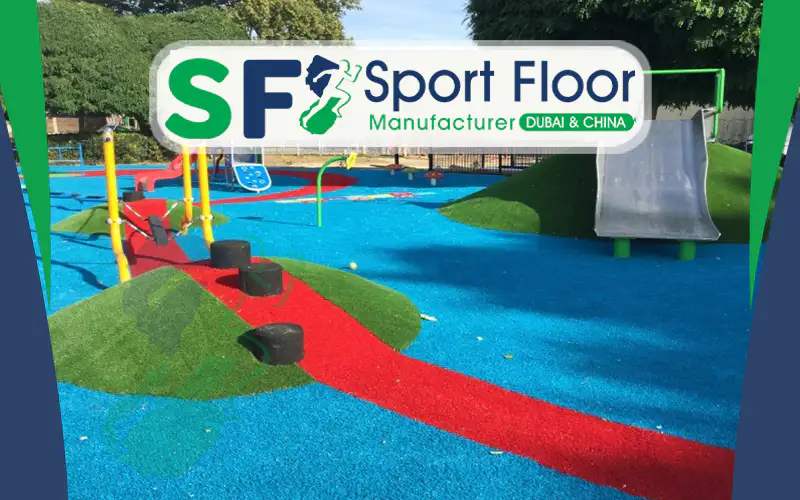
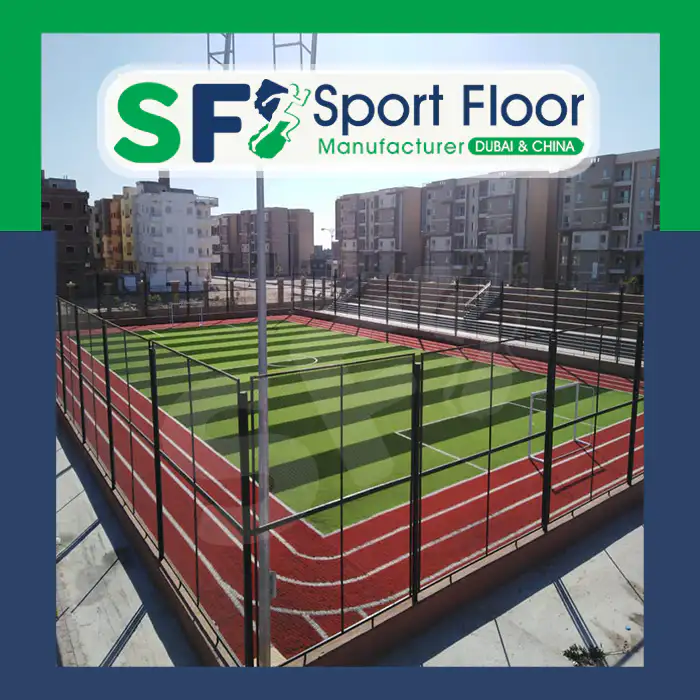
Multi-Sport Artificial Grass
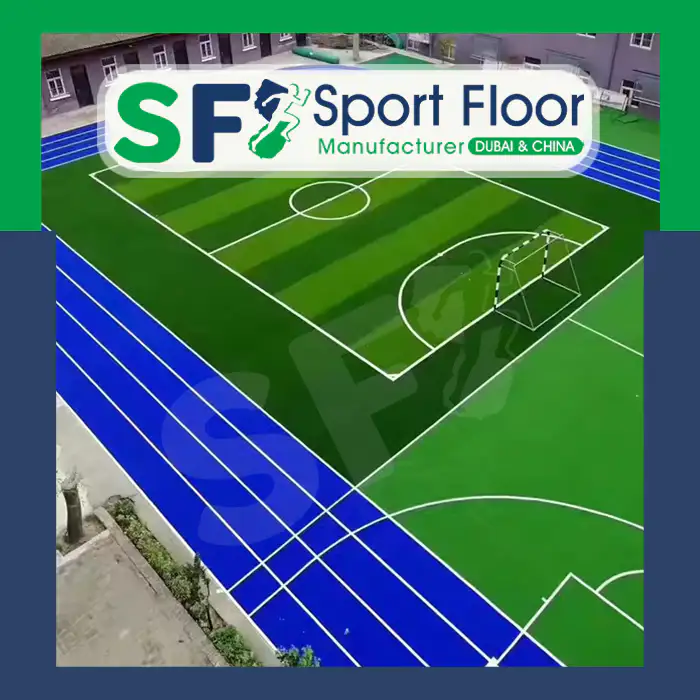
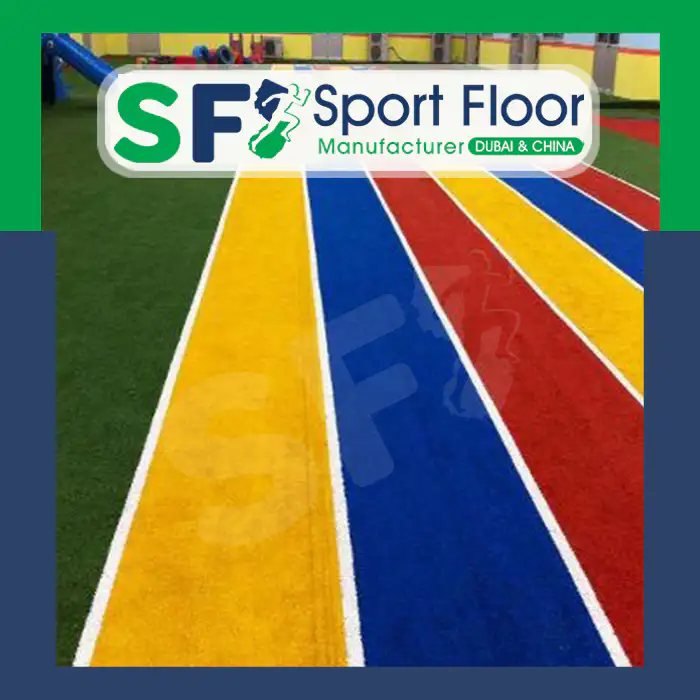
Multipurpose turf supports schools, clubs, residential communities and recreational facilities where one surface is planned for several activities.
Explore multi-sport artificial grass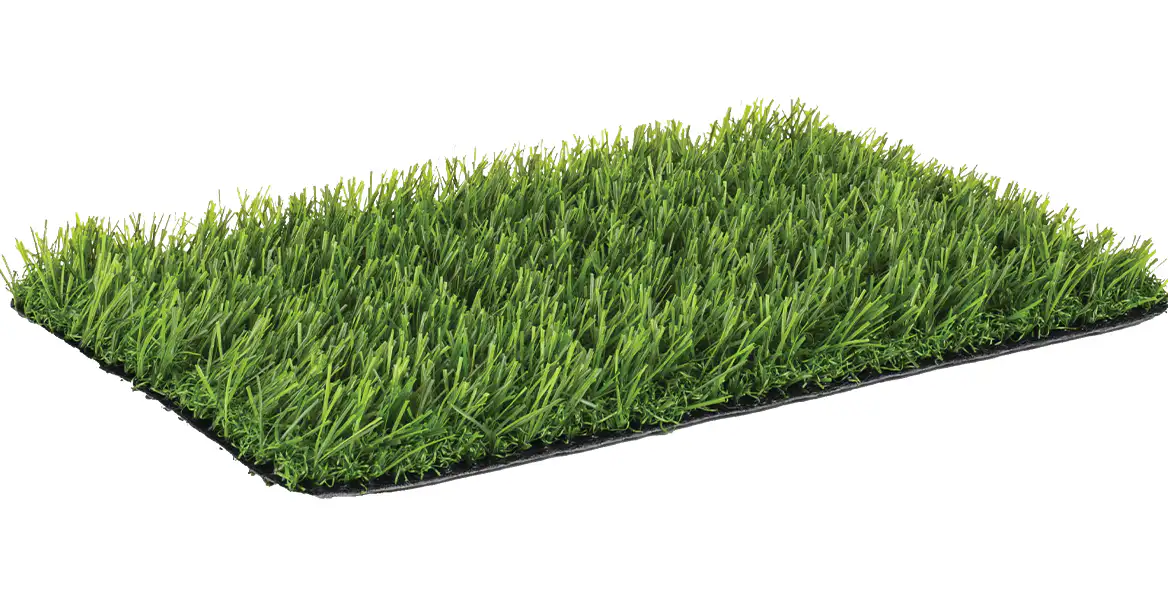
Artificial Grass for Playgrounds
Playground suitability depends on the entire installed system, including the base, drainage and any required shock-absorbing layer. Turf appearance alone does not establish impact safety.
Explore playground artificial grassArtificial Grass from 2 cm to 5 cm
Pile height describes the visible yarn length, but it does not determine overall quality by itself. Density, yarn weight, blade shape, backing and intended use must also be reviewed.
Compact Artificial Grass
A shorter and easier-to-clean profile for selected balconies, decorative areas, exhibitions and low-pile landscaping projects.
View 2 cm artificial grassBalanced Landscape Turf
A balanced visual profile for many residential gardens, rooftops and commercial landscaping projects, subject to density and yarn specification.
View 3 cm artificial grassFuller Garden Appearance
A taller landscape option for projects seeking a fuller visual appearance and softer surface feel where the selected model is suitable.
View 4 cm artificial grassLong-Pile Artificial Grass
A long-pile option for selected premium landscaping or sports specifications. The correct use depends on yarn, density, infill and maintenance.
View 5 cm artificial grassArtificial Grass Specifications Buyers Should Compare
The exact offered values should appear in the product data sheet, quotation, approved sample and purchase documents.
| Specification | What It Describes | Why It Matters |
|---|---|---|
| Application | Garden, football, padel, golf, playground or multi-sport use. | Determines the appropriate product construction and installation system. |
| Pile Height | The visible length of the synthetic yarn above the backing. | Influences appearance and system behavior but must be reviewed with density and yarn type. |
| Yarn Material | Common product constructions use polyethylene or polypropylene yarns depending on the model. | Influences softness, resilience, wear behavior and intended application. |
| Yarn Shape | Monofilament, fibrillated or shaped blade profiles according to the product design. | Affects blade recovery, appearance, infill interaction and wear characteristics. |
| Dtex | A measurement related to yarn mass over a defined length. | Helps compare yarn construction but should not be evaluated independently from density and blade design. |
| Gauge and Stitch Rate | The spacing between tufting rows and the number of stitches along the roll. | Contributes to total turf density, visual coverage and product construction. |
| Total Density | The number and arrangement of stitches or tufts within a square meter. | Influences appearance, fiber distribution and use-specific performance. |
| Backing | The primary fabric and secondary coating that hold the yarns in place. | Supports dimensional stability, tuft retention and installation quality. |
| Drainage | Perforations or a product-specific drainage construction. | Must be coordinated with the base slope and drainage design of the complete project. |
| Roll Dimensions | Roll width and length available for the selected product. | Affects cutting plans, seams, waste, packing and container loading. |
| Infill Requirements | Sand, rubber or another project-specific infill where required. | Influences fiber support, system stability and sports performance. |
| Documentation | Product data, safety information, testing and packing details applicable to the offered model. | Provides a documented basis for technical approval and procurement. |
The Main Components of Artificial Grass
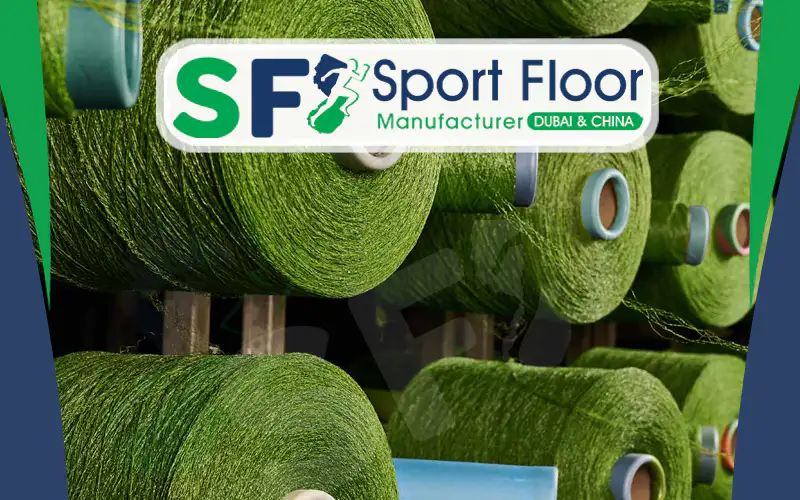
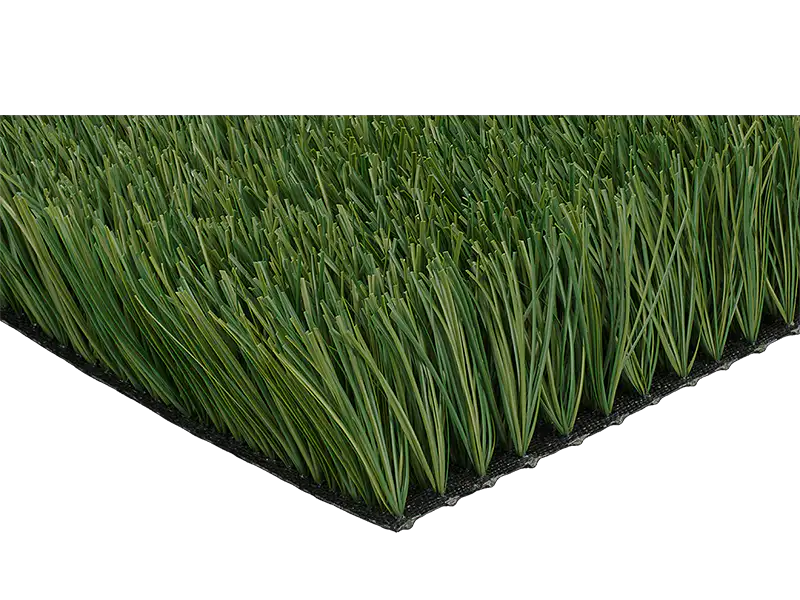
Artificial grass is not a single layer of green fibers. It is an engineered product in which the yarn, tufting arrangement and backing must work together throughout handling, installation and use.
- Yarn: the visible blades that create the color, texture and functional surface.
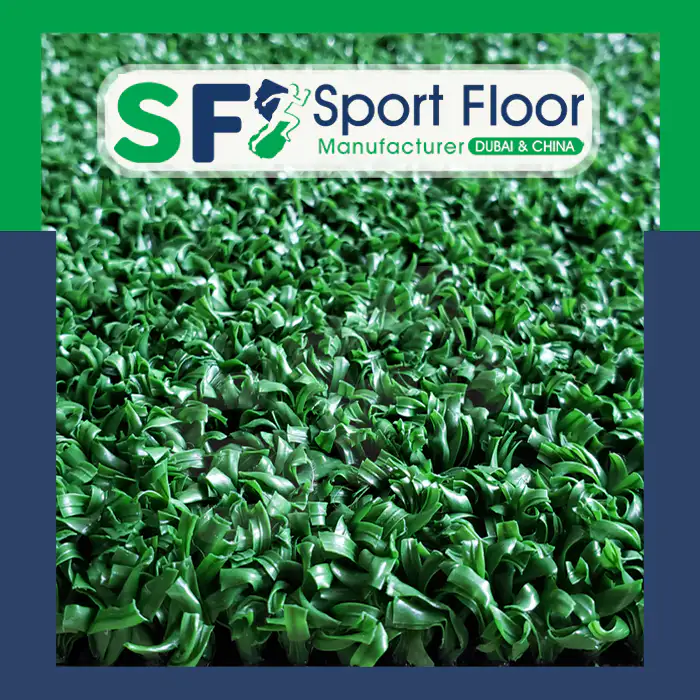
- Thatch yarn: shorter curled fibers used in some landscape models to increase visual fullness and support.
- Primary backing: the woven support through which the yarn is tufted.
- Secondary backing: the coating that helps secure the tufts and stabilize the product.
- Drainage openings: perforations used in selected products to allow water movement through the backing.
- Infill: sand, rubber or another system material used only where required by the selected application.
A technically suitable turf can still perform poorly when installed over an unstable base, with incorrect seam preparation, unsuitable adhesive or poorly controlled infill. Product and installation requirements must therefore be evaluated together.
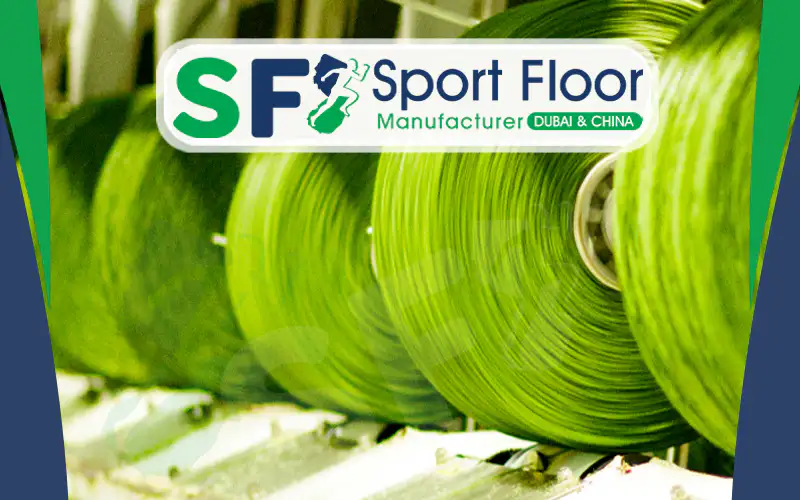
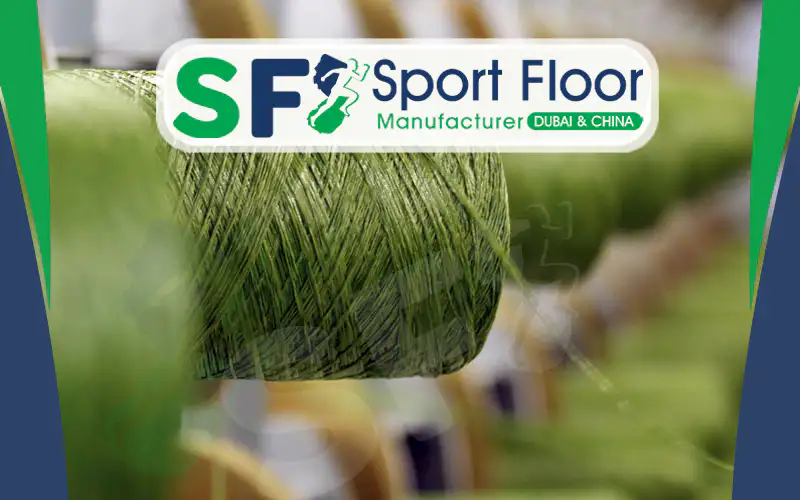
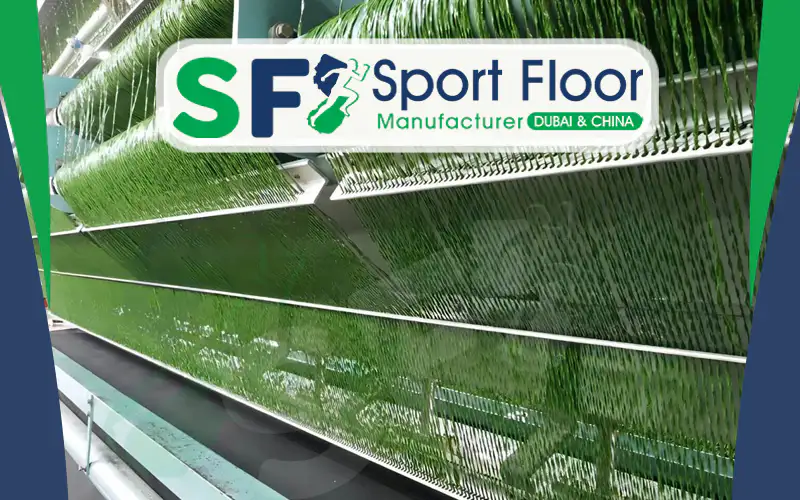
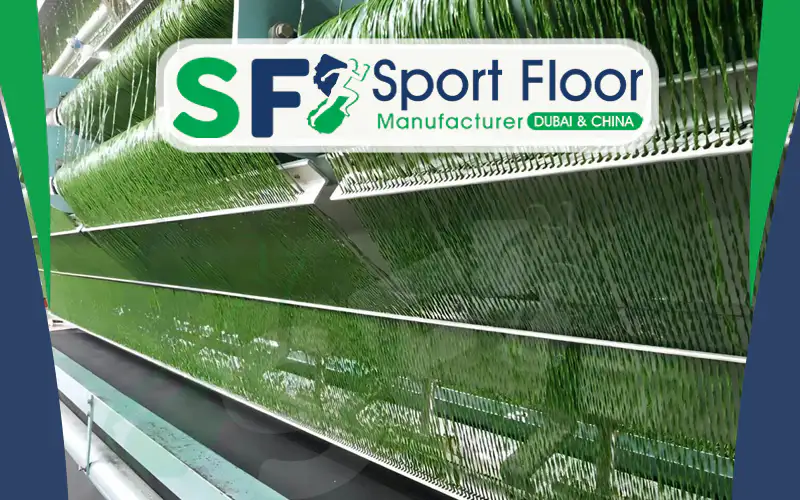
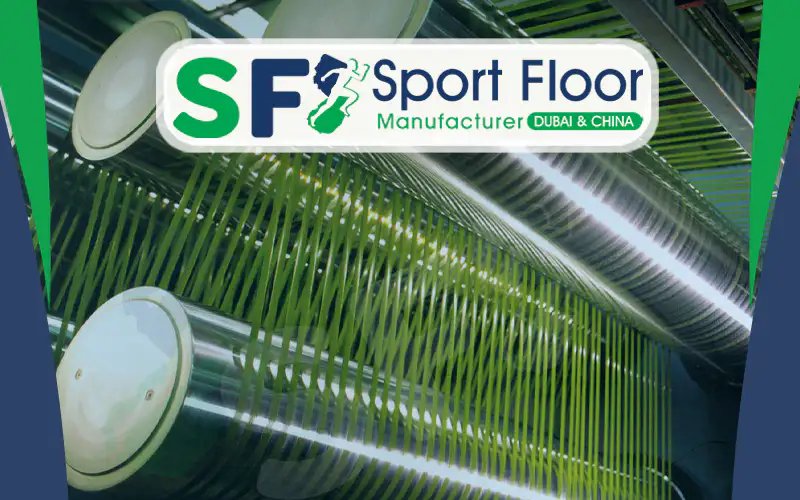
From Yarn Production to Finished Artificial Grass Rolls
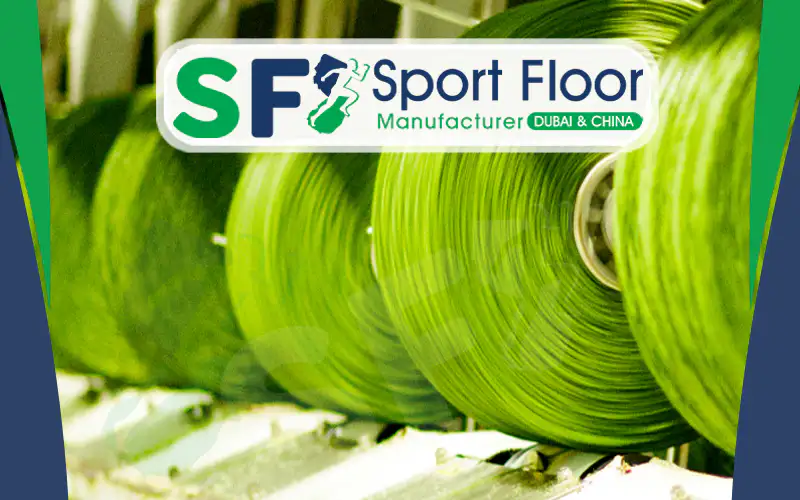
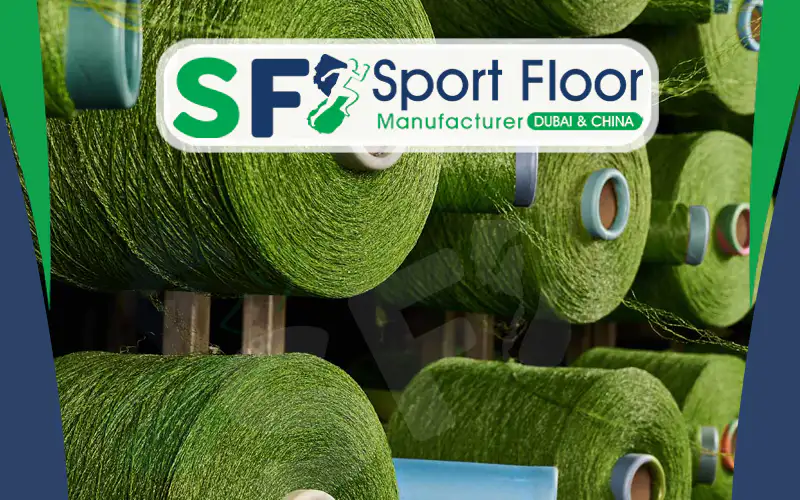
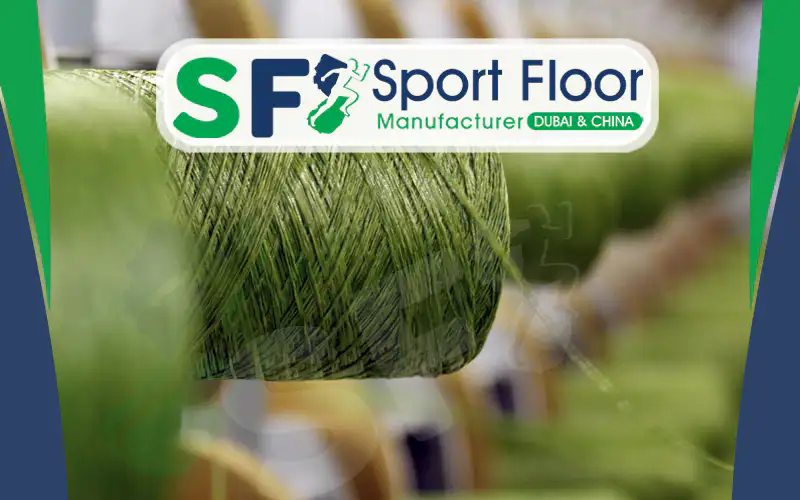
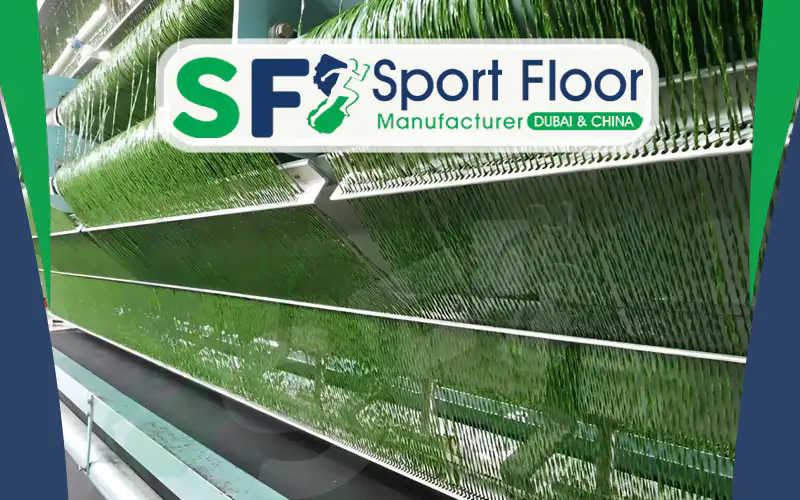
Buyers should evaluate how the approved specification is controlled through production, inspection, packing and repeat orders.
- Confirm the raw material and yarn construction for the selected model.
- Verify pile height, gauge, stitch rate and total product density.
- Inspect blade color, uniformity, tufting and backing condition.
- Confirm roll dimensions, labels, batch identification and packing.
- Request an approved sample before large or repeat orders.
- Keep technical and commercial specifications consistent across all quotation revisions.
For detailed manufacturing and quality-control information, visit the artificial grass factory page . For supplier evaluation and export workflow, visit the artificial grass manufacturer page .
Artificial Grass vs Natural Grass
The appropriate surface depends on the project purpose, local climate, available maintenance resources, required appearance and sporting use.
| Consideration | Artificial Grass | Natural Grass |
|---|---|---|
| Appearance | Maintains a consistent manufactured appearance throughout the year. | Appearance changes according to climate, irrigation, soil and maintenance. |
| Irrigation | Does not require irrigation to remain green. | Usually requires scheduled irrigation according to climate and grass type. |
| Routine Care | Requires cleaning, brushing, seam inspection and infill care where applicable. | Requires mowing, watering, fertilizing, aeration and turf management. |
| Heavy Use | Can support frequent use when the product and complete system are correctly specified. | May require recovery periods, rotation or repair under intensive use. |
| Surface Consistency | Offers controlled product construction and planned installation characteristics. | Performance can vary with moisture, wear, soil condition and seasonal changes. |
| Initial Investment | Includes turf, preparation, installation, accessories and possible infill or shock pad. | Includes soil preparation, planting or turfing, irrigation and establishment. |
| Long-Term Cost | Depends on cleaning, brushing, repairs, infill maintenance and eventual replacement. | Depends on water, labor, mowing, chemicals, repair and ongoing turf management. |
Confirm the Requirements of the Complete Installed Surface
Sporting requirements generally apply to the complete installed surface rather than a loose turf sample alone.
How to Request an Accurate Artificial Grass Quotation
A complete request helps suppliers calculate the correct product, quantity, packing plan and delivery cost.
Define the Application
State whether the turf is for a garden, football field, padel court, golf area, playground or multipurpose facility.
Send the Required Specification
Provide the pile height, yarn, density, backing, color and other requirements already defined by the project.
Confirm the Total Area
State the net area in square meters and provide drawings or field dimensions when a cutting and roll plan is required.
Identify System Materials
Confirm whether the enquiry includes joint tape, adhesive, silica sand, rubber infill, shock pad or installation accessories.
Provide the Destination
Include the country, city or destination port so the packing and shipping basis can be evaluated.
Confirm the Delivery Term
State the preferred commercial basis, such as EXW, FOB or CIF, together with the named place or port.
Artificial Grass Maintenance
Artificial turf requires less horticultural maintenance than natural grass, but it is not maintenance-free.
Remove Debris
Remove leaves, litter and loose material before they block the surface or drainage openings.
Brush the Fibers
Use suitable non-metallic equipment and follow the recommended brushing direction for the installed turf.
Inspect Seams and Edges
Repair loose joints, damaged edges or movement before the affected area becomes larger.
Maintain Infill
Where infill is part of the system, check its distribution and depth according to the maintenance plan.
Find the Correct Artificial Grass Page
Artificial Grass FAQ
What is artificial grass made from?
Artificial grass consists of synthetic yarns tufted into a reinforced primary backing and secured with a secondary coating. The exact yarn and backing construction varies according to the product and intended application.
What pile height should I choose?
Choose pile height according to the application and full product specification. Landscape products may prioritize appearance and softness, while sports products must also address ball response, traction, infill and system performance.
Is higher artificial grass density always better?
Not automatically. Density must be evaluated together with yarn type, dtex, blade shape, pile height, backing and intended use. A technically suitable construction is more important than one isolated number.
Can the same artificial grass be used for gardens and football fields?
Usually, landscaping and football turf use different product and system specifications. A garden product should not be selected for a sports pitch unless its complete specification and performance are approved for that use.
Does artificial grass require infill?
Infill requirements depend on the turf and application. Some systems use silica sand, rubber or other materials, while certain landscape products may use little or no infill. Follow the exact product and installation specification.
Is artificial grass suitable for playgrounds?
It may be used in playground areas, but impact safety depends on the complete installed system, including the base and any shock-absorbing layer. Turf alone should not be presented as proof of fall-impact performance.
Is all football artificial grass FIFA certified?
No. FIFA certification relates to football turf systems and final pitch testing under the applicable programme. Buyers should verify the exact product, system and field certification status instead of relying on a general marketing statement.
How should I compare artificial grass prices?
Compare offers using the same application, pile height, yarn, density, backing, roll dimensions, accessories, total quantity, destination and delivery term.
What information is required for an export quotation?
Provide the application, required specification, total square meters, roll plan, system accessories, destination country or port, required delivery date and preferred delivery term.
Does artificial grass require maintenance?
Yes. Maintenance may include debris removal, brushing, seam and edge inspection, stain cleaning, drainage checks and infill redistribution where applicable.