EPDM Granules for Wet Pour Flooring, Running Tracks, Playgrounds and Sports Surfaces
A complete product and specification guide for contractors, importers, distributors, architects and project owners comparing EPDM rubber granules by application, color, size, system role and buying route.
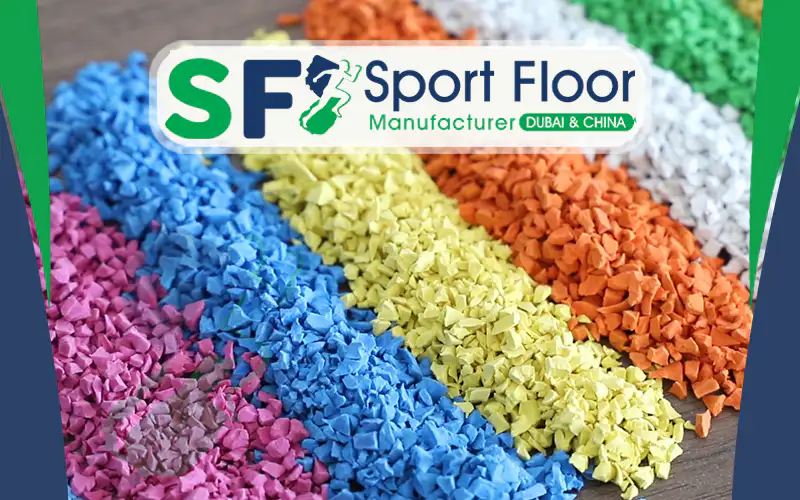
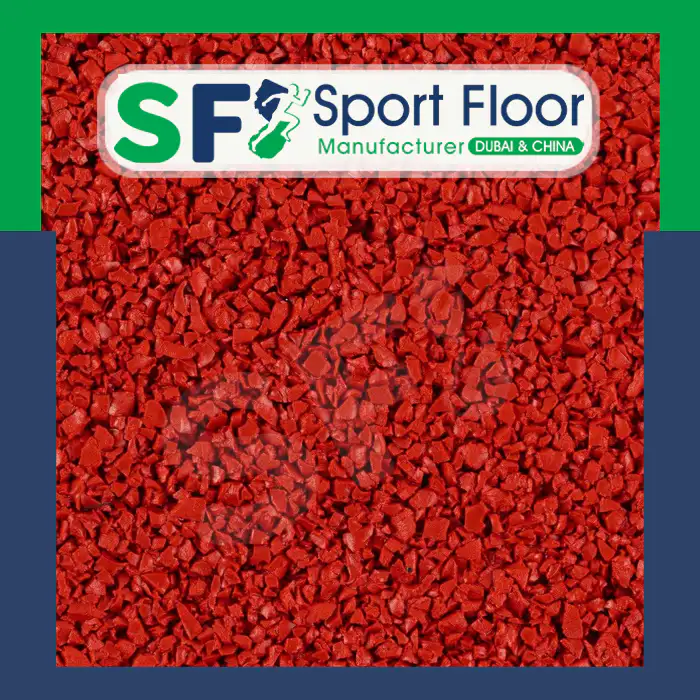
EPDM granules are colored synthetic rubber particles used mainly as the exposed layer in wet pour rubber flooring, playground safety surfacing, recreational flooring and athletic systems. Buyers choose EPDM rubber granules when they need color flexibility, outdoor performance, a seamless installed finish and a surface specification that can be adapted to the project.
How to SpecifyWhat Are EPDM Rubber Granules?
EPDM granules are manufactured synthetic rubber particles selected for use in colored safety flooring, wet pour systems, running track details, playgrounds and recreational surfaces. In many installations, EPDM is the part of the system that remains visible after completion, so it influences color, surface texture, grip, maintenance expectations and the overall quality of the finished project.
EPDM is different from a generic black rubber base material. Its value comes from the combination of color choice, controlled grading and suitability for an exposed surface. This makes it useful when a project requires more than shock absorption: the client may also need architectural coordination, visual zoning, decorative graphics or a surface that can retain a professional appearance under outdoor conditions.
For a typical playground or recreational installation, the designer may use SBR rubber granules below and EPDM above. A compatible PU binder connects the granules into a seamless surface. This is why an accurate material enquiry should describe the full system, not simply ask for “colored rubber.”
The main EPDM page should answer the broad product questions. More specific buying questions are handled by dedicated pages for EPDM granules supplier and manufacturer enquiries, wholesale and export supply, granule sizes and price per ton.
Where EPDM Granules Are Used
EPDM rubber granules serve several connected search intents: playground safety flooring, wet pour rubber, colored recreational surfaces and sports applications. The final specification changes by project, but the main application groups are clear.
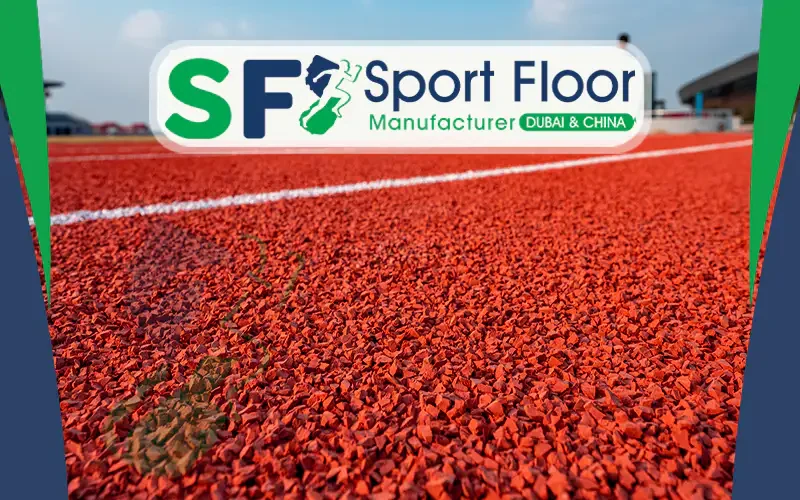
Running tracks and athletic zones
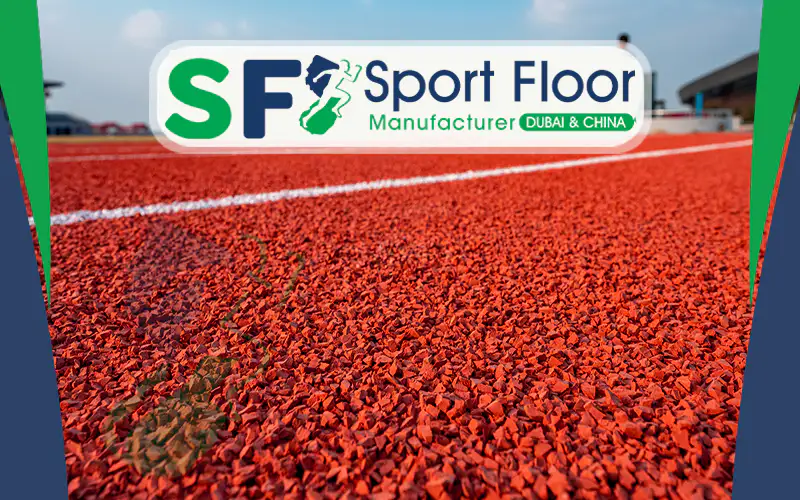
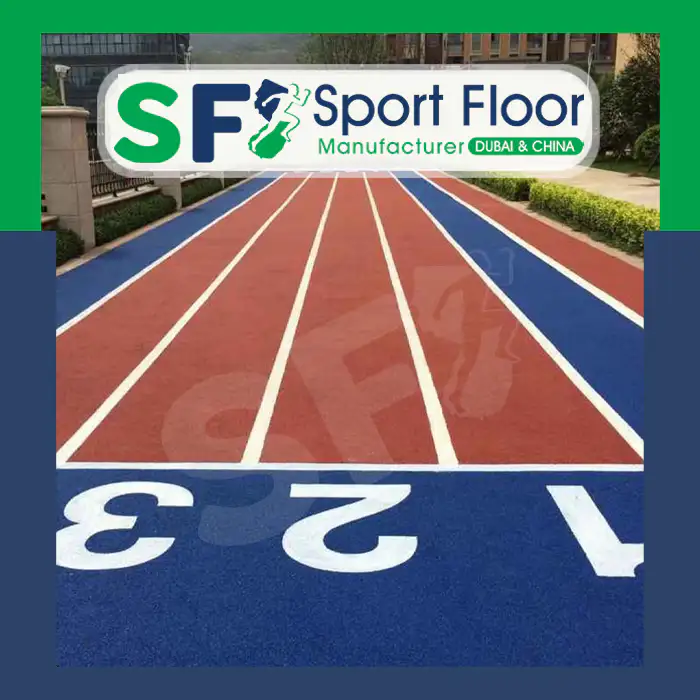
Selected track and training systems use EPDM where the project requires a colored top finish, outdoor exposure and controlled surface texture.
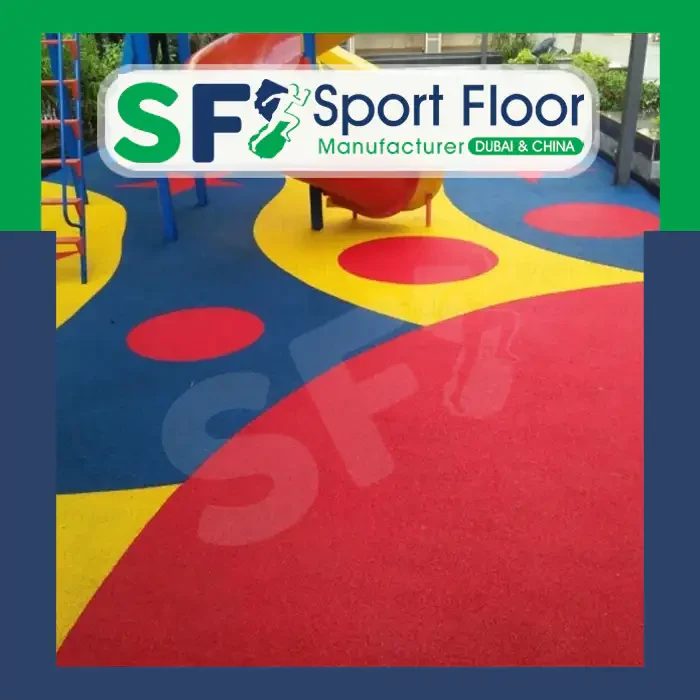
Playground safety surfacing
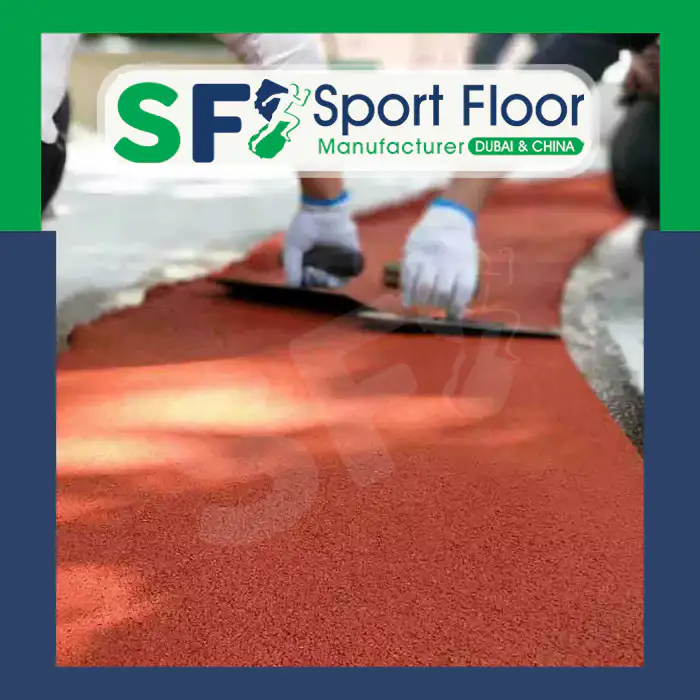
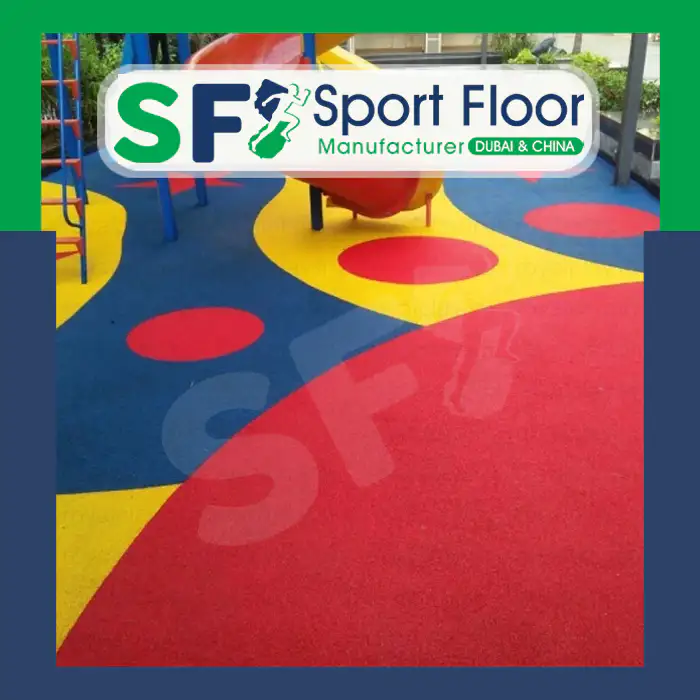
Schools, parks and nurseries use EPDM for seamless play surfaces, color zoning, curved layouts and themed safety designs.
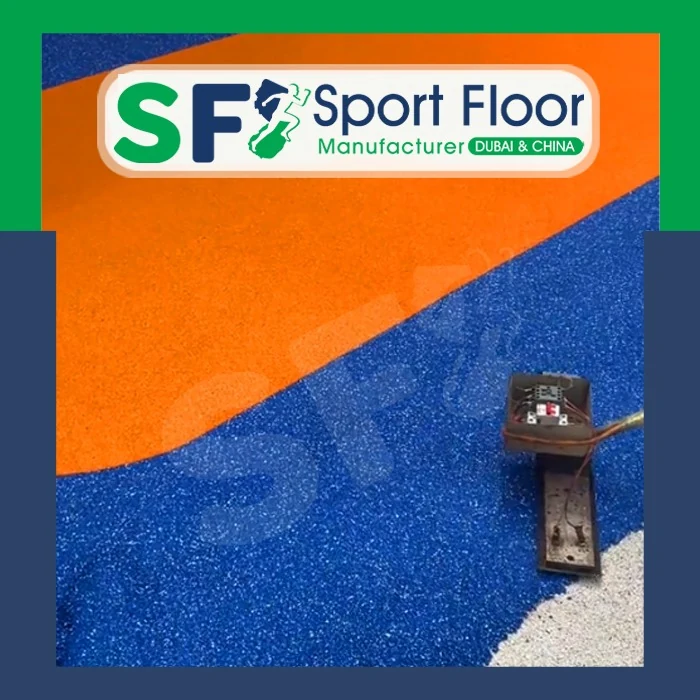
Recreational and design zones
Custom colors help create routes, borders, activity zones, branding elements and decorative inserts without visible tile joints.
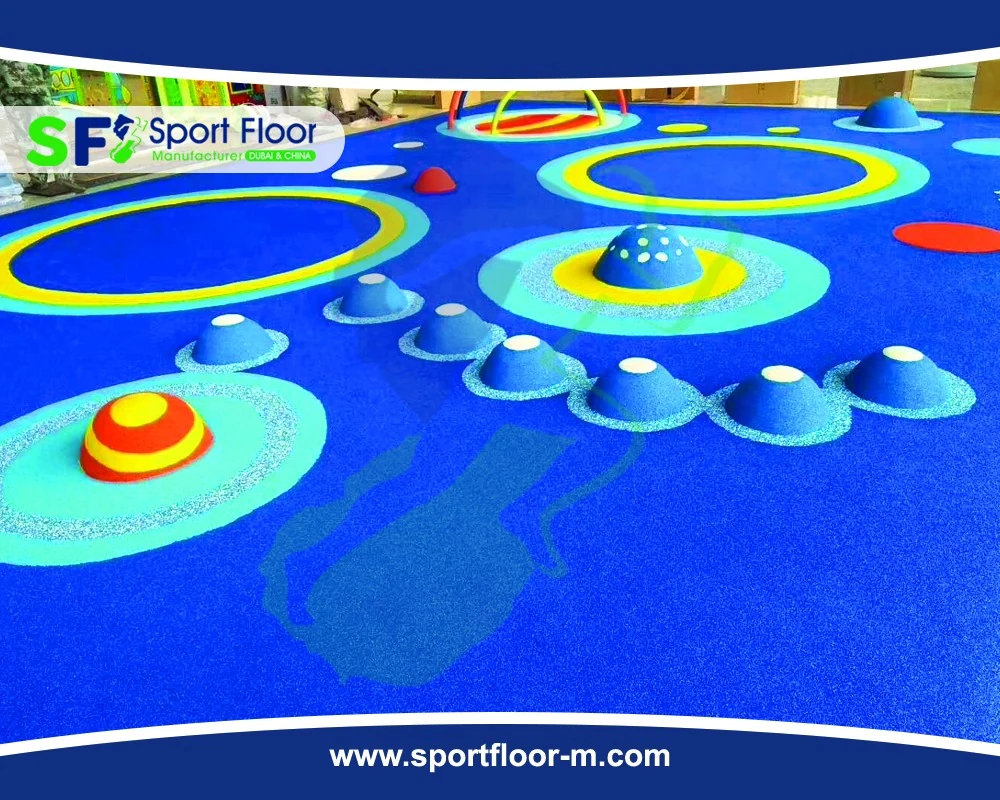
Creative play environments
Multi-color EPDM surfaces support storytelling, learning graphics, visual games and high-impact playground concepts.
Running-track projects
For full athletic system information, EPDM should be linked to the wider construction logic, layers and performance choices described on our running track systems page.
Explore running track systemsPolyurethane sports systems
EPDM may also connect with broader polyurethane and tartan categories. See our polyurethane surface materials and tartan systems pages for the wider material family.
Explore tartan materialsHow EPDM Granules Work in Wet Pour Rubber Flooring
Wet pour is one of the most important EPDM applications. The system normally combines a prepared base, a resilient lower layer and a colored upper layer. The layer sequence, thickness and material consumption must be confirmed for the project rather than copied from a generic diagram.
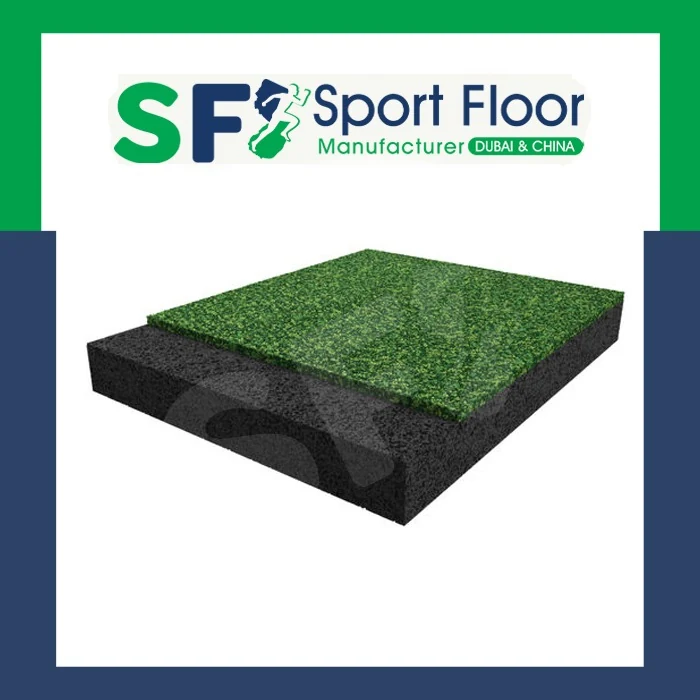
Prepared substrate
The project begins with a stable surface or constructed base suitable for the drainage, level and use conditions of the site.
SBR shock-absorbing layer
The lower rubber layer commonly uses SBR rubber granules to create depth and resilience.
EPDM colored top layer
EPDM forms the exposed finish and determines the visible color, texture, zoning and final presentation.
Polyurethane binder
A compatible PU binder connects the granules into a seamless cured surface.
Why “EPDM wet pour rubber granules” is a separate intent
Users searching this phrase usually want system guidance rather than a general product definition. They need to understand top-layer use, binder compatibility, installation logic, color selection and quantity planning.
Continue to the complete wet pour guide
For installation stages, project design logic and the difference between material supply and a completed floor, read the dedicated poured rubber flooring and wet pour guide.
Colored EPDM Granules for Project Identity and Zoning
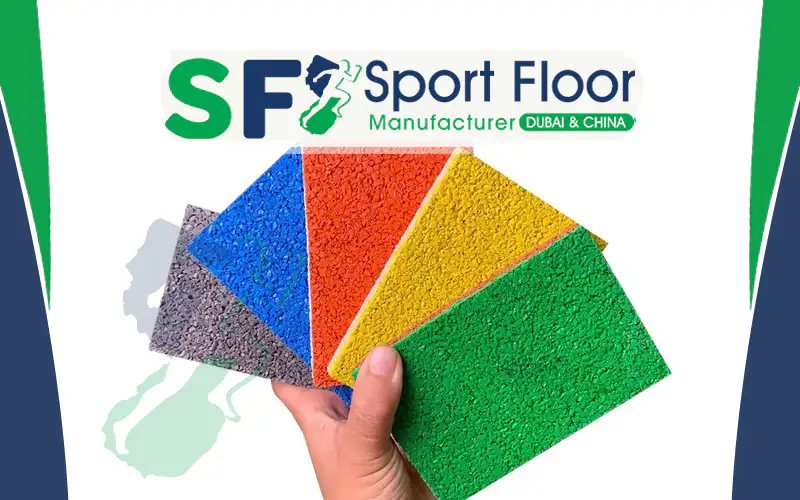
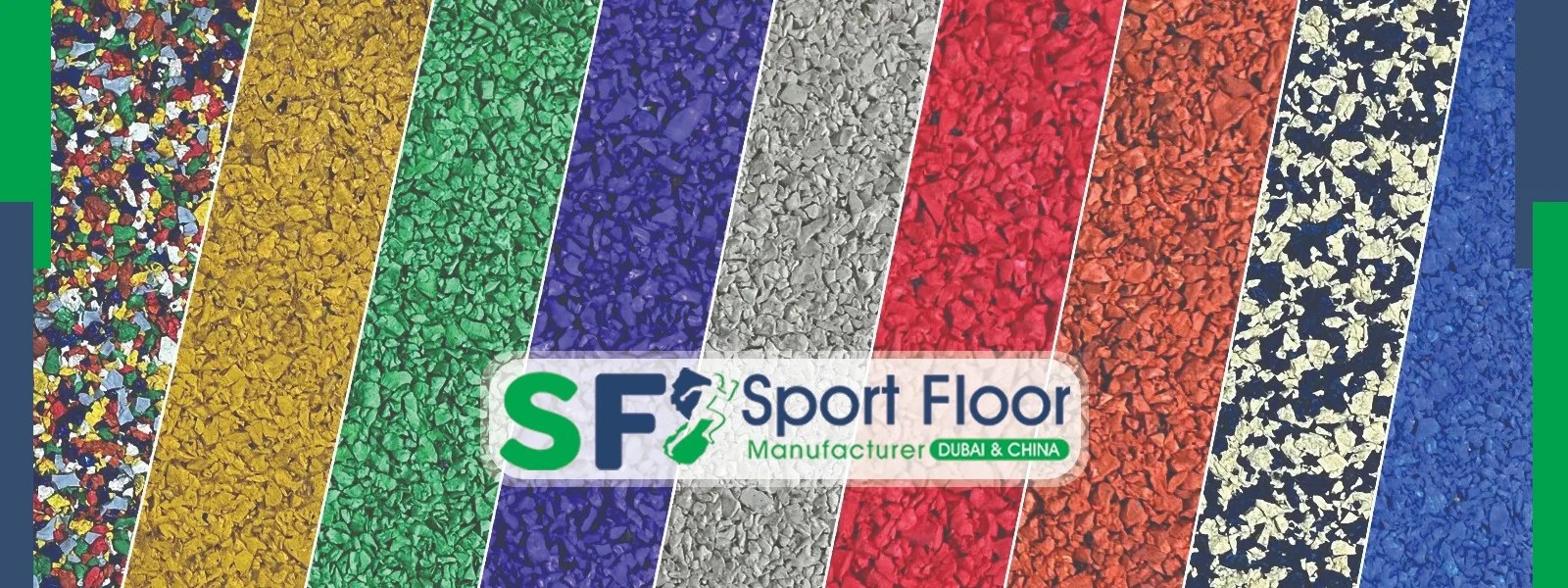
Color is one of the strongest reasons to choose EPDM. It allows a surface to serve both a functional and visual role: separating activity zones, guiding movement, coordinating with architecture and creating child-friendly design concepts.
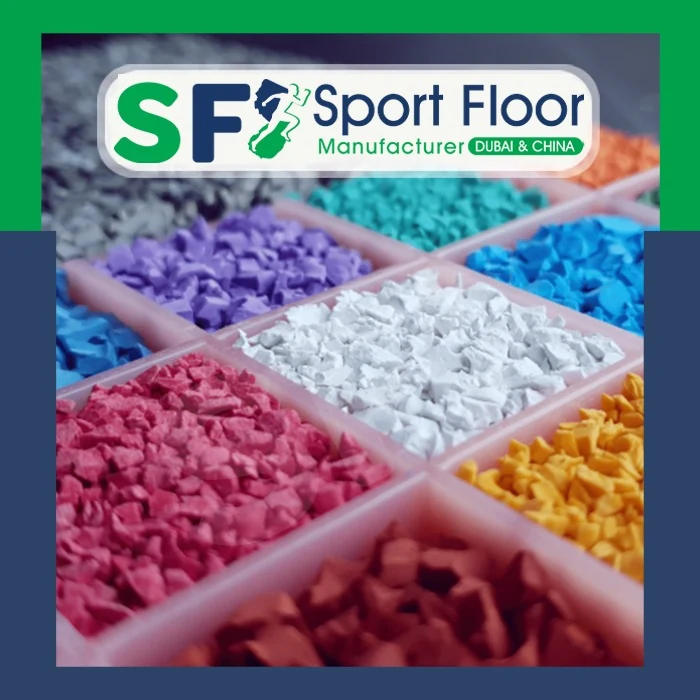
Projects may use one color for a clean uniform finish, two or more colors for a blended appearance, or contrasting colors to create graphics and borders. The design approach affects the bill of quantities because each color must be ordered and managed separately.
A useful color schedule should identify the surface area assigned to each shade, any blend ratio, border quantities and the expected design tolerance. This is especially important when the project includes logos, learning graphics, lane markings or highly visible transitions.
For a dedicated visual guide, use the EPDM granules colors page. It should remain the main destination for shade-related searches, while this pillar page explains the role of color within the full product decision.
EPDM Granule Size Affects Texture, Finish and Application
Granule size is not a minor detail. It influences how the surface looks, how the material spreads during installation and the texture of the cured finish. A correct RFQ should therefore state the required grading or ask the supplier to recommend one based on the application.
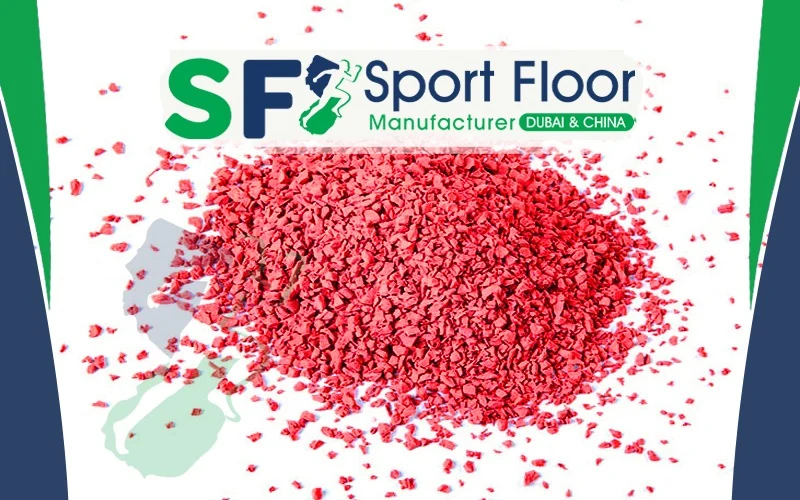
Smaller or tighter grading may create a more compact visual texture, while larger grading can produce a more pronounced granular appearance. The correct choice depends on the system designer, the installation method and the desired finish.
The dedicated EPDM granules sizes guide should answer detailed size queries, including how to compare grading ranges and how different ranges may fit wet pour, recreational or specialized surface requirements.
What Buyers Should Check Before Approving EPDM Granules
A strong product page should help a buyer evaluate an offer, not simply describe the material. The following checklist improves the quality of supplier comparisons and reduces the chance of receiving incompatible or inconsistent material.
How to Prepare an Accurate EPDM Granules Request
The quickest way to receive a useful quotation is to send a structured enquiry. This also helps manufacturers and suppliers recommend the correct material instead of quoting a generic item.
Define the application
State whether the project is a playground, wet pour area, running track detail, sports surface or decorative recreational zone.
Confirm the system role
Explain whether EPDM will be the visible top layer over SBR, part of another polyurethane system or supplied for a separate production process.
List colors and grading
Provide the selected shade, blend percentages and granule size. Use the colors guide and sizes guide when required.
State the quantity and packing
Send the required tons or project area, preferred bag size, pallet needs and whether the order is a sample, trial quantity or full commercial shipment.
Add the destination and delivery basis
Include the destination country, port or city and the requested basis such as EXW, FOB or CIF so logistics are not hidden inside an incomplete price.
EPDM Granules vs SBR Rubber Granules
EPDM and SBR are often used together rather than treated as direct substitutes. The clearest distinction is their typical role inside a layered rubber flooring system.
| Comparison point | EPDM granules | SBR rubber granules |
|---|---|---|
| Main role | Visible colored top layer for the final finish. | Lower support or shock-absorbing layer in many systems. |
| Visual purpose | Provides color, design, zoning and surface identity. | Generally selected for function and system build-up rather than final appearance. |
| Common search intent | Colors, supplier, manufacturer, wet pour use, sports surfaces and price. | Base-layer supply, recycled rubber, shock absorption and cost efficiency. |
| Related page | EPDM granules | SBR rubber granules |
Follow the Page That Matches Your Search Intent
This pillar page explains the product broadly. The pages below handle narrower questions so that Sport Floor can build a clear topical structure without forcing every keyword into one article.
I need a supplier or manufacturer
Use the commercial page for sourcing, documentation, packaging and quotation preparation.
EPDM granules supplierI need wholesale or export supply
Use the bulk-buying page for distributors, repeated orders and commercial shipments.
EPDM granules wholesaleI need color or size guidance
Use the attribute pages to compare visual options and grading before requesting a quote.
EPDM colorsI need price information
Use the price page to understand the variables that influence cost per ton and landed cost.
EPDM price per tonRelated EPDM, Rubber Flooring and Sports Surface Pages
These links connect the EPDM pillar page to its closest commercial, technical and application pages. The anchor text is descriptive so users and search engines can understand the destination before opening it.
EPDM Granules FAQ
Clear answers to common questions from contractors, consultants, distributors and project buyers.
What are EPDM granules used for?
Are EPDM rubber granules suitable for wet pour flooring?
What is the difference between EPDM and SBR granules?
Do EPDM granules come in different colors?
How do I choose the right EPDM granule size?
Can EPDM granules be used in running tracks?
What information is needed for an EPDM quotation?
Can I buy EPDM granules wholesale or for export?
What documents should I request from an EPDM supplier?
What affects EPDM granules price per ton?
Need EPDM Granules for a Sports, Playground or Wet Pour Project?
Send the application, color range, granule size, quantity, destination and delivery basis. Sport Floor can direct you to the relevant product, supplier, wholesale or pricing path for your enquiry.