Artificial Grass for Gardens, Villas, Rooftops and Landscape Projects
Create green, practical landscape areas with artificial garden grass selected according to pile height, density, yarn construction, backing, drainage, traffic level and the conditions of the installation site.
What Is Artificial Grass for Gardens?
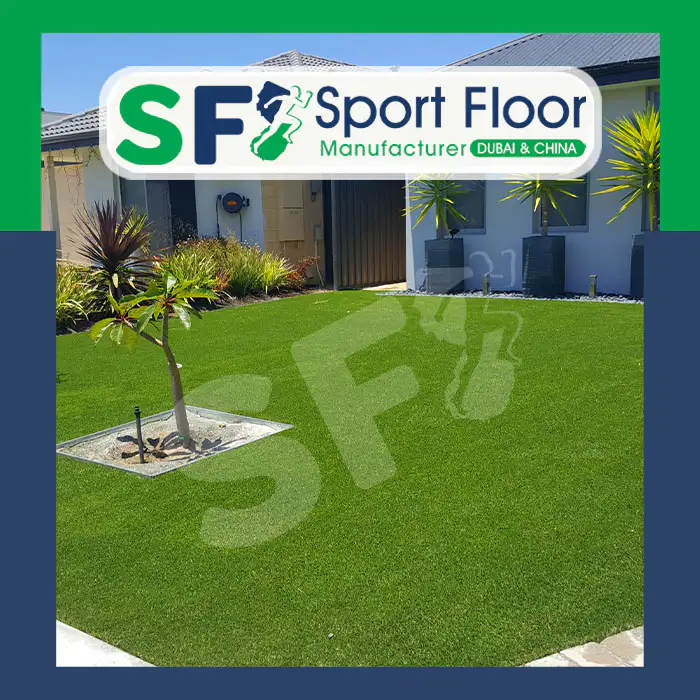
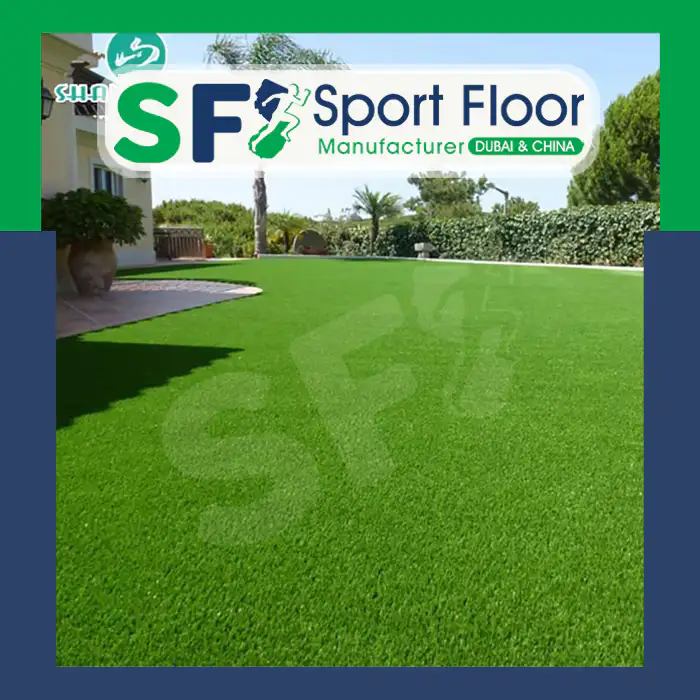
Artificial grass for gardens is a landscape surface made from synthetic yarns tufted into a reinforced backing. It is designed to create a consistent green appearance without the mowing, fertilizing and routine irrigation required by a natural lawn.
Garden turf is used in private gardens, villas, courtyards, residential compounds, hotels, restaurants, rooftops, balconies and commercial landscape projects. The selected product should match the expected foot traffic, visual style, climate, installation surface and drainage conditions.
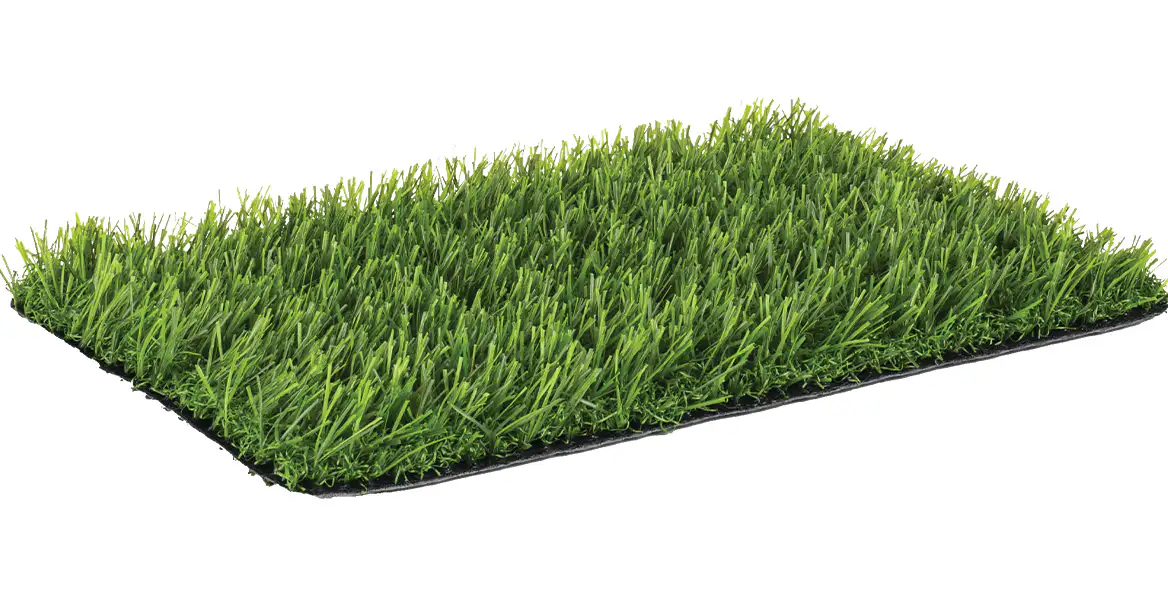
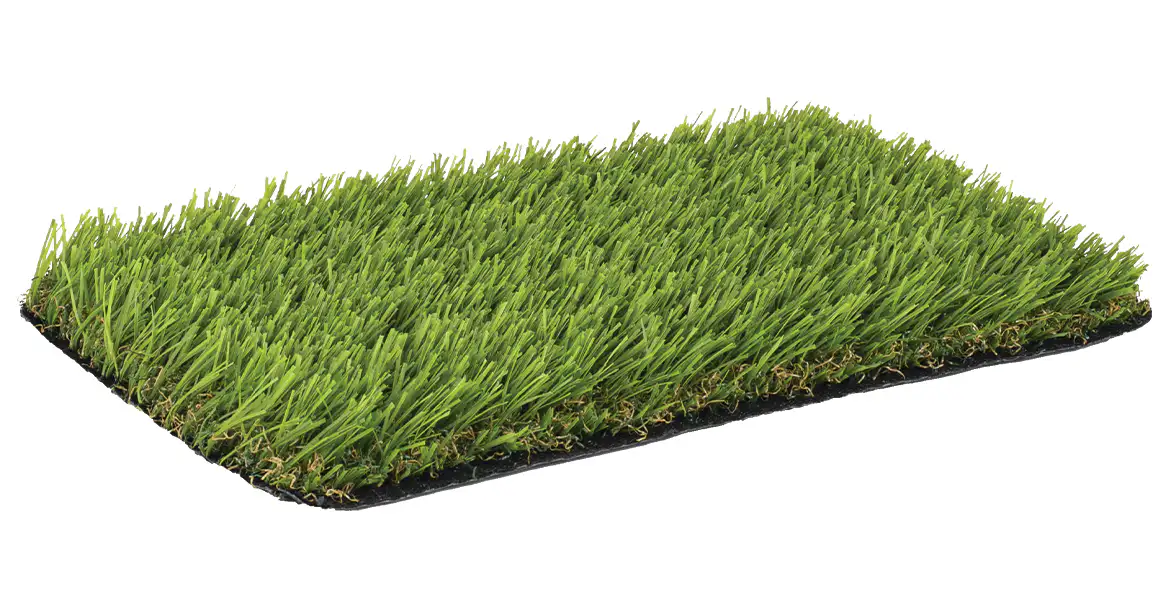
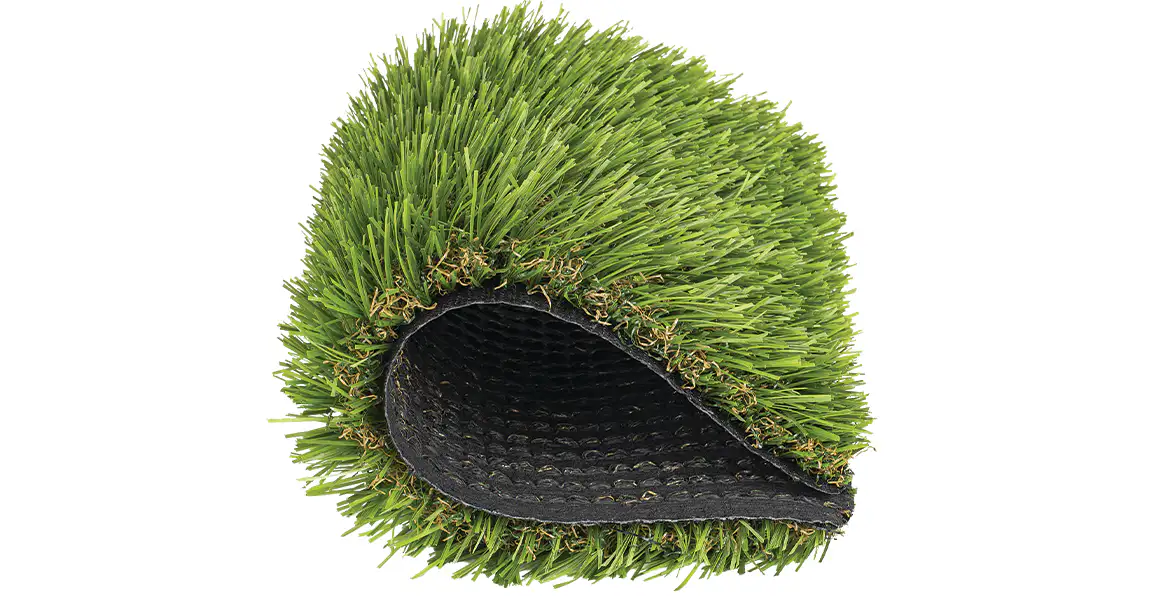
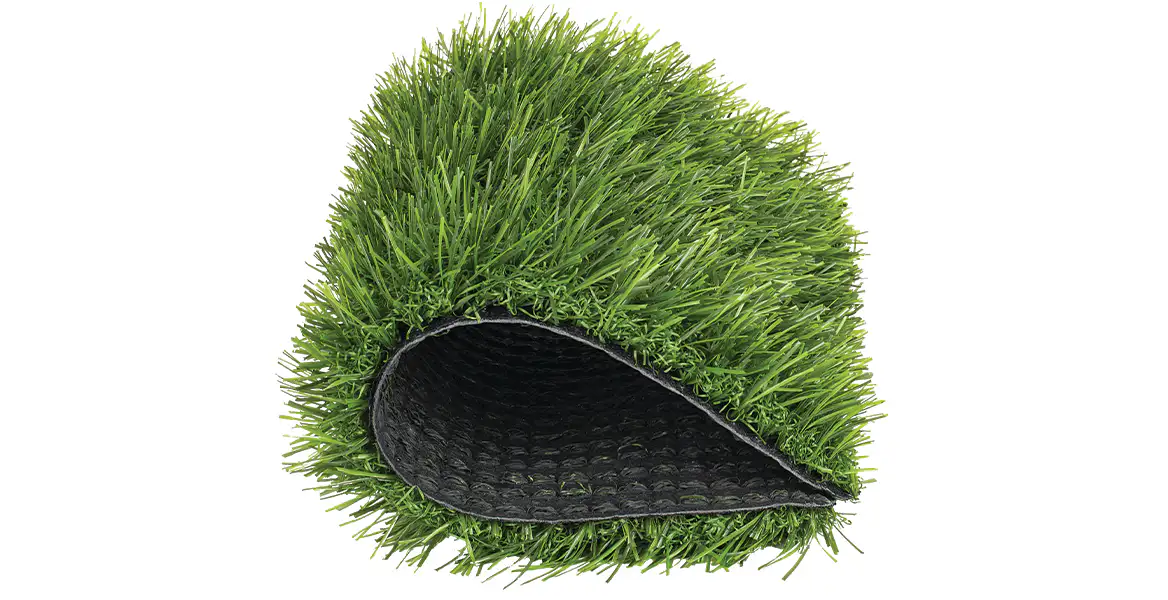
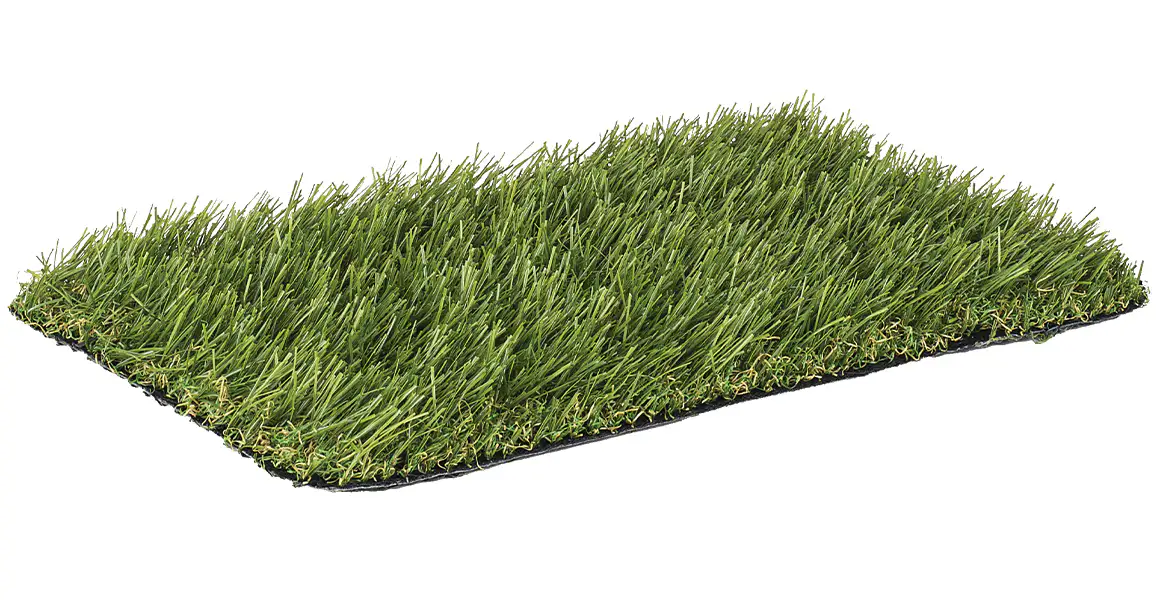
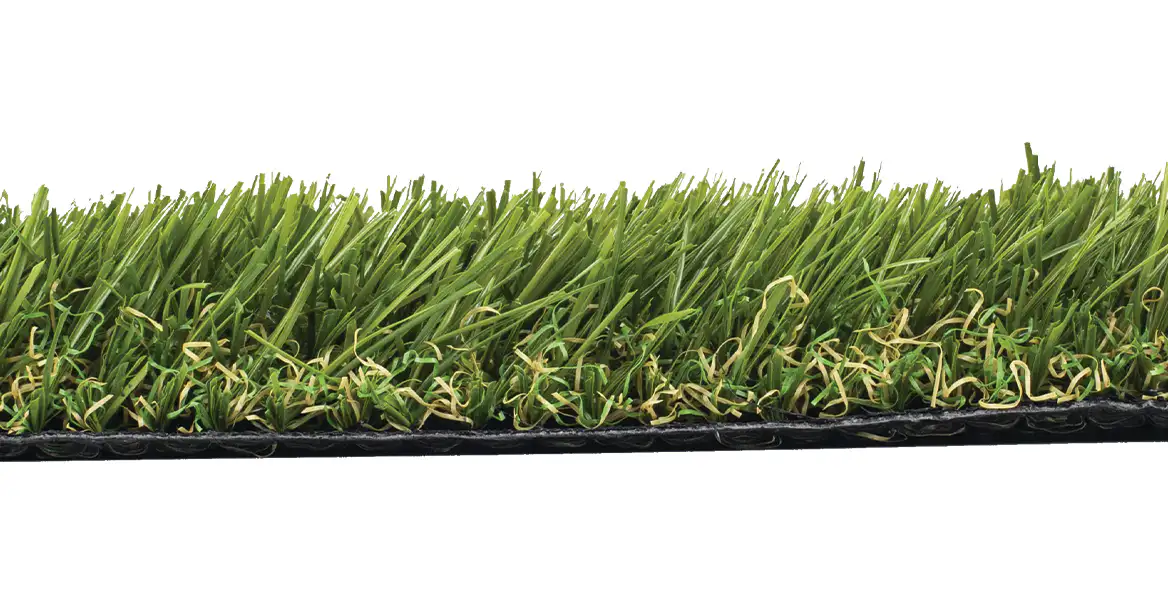
A natural appearance is created through a combination of blade colors, yarn shapes, pile height, density and shorter curled fibers used in some models. Two products with the same pile height can therefore have very different appearance, softness, weight and durability.
Year-Round Appearance
Maintains a manufactured green finish without seasonal lawn growth or dry patches caused by lack of irrigation.
Reduced Lawn Care
Eliminates mowing and fertilizing while replacing them with cleaning, brushing and periodic surface inspection.
Flexible Installation
Can be planned for prepared soil bases, concrete, tiles, rooftops and other stable surfaces with suitable drainage.
Design Options
Different pile heights, densities and color combinations support residential and commercial landscape designs.
Where Garden Artificial Grass Can Be Installed
The appropriate product and installation method depend on the location, drainage, expected traffic and existing surface.
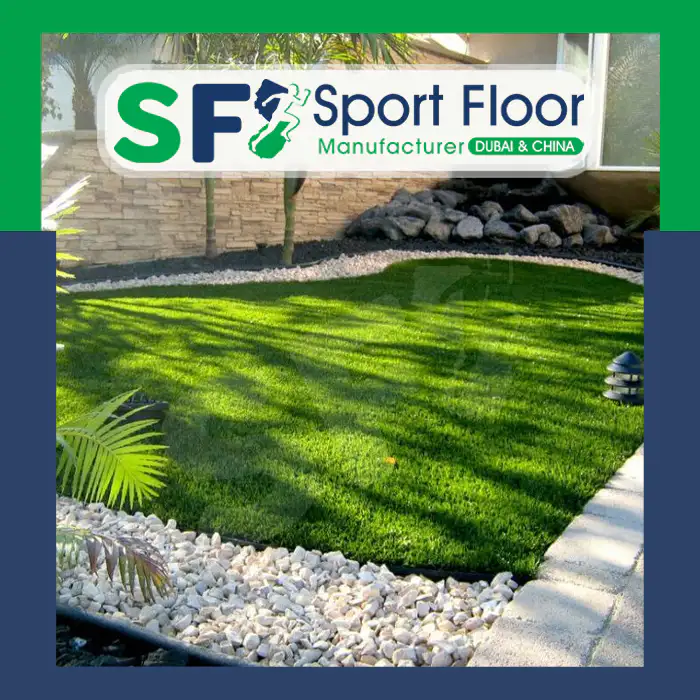
Residential Gardens and Villas
Creates usable green areas around homes, seating zones, pathways and outdoor living spaces without natural lawn mowing or seasonal replanting.
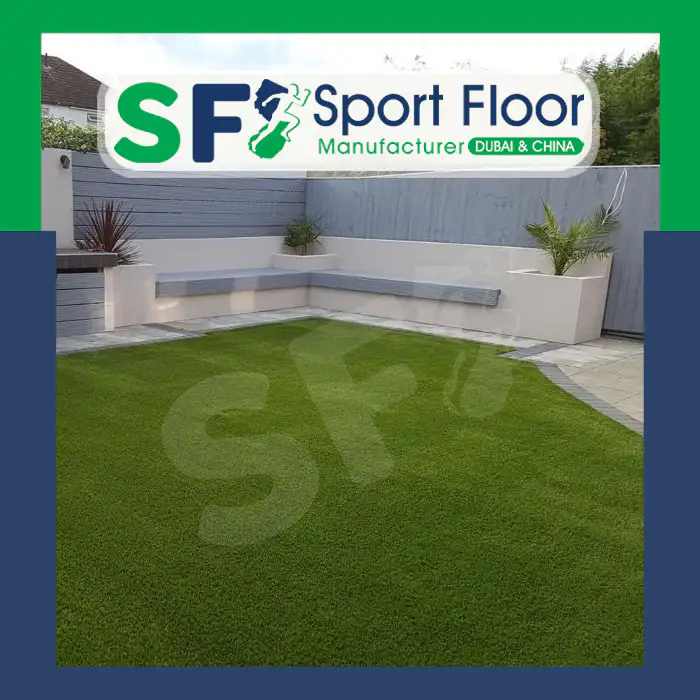
Courtyards and Patios
Adds a softer visual finish to compact courtyards, paved patios and outdoor seating spaces when the substrate and drainage are suitable.
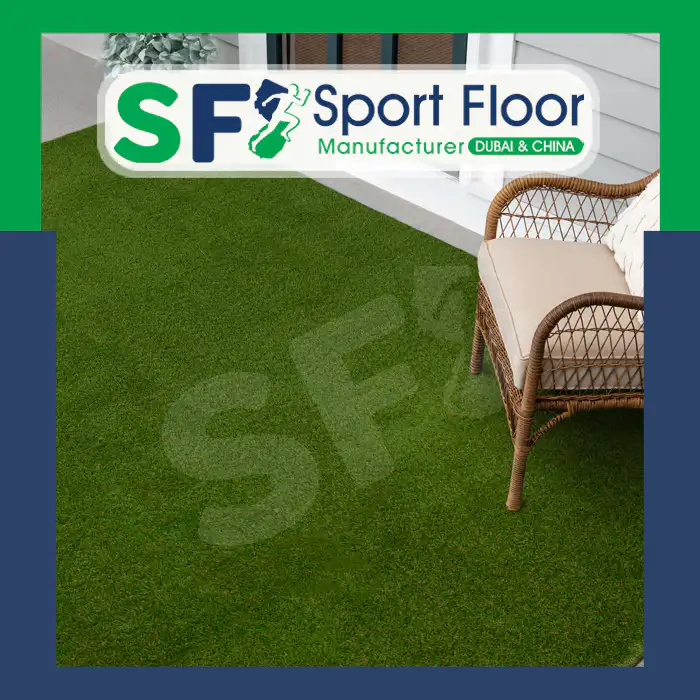
Balconies and Rooftops
Can be used to create decorative green zones on balconies and rooftops after confirming waterproofing, drainage, edge fixing and wind-exposure requirements.
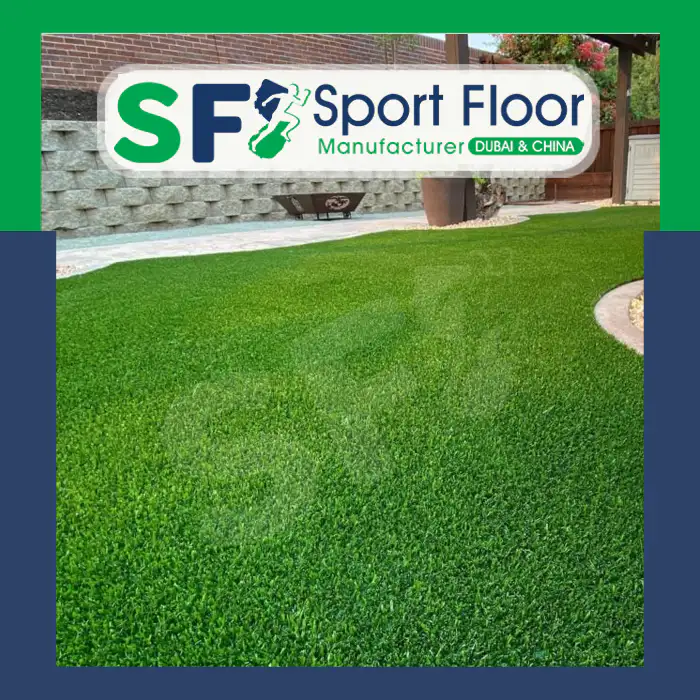
Hotels and Commercial Landscapes
Suitable for visual landscape areas at hotels, restaurants, offices, retail locations and residential developments where consistent presentation is important.
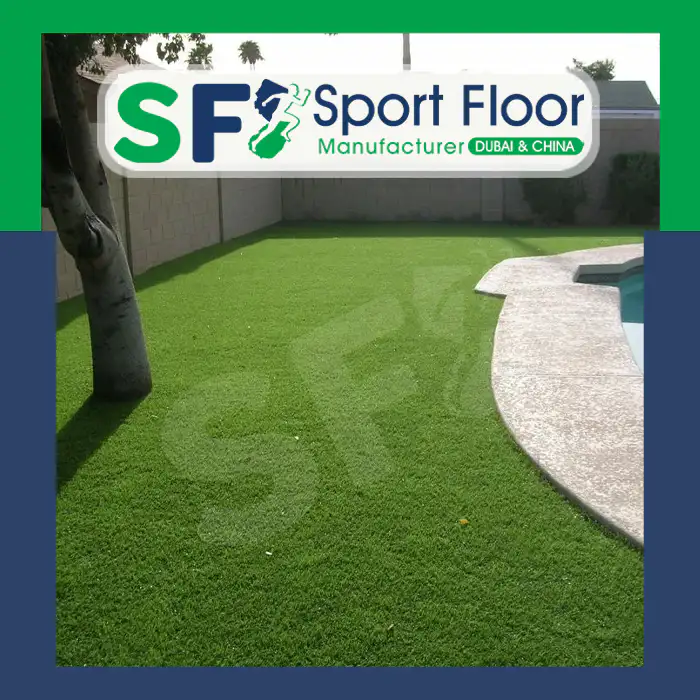
Poolside Landscape Areas
Provides a green surrounding surface near pools when the product, joints, drainage and substrate are compatible with the wet environment.
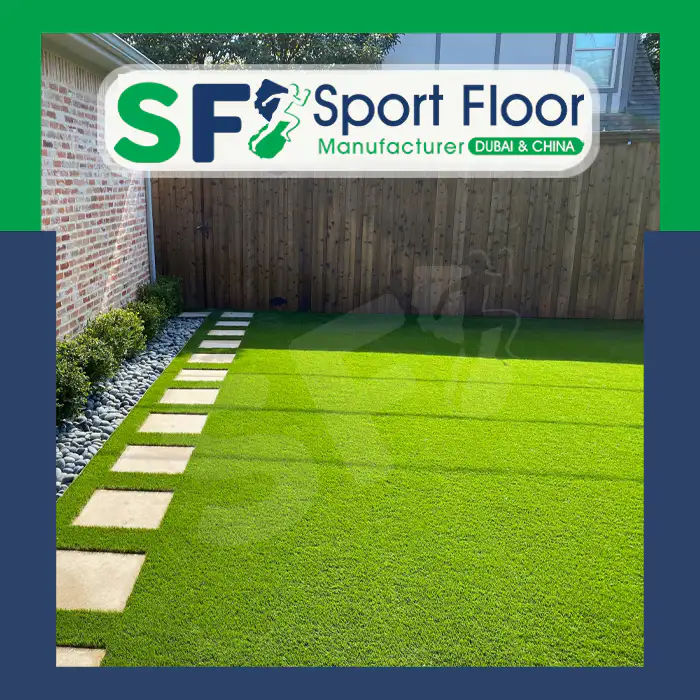
Decorative Landscape Designs
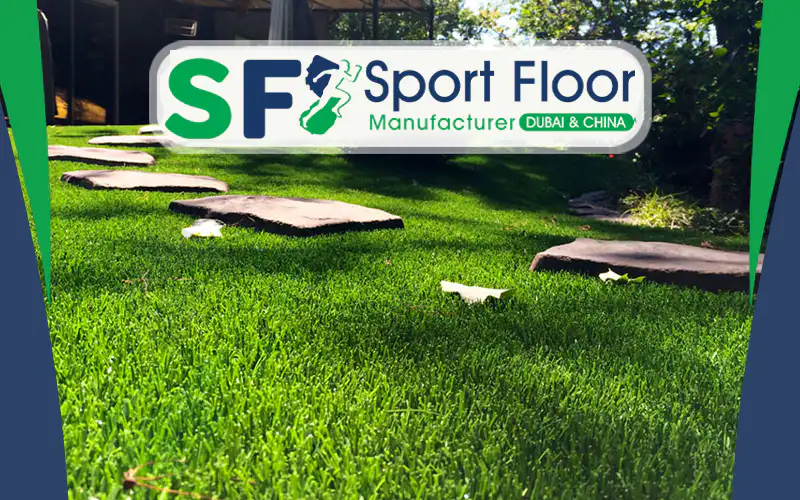
Can be combined with paving, stones, planters and planting beds to create structured landscape zones and low-maintenance pathways.
Garden Artificial Grass from 2 cm to 5 cm
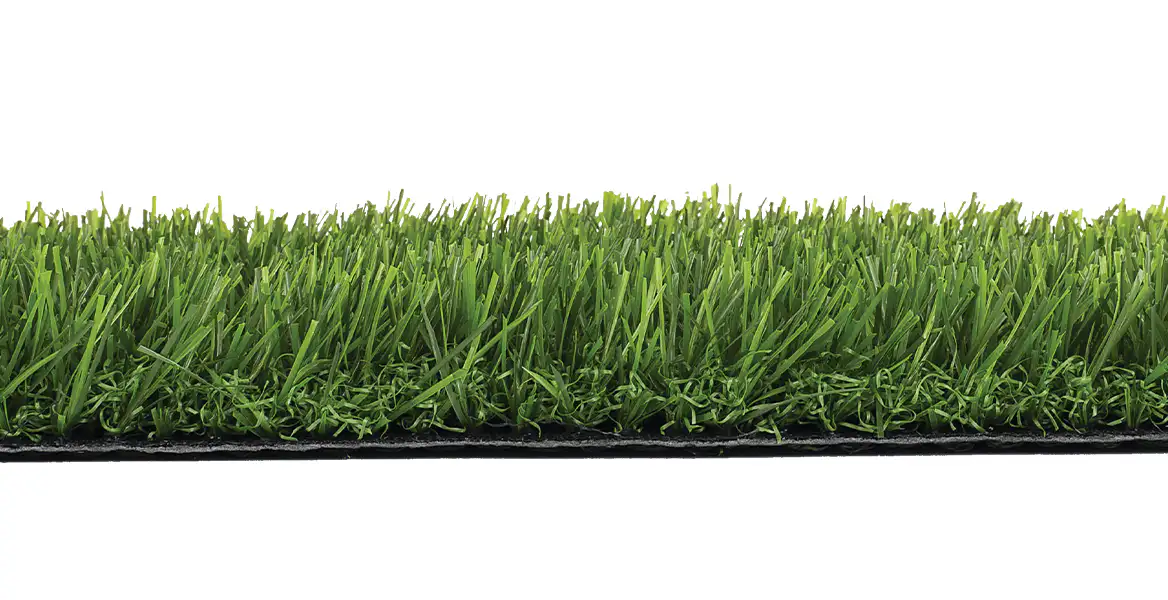
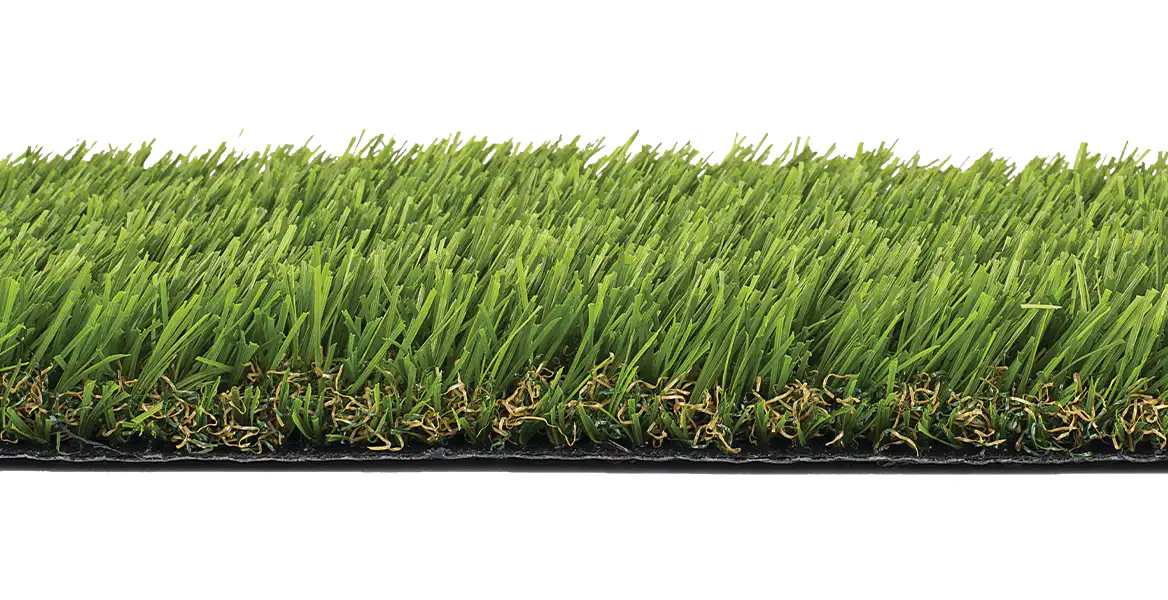
Pile height influences the visible profile and feel of the surface, but density, yarn weight, blade construction and backing must also be compared.
Short-Pile Garden Turf
A compact option for balconies, decorative spaces, exhibitions and selected light-use landscape areas.
View 2 cm artificial grassBalanced Landscape Turf
A commonly requested profile that balances natural appearance, cleaning access and practical use in residential gardens.
View 3 cm artificial grassFuller Garden Appearance
A taller option for projects seeking a fuller visual profile and softer surface feel where the density supports the longer fibers.
View 4 cm artificial grassLong-Pile Landscape Turf
A long-pile option for selected premium landscape designs where the product construction, traffic level and maintenance plan are suitable.
View 5 cm artificial grassCompare Garden Artificial Grass Samples Carefully
Sample photographs help with initial selection, but the approved sample should be reviewed together with the complete technical specification.
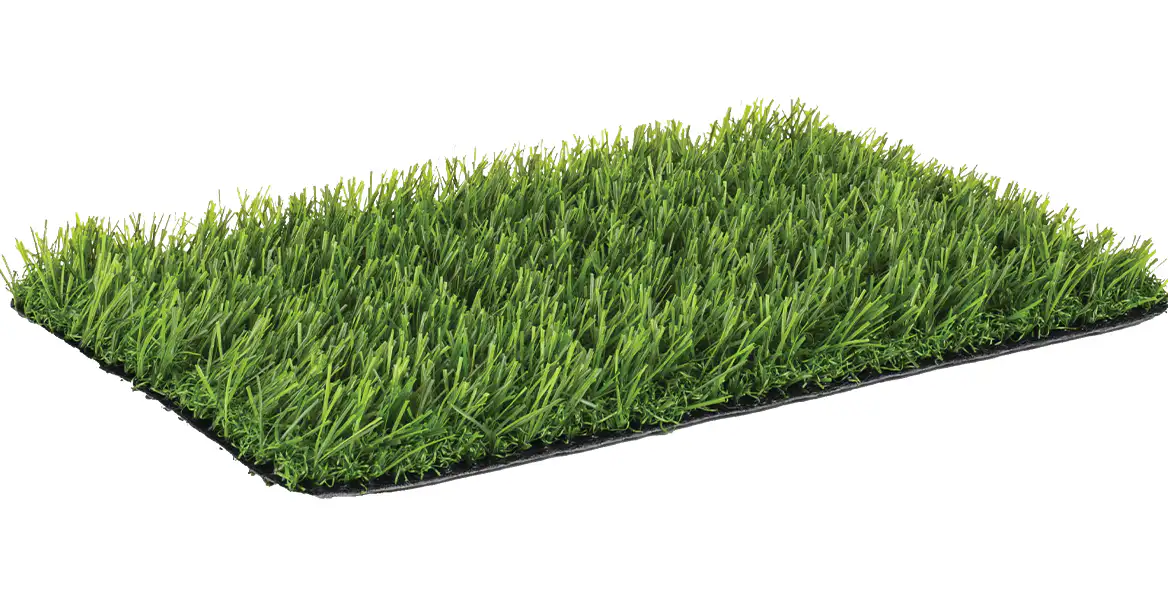
Fiber Density
Review how the fibers cover the backing and how the product appears when viewed from different directions.
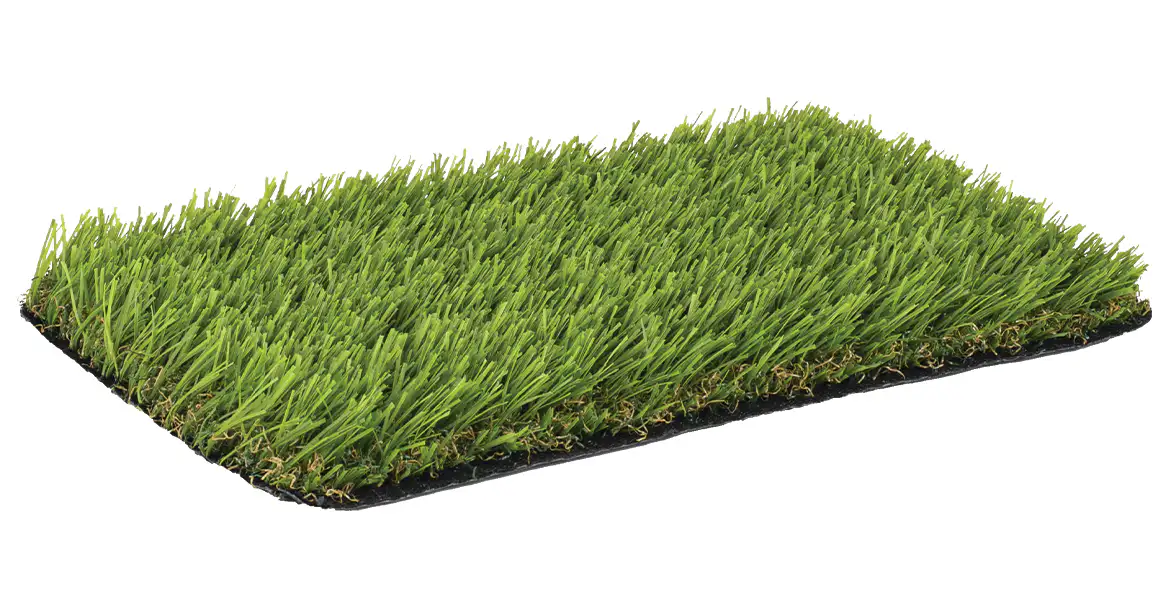
Color and Thatch
Mixed green shades and shorter curled fibers can create visual depth and a less uniform manufactured appearance.
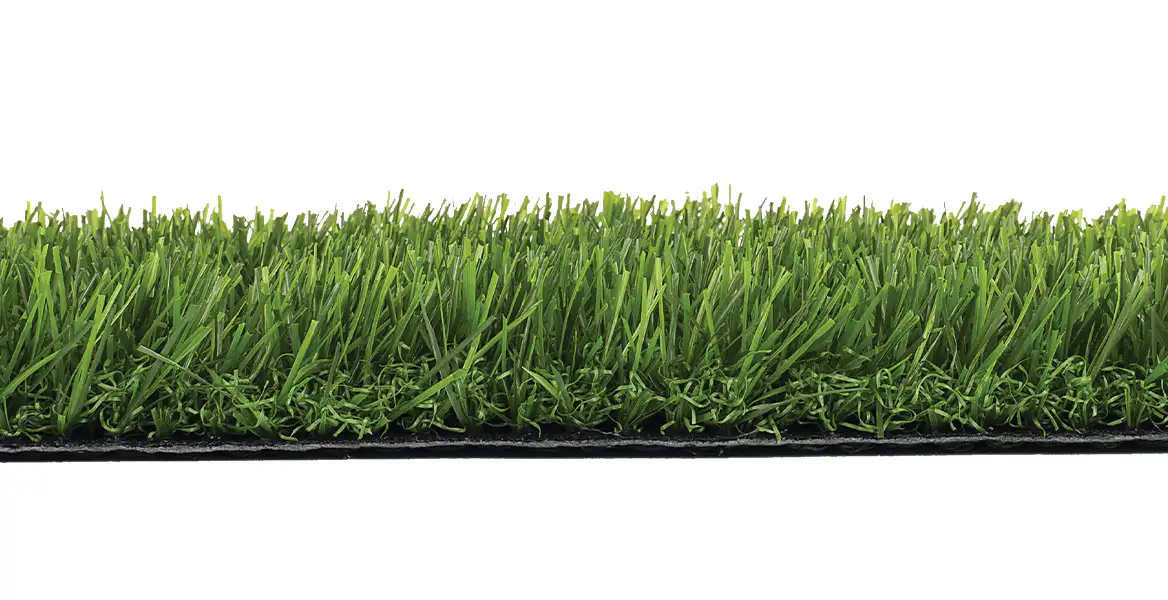
Pile and Backing Profile
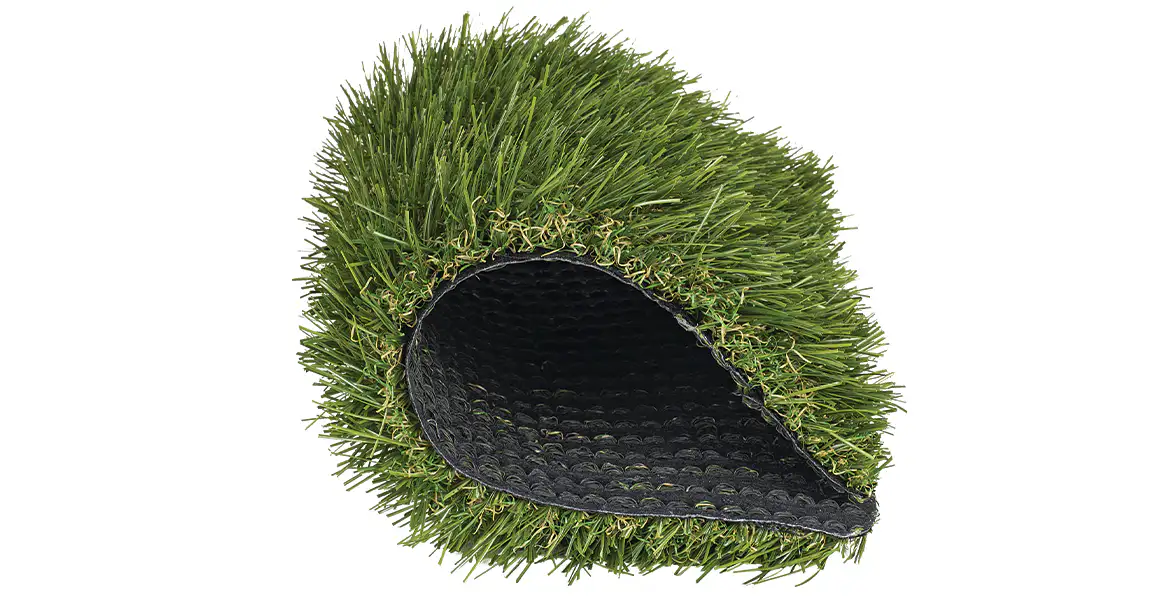
Inspect the visible pile height, yarn distribution, backing construction and the condition of the finished sample edges.
Garden Artificial Grass Specifications to Compare
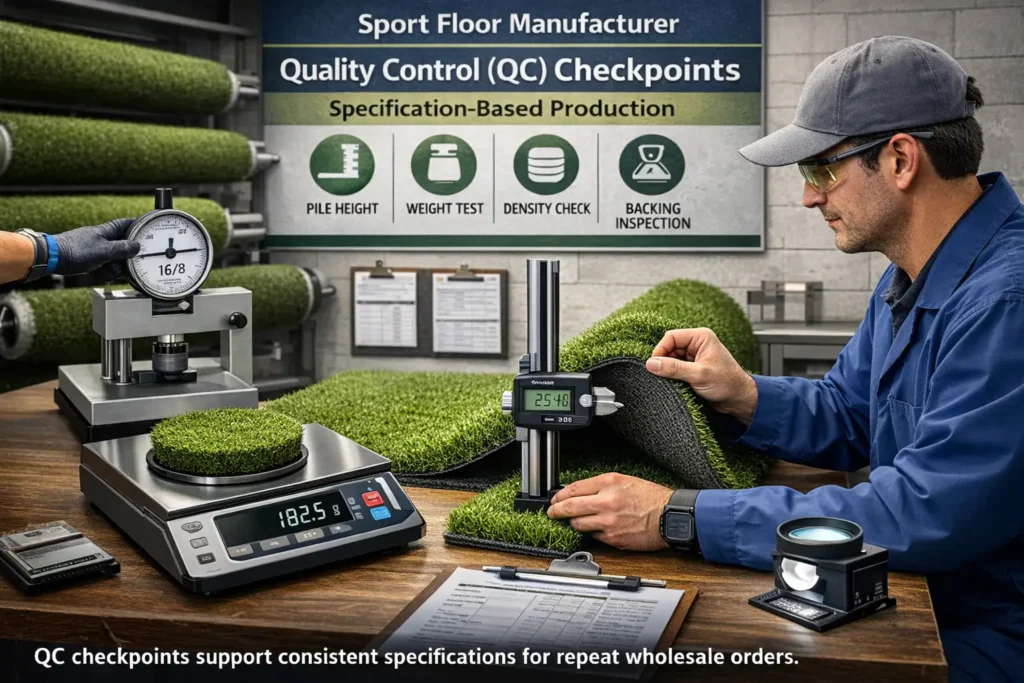
Ask for the exact specification of the offered model and keep the same values in the sample approval, quotation and purchase order.
| Specification | What to Review | Why It Matters |
|---|---|---|
| Intended Use | Residential garden, rooftop, courtyard, hotel, poolside area or commercial landscape. | Defines the required appearance, traffic resistance and installation method. |
| Pile Height | The visible yarn length above the backing. | Influences the profile and feel but does not determine quality by itself. |
| Yarn Material | The polymer and yarn construction stated for the offered model. | Influences softness, recovery, appearance and expected application. |
| Blade Shape | Flat, curved, ribbed or another shaped monofilament profile. | Contributes to fiber recovery, light reflection and visual character. |
| Dtex | The stated yarn mass over a defined length. | Helps compare yarn construction when evaluated with density and blade design. |
| Gauge | The distance between tufting rows. | Works with stitch rate to define the arrangement of the fibers. |
| Stitch Rate | The number of stitches along a measured roll length. | Contributes to total density and visual coverage. |
| Total Density | The number and distribution of tufts or stitches per square meter. | Influences coverage, fullness and suitability for the expected traffic. |
| Total Weight | The total product weight, including yarn and backing. | Supports comparison but should not replace a review of the individual components. |
| Backing | Primary fabric, secondary coating, tuft retention and dimensional condition. | Supports product stability, handling and joint quality. |
| Drainage | Product perforations and the proposed drainage path below the turf. | Water must move through or away from the complete installed system. |
| Roll Dimensions | Available roll width and length for the selected model. | Affects seams, cutting waste, packing and shipment planning. |
| UV and Weather Data | Available test information applicable to the exact offered product. | Supports evaluation for outdoor exposure and the project climate. |
| Required Documents | Technical data, safety information, packing details and available test reports. | Provides a documented basis for technical approval and procurement. |
How Garden Artificial Grass Is Installed
The installation method must be adjusted to the existing surface, drainage design, edge conditions, expected traffic and local environment.
Survey the Area
Measure the site, identify levels, slopes, obstacles, drainage points and the direction in which the turf fibers will face.
Prepare the Substrate
Remove unstable materials and prepare a level, compact and drainable base appropriate for soil, concrete, tile or rooftop installation.
Plan Roll Direction
Arrange the cutting plan so adjoining pieces face the same direction and visible seams are minimized.
Cut and Join the Rolls
Trim the edges accurately and connect adjoining rolls using approved jointing tape and adhesive suitable for the installation.
Secure the Perimeter
Fix edges and transitions according to the substrate and project design so the turf remains stable during use and cleaning.
Finish and Brush
Apply the specified infill where required, brush the fibers, clean the area and inspect joints, edges and drainage paths.
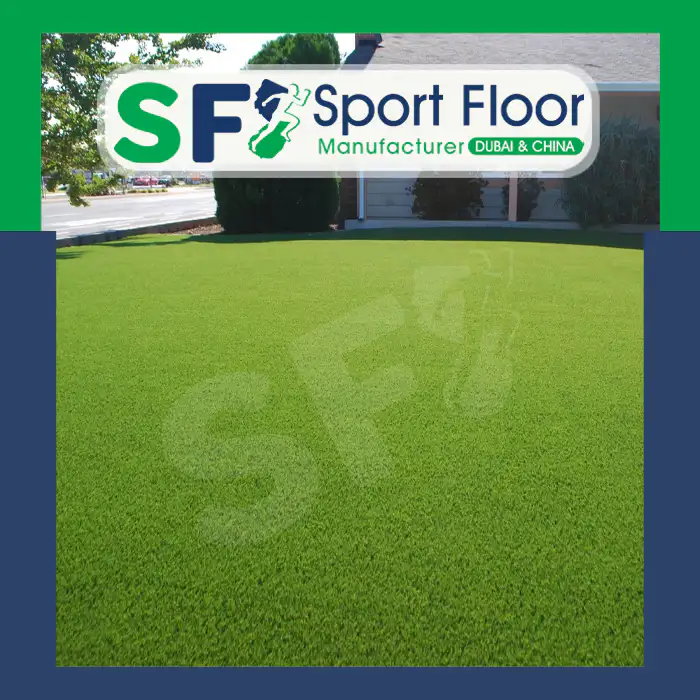
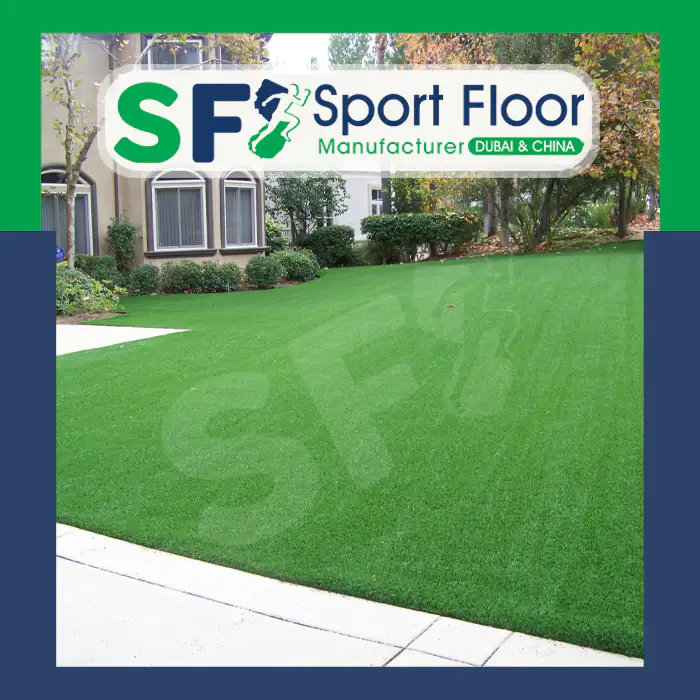
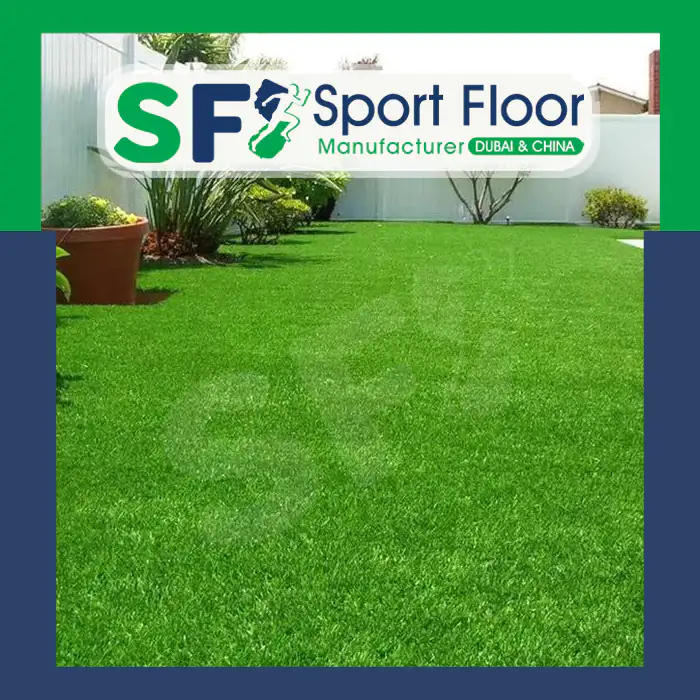
Artificial Grass Garden Ideas
Artificial Grass and Outdoor Water Use
Covering a landscape area with artificial grass removes the need to irrigate natural lawn within that specific area. This can be relevant in projects where irrigation water is limited or where maintaining natural turf is operationally difficult.
Artificial turf should not automatically be described as having no environmental impact. Project evaluation should also consider product composition, surface temperature, drainage, cleaning, service life, repair and available end-of-life options.
A balanced landscape can combine artificial turf with trees, regionally appropriate plants, shaded seating, permeable areas and efficient irrigation for living plants.
- Use artificial turf only where it serves a clear functional or visual purpose.
- Retain planting areas where they support shade, biodiversity and site comfort.
- Provide drainage paths that do not transfer water problems to adjoining areas.
- Confirm surface temperature considerations in exposed hot-climate locations.
How to Maintain Garden Artificial Grass
Artificial turf does not require mowing or fertilizing, but regular cleaning and inspection protect its appearance and installation condition.
Remove Leaves and Debris
Remove loose material before it accumulates, affects appearance or restricts drainage openings.
Brush the Fibers
Use suitable non-metallic equipment to lift flattened fibers and redistribute infill where it is part of the system.
Clean Spills Promptly
Remove spills using cleaning methods compatible with the turf and avoid aggressive chemicals that may affect fibers or backing.
Inspect Joints and Edges
Repair loose seams, lifted edges or damaged sections before the affected area becomes larger.
How to Request a Garden Artificial Grass Quotation
Complete project information helps determine the correct model, quantity, cutting plan, accessories, packing and delivery basis.
Describe the Project
State whether the project is a private garden, rooftop, balcony, hotel, compound, commercial landscape or another application.
Provide the Total Area
Send the net square meters together with dimensions or drawings when roll planning and waste calculation are required.
Select the Pile Height
State the required pile height or describe the desired appearance and traffic level for a suitable recommendation.
Identify the Substrate
Confirm whether the turf will be installed over prepared soil, concrete, tiles, a rooftop or another surface.
List the Accessories
State whether the enquiry includes jointing tape, adhesive, geotextile, infill or other installation materials.
Provide the Destination
Include the country, city or destination port and the preferred delivery basis, such as EXW, FOB or CIF.
Continue Planning Your Artificial Grass Project
Garden Artificial Grass FAQ
What is the best artificial grass for a garden?
The best option depends on the desired appearance, foot traffic, climate, installation surface and budget. Compare pile height, yarn, density, backing, drainage and available technical documentation.
Is 2 cm, 3 cm, 4 cm or 5 cm artificial grass better?
No single height is best for every project. Shorter turf can be practical for compact or decorative spaces, while taller turf may provide a fuller appearance. Density and yarn construction must support the selected pile height.
Can artificial grass be installed over concrete or tiles?
Yes, when the surface is stable, clean and suitably drained. The fixing method, jointing materials and edge details should be selected for the existing substrate.
Can artificial grass be installed directly over soil?
It should not normally be laid over loose or untreated soil. The area requires excavation or preparation, compaction, drainage planning and a stable base suitable for the installation.
Does garden artificial grass require infill?
Infill requirements depend on the selected product and installation. Some landscape systems use silica sand to support fibers and add stability, while other models may require a different quantity or no infill.
Does artificial grass drain rainwater?
Many products include drainage perforations, but effective drainage depends on the complete installation, including the base, slope, outlets and surrounding landscape levels.
Does artificial garden grass become hot in sunlight?
Synthetic surfaces can become warmer in direct sunlight. Temperature depends on color, material, infill, shade, airflow and climate. Shading and appropriate landscape design should be considered.
Is artificial grass safe for children and pets?
Safety must be verified using documentation for the exact offered product and intended market. For playground fall protection, a complete tested impact-absorbing system may be required.
How do I clean garden artificial grass?
Remove leaves and debris, brush the fibers with suitable equipment and clean spills promptly using methods compatible with the product. Inspect joints, edges and drainage regularly.
How should I compare artificial grass prices?
Compare offers using the same pile height, yarn, dtex, density, backing, roll dimensions, accessories, quantity, destination and delivery term.
What information is needed for a quotation?
Provide the project type, total area, required pile height, installation surface, drawings where available, required accessories, destination and preferred delivery basis.