










Tartan Courts and PU Sports Surface Systems
Explore polyurethane sports flooring systems for running tracks, schools, clubs, training facilities and multi-sport courts. Compare applications, system families, materials, base requirements, installation scope and the project information required for an accurate commercial quotation.
Illustrative PU Surface Build-Up
This is a category illustration. The actual layer sequence, materials, thickness and permeability depend on the selected court or track system.
What Are Tartan Courts?
“Tartan” is a widely used commercial term for polyurethane and rubber-based sports surfaces. The term can refer to several different court and running-track constructions, so procurement should be based on the complete system rather than the word tartan alone.
A PU sports surface may combine polyurethane primers, PU binders, SBR rubber granules, EPDM granules, pore-sealing materials, self-levelling polyurethane, spray coatings, textured top layers and line-marking paint.
The correct construction depends on the primary sport, indoor or outdoor exposure, required permeability, base condition, expected traffic, project budget and any specified performance testing.
A running track and a ball-sports court may both be called tartan, but their layer construction, texture, markings and technical requirements can be substantially different.
System Defined
The finished performance depends on every layer, not only the colored top surface.
Base Dependent
Cracks, moisture, levels and drainage can materially affect the selected construction.
Application Specific
Running tracks, tennis courts and multi-sport areas require different design decisions.
Test Dependent
Shock absorption, deformation, friction and other claims require exact test documentation.
Project Specific
Thickness, permeability, texture, colors and markings vary by specification.
Scope Specific
Materials supply, supervision, installation and turnkey work should be priced separately.
Seamless Construction
Many liquid-applied PU systems create a continuous surface when installed according to the specified method.
Resilient Options
Selected systems may include rubber or polyurethane layers designed to provide a documented resilient response.
Multiple Finishes
Surface texture, permeability and final appearance depend on the selected system family.
New or Existing Bases
PU systems may be considered for new projects or suitable resurfacing work after technical assessment.
Explore PU Systems, Materials and Sports Applications
Use the category pages below to move from general system selection to the exact application, material or procurement requirement.
Tartan Systems
Compare PU court systems and track constructions according to layers, permeability, use and base condition.
Compare PU systems → System ComponentsTartan Materials
Review primers, PU binders, SBR, EPDM, sealers, topcoats and line-marking materials.
Review system materials → Athletics ApplicationTartan Running Track
Plan polyurethane athletics tracks according to use, system, geometry, base and certification requirements.
Explore PU running tracks → Racquet SportsTartan Tennis Court
Review PU tennis court construction, base preparation, surface response and quotation information.
Explore PU tennis courts → Basketball ApplicationTartan Basketball Court
Plan PU basketball courts for schools, clubs and selected recreational or training facilities.
Explore PU basketball courts → Volleyball ApplicationTartan Volleyball Court
Review volleyball dimensions, net equipment, PU build-up and indoor or outdoor system considerations.
Explore PU volleyball courts → Handball ApplicationTartan Handball Court
Review handball court systems, goals, safety zones, markings and resilient-floor requirements.
Explore PU handball courts → Shared Sports FacilityTartan Multi-Purpose Court
Coordinate primary and secondary sports, equipment and line colors on a shared PU surface.
Explore multi-purpose courts → Track Decision GuideRunning Track Systems
Compare Full PU, Sandwich, Spray Coat and other synthetic track system families.
Compare running-track systems → Manufacturing and ProcurementPU Athletic Track Manufacturer
Review material supply, project documentation, export packaging and implementation scope.
Review track procurement → Commercial SupplyPU Sports Flooring Manufacturer
Explore PU flooring supply for courts, tracks and commercial sports projects.
Review PU flooring supply → ApplicationsSports Flooring Projects
Review sports-surface and facility applications across the wider Sport Floor project portfolio.
View projects →Where Tartan and PU Sports Surfaces May Be Used
Suitability depends on the exact system, playing level, base, environment and technical specification.
Running Tracks
School, training and project-dependent competition tracks using a system selected for the required performance and permeability.
Multi-Sport Courts
Shared school and community courts with controlled line hierarchy and equipment planning.
Basketball Courts
Resilient PU surfaces for project-dependent indoor or outdoor basketball applications.
Volleyball Courts
PU surface systems coordinated with volleyball lines, posts, nets and required free space.
Handball Courts
Sports surfaces designed around handball markings, goals, safety zones and facility use.
Tennis Courts
Project-dependent PU tennis systems requiring separate review of court response and playing characteristics.
School Activity Areas
Recreation and physical-education zones designed for the intended activities and user ages.
Warm-Up and Training Areas
Supporting sports zones selected according to traffic, equipment and maintenance requirements.
Common Tartan and PU Surface Constructions
The names below describe broad system families. The final construction must be confirmed from the exact technical specification.
PU Court System
A polyurethane sports-court construction designed for selected ball-sports or multi-sport applications.
- Prepared concrete or asphalt base.
- Compatible primer.
- Elastic or levelling layers where specified.
- PU wearing surface.
- Color finish.
- Sport line markings.
Sandwich Track System
A multi-layer athletics construction often combining a rubber base layer with sealed PU and an upper wearing surface.
- Asphalt base commonly specified.
- PU-bound SBR base layer.
- Pore sealing.
- PU upper construction.
- EPDM or textured wearing layer.
- Track markings.
Spray Coat Track System
A porous or semi-porous system family using a resilient rubber base with a spray-applied upper surface.
- Prepared draining base.
- PU-bound rubber layer.
- Spray-applied PU and granule finish.
- System-dependent permeability.
- Color and markings.
- Project-specific performance.
Full PU Track System
A dense polyurethane-based athletics construction selected for specified performance requirements.
- Engineered supporting base.
- Compatible PU primer.
- Multiple PU elastic layers.
- Granule broadcast where specified.
- Final PU wearing layer.
- Testing and documentation as required.
Resurfacing System
A renovation construction for a suitable existing PU or rubber sports surface.
- Existing-system identification.
- Adhesion and compatibility testing.
- Local repairs.
- Levelling or sealing where required.
- Replacement wearing layer.
- New markings.
Project-Specified Hybrid System
A consultant-defined build-up combining approved components for a particular application.
- Defined material references.
- Specified layer thicknesses.
- Approved installation method.
- Performance test criteria.
- Quality-control requirements.
- Handover documentation.
Typical Layers in a PU Sports Surface
Structural Base
Concrete or asphalt designed to provide structural support, correct levels and drainage falls.
Surface Preparation
Cleaning, grinding, repairs and removal of contamination or weak material.
Primer
A substrate-compatible material used to support adhesion between the base and later PU layers.
Resilient Base Layer
SBR rubber and PU binder or another elastic construction where included in the system.
Pore Sealer
Used in selected systems to close or control the pores in the rubber base layer.
PU Elastic Layer
Self-levelling or poured polyurethane included where required by the specified construction.
Wearing Surface
EPDM granules, textured PU coating or another approved upper surface.
Line Marking
Compatible paint applied to the approved sport or athletics setting-out plan.
Base Preparation, Moisture and Drainage
A high-quality PU material cannot compensate for an unstable or poorly drained supporting base.
Concrete Base
Review curing, moisture, joints, laitance, contamination, strength and primer compatibility.
Asphalt Base
Confirm compaction, stability, age, levels, drainage and compatibility with the selected PU system.
Existing PU Surface
Identify the old system and test adhesion before applying new materials.
Cracks and Movement
Determine whether defects are inactive surface cracks or evidence of structural movement.
Levels and Flatness
Inspect depressions, abrupt transitions and irregularities that could affect the finished surface.
Water Ponding
Identify standing water and resolve the cause before final surfacing.
Permeable Systems
Coordinate the porous surface with a base and drainage arrangement capable of receiving water.
Impermeable Systems
Provide designed surface falls and outlets rather than relying on water passing through the surface.
Environmental Conditions
Temperature, humidity, wind, rain and substrate moisture influence PU application and curing.
How to Select the Correct Tartan System
| Selection Factor | Questions to Confirm | Effect on the System |
|---|---|---|
| Primary Application | Running track, basketball, volleyball, handball, tennis or multi-sport use? | Determines surface construction, texture, lines and equipment interfaces. |
| Playing Level | Recreational, school, training, club or formal competition? | Influences performance requirements, testing and documentation. |
| Indoor or Outdoor | What climate, moisture and building conditions apply? | Affects material selection, drainage and environmental limits. |
| Base Type | Concrete, asphalt or existing sports surface? | Determines preparation, primer and compatibility requirements. |
| Base Condition | Are there cracks, moisture, ponding, weak layers or movement? | May require repairs or rule out a simple resurfacing approach. |
| Permeability | Should the surface drain through the system or shed water at the top? | Changes the base and full layer design. |
| Resilient Performance | Are shock absorption or deformation values specified? | Requires a documented system and applicable test reports. |
| Surface Texture | What friction, ball response or athletics finish is required? | Determines the upper wearing layer and application method. |
| System Thickness | Is a specific build-up or minimum thickness stated? | Affects material quantities, cost and performance. |
| Certification | Is product certification, facility certification or neither required? | Controls product selection, testing and project procedures. |
| Commercial Scope | Materials only, supervision, installation or turnkey work? | Determines responsibilities, exclusions and quotation format. |
| Destination | What country, city, port and delivery term apply? | Affects packaging, shipping, documents and commercial pricing. |
Materials Supply, Supervision and Turnkey Execution
Materials-Only Supply
Supply of the specified PU and rubber-surface materials for installation by the buyer’s approved contractor.
- Material schedule.
- Packaging and quantities.
- Technical data sheets.
- Safety data sheets.
- Mixing and application guidance.
- Export documents as agreed.
Materials with Technical Support
Material supply supported by remote or project-dependent on-site technical guidance.
- System selection support.
- Base-readiness checklist.
- Application sequencing.
- Consumption planning.
- Installation guidance.
- Inspection records as agreed.
Turnkey or Installed Scope
Project-dependent implementation covering agreed base, surface, markings and handover activities.
- Site survey and mobilisation.
- Base scope as agreed.
- PU system installation.
- Line marking.
- Testing where specified.
- Handover documentation.
Typical PU Sports Surface Installation Process
Define the Application
Confirm the sport, playing level, system requirements and project scope.
Survey the Base
Review dimensions, levels, moisture, cracks, drainage and access.
Approve the System
Confirm the material references, layer schedule and required test documents.
Prepare the Surface
Remove weak material and contamination and complete approved repairs.
Apply the Primer
Use the compatible product within the specified environmental limits.
Install Resilient Layers
Apply the specified rubber or PU elastic construction.
Seal or Level
Complete pore sealing or self-levelling layers where included.
Apply the Wearing Surface
Install the specified EPDM, spray or PU top construction.
Complete Markings
Set out and apply the approved sport or track line plan.
Inspect the Surface
Review appearance, thickness, adhesion and other agreed controls.
Perform Required Testing
Complete only the tests identified in the project specification.
Handover the Facility
Submit agreed records, maintenance guidance and completion documents.
Tartan Court, Track and Material Applications
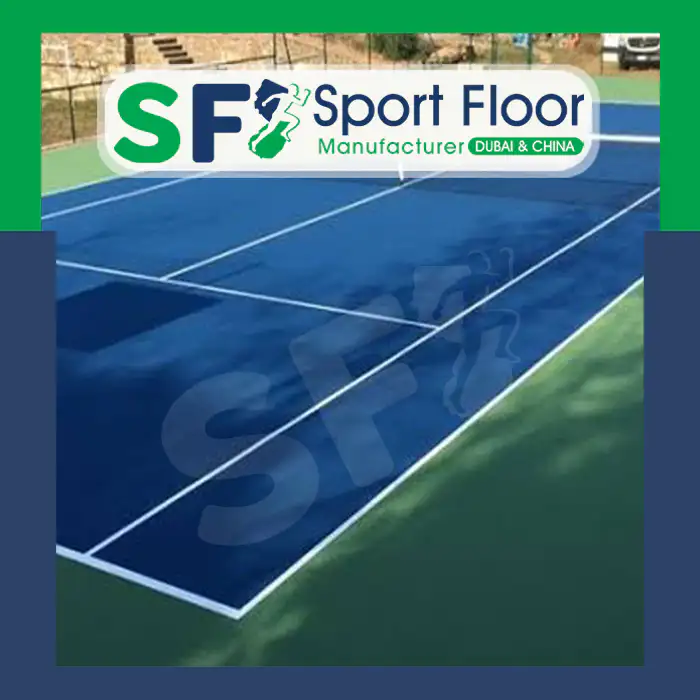
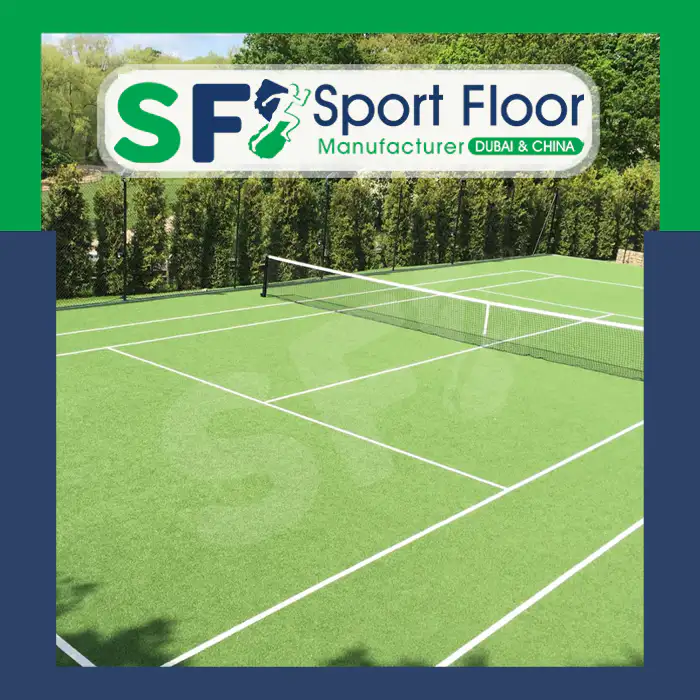
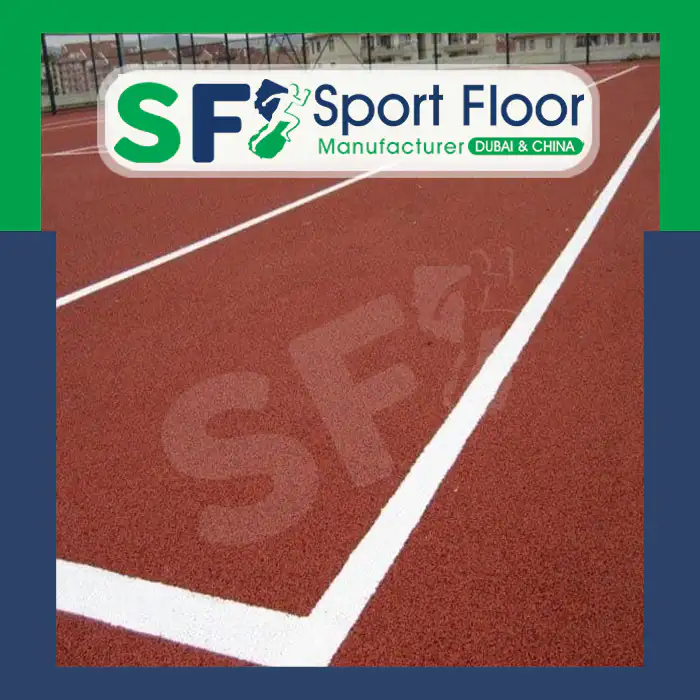
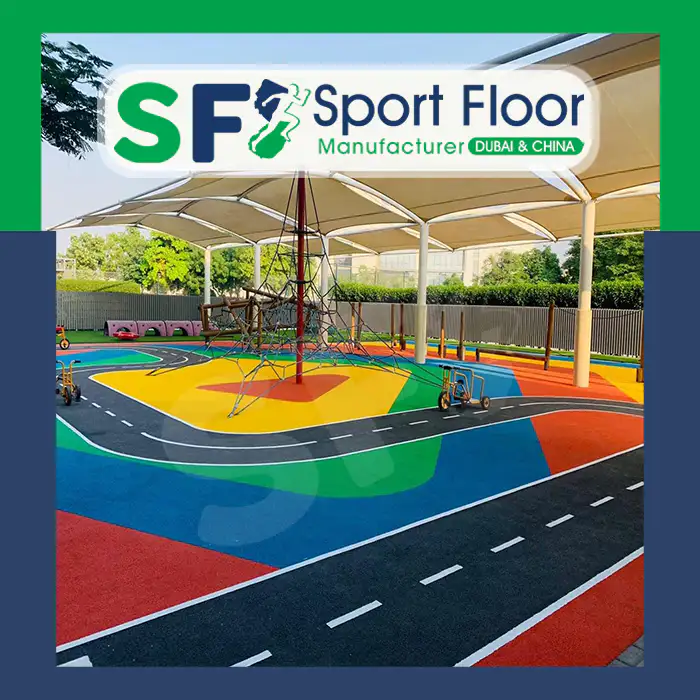
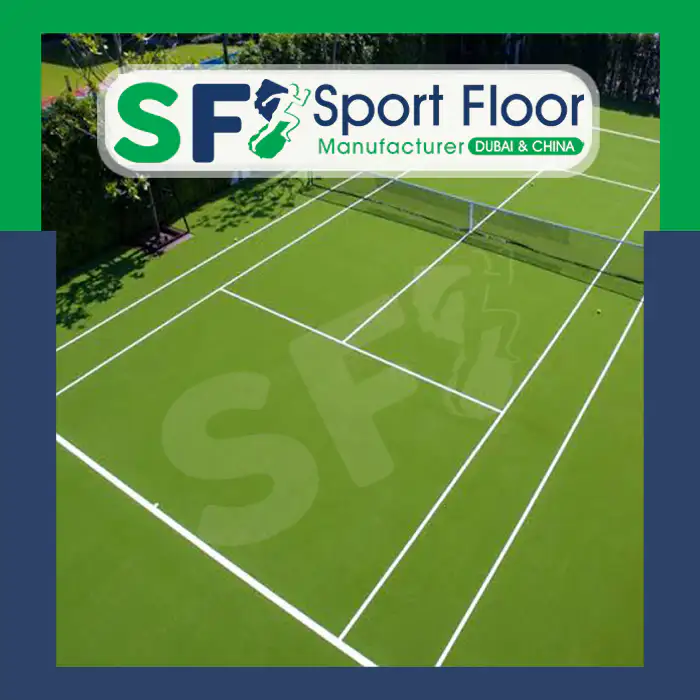
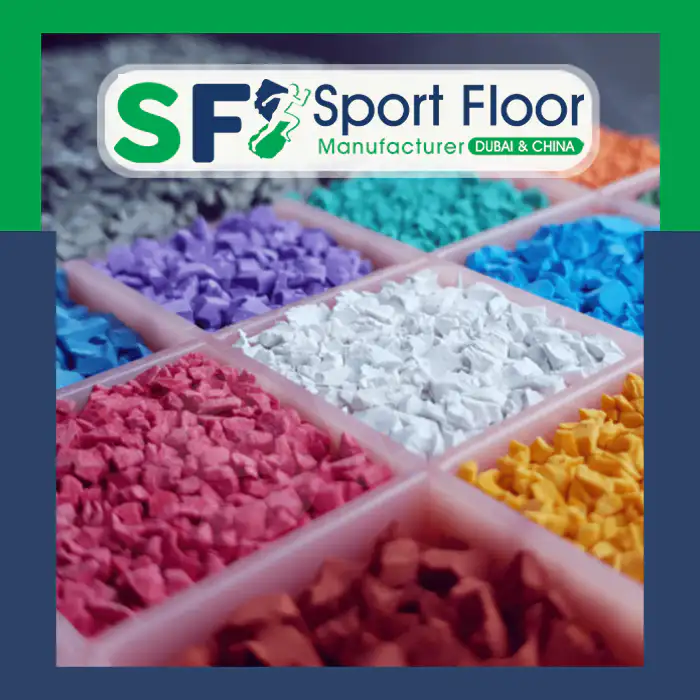
Every image in this gallery uses the same original square dimensions. The images illustrate applications and materials only and do not prove a particular system build-up or certification.
Information Required for a Tartan Court or PU Surface Quote
Application
State the sport, running-track type or intended facility use.
Total Area
Provide the complete surface area in square metres.
Drawings
Send dimensions, layouts, details and applicable specifications.
Base Information
Identify concrete, asphalt or existing surface and describe its condition.
System Preference
State the requested system or ask for a comparison.
Performance Requirements
List required thicknesses, tests, standards or certifications.
Colors and Markings
Provide the surface colors, logos and line-marking plan.
Commercial Scope
Confirm materials only, supervision, installation or turnkey work.
Destination
Provide the country, city and nearest port where relevant.
Delivery Term
State the preferred Incoterms® rule or request a commercial option.
Required Date
Provide the procurement, delivery or project-completion target.
Documentation
List TDS, SDS, tests, method statement or tender documents needed.
Product Certification Is Not the Same as Facility Certification
Certification terminology should be used only when the required documents identify the exact product or completed facility.
Certified Product
A certificate may apply to a specific synthetic track surface product and its defined construction.
Certified Facility
A completed athletics facility may require separate measurement, testing, documentation and approval.
Test Report
A laboratory report should identify the tested sample, method, result and relevant product.
Technical Data Sheet
Describes the product, intended use, application and technical properties.
System Declaration
Identifies the complete build-up, materials and specified thicknesses.
Project Compliance
Should be assessed against the exact contract specification and governing requirements.
Technical Documents and Commercial Delivery Guidance
Tartan Courts and PU Sports Surface FAQ
What is a tartan court?
Tartan court is a commercial term commonly used for polyurethane and rubber-based sports surfaces. The exact construction varies according to the sport, base and specified system.
Is tartan the same as polyurethane sports flooring?
Tartan is often used as a general market term, while polyurethane sports flooring more accurately describes the PU materials used in many of these systems.
What materials are used in tartan surfaces?
Depending on the system, materials may include PU primer, PU binder, SBR rubber granules, EPDM granules, pore sealer, self-levelling polyurethane, spray coating and line paint.
Are tartan courts always made with EPDM?
No. Some systems use EPDM in the upper wearing layer, while others use a textured polyurethane or spray-applied finish.
Does every tartan surface absorb shock?
No. Resilient performance depends on the complete construction. Any shock-absorption claim should be supported by documentation for the exact system.
Can tartan surfaces be installed over concrete?
Project-dependent PU systems may be installed over suitable concrete after reviewing moisture, curing, joints, preparation and primer compatibility.
Can tartan surfaces be installed over asphalt?
Yes, many sports and track systems use a prepared asphalt base. The asphalt must be stable, properly constructed and compatible with the selected system.
Are tartan surfaces permeable?
Some system families are permeable or porous, while others are dense and impermeable. Confirm the full build-up and drainage design.
What is the difference between PU court and track systems?
They may use related materials, but the layer construction, texture, resilience, thickness, markings and testing can differ substantially.
Can an existing tartan surface be resurfaced?
It may be resurfaced after identifying the existing system and assessing adhesion, cracks, base movement, drainage and material compatibility.
Are all tartan running tracks World Athletics certified?
No. Product certification and completed-facility certification must be verified separately for the exact project.
What is the difference between a certified product and facility?
A product certificate applies to an identified surface product. A facility certificate assesses a completed athletics facility and its applicable measurements, construction and testing.
How is tartan court pricing calculated?
Pricing depends on total area, base condition, system type, layer schedule, material quantities, markings, installation, testing, documentation and destination.
Can Sport Floor supply materials without installation?
Materials-only supply may be quoted where the system, quantities, destination, documentation and local installer responsibilities are defined.
What information is needed for a quotation?
Provide the application, area, drawings, base type and condition, preferred system, performance requirements, colors, commercial scope, destination and delivery term.