
Artificial Grass for Sports Fields, Courts and Playgrounds
Artificial turf solutions for football fields, padel courts, multi-sport facilities, schools, recreational areas and playground projects. Select the complete system by sport, pile height, yarn, density, backing, infill, shock absorption, drainage and expected use.
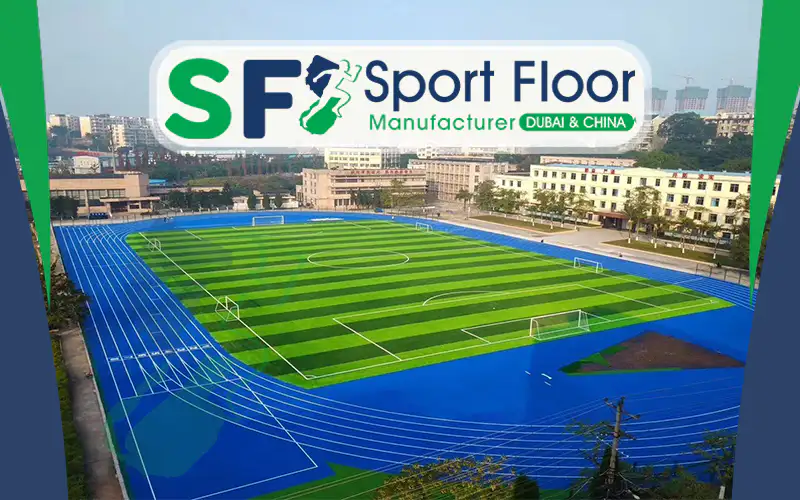
What Is Artificial Grass for Sports Fields?
Sports artificial grass is an engineered surface designed for a defined activity such as football, padel, multi-sport recreation or school use. The synthetic yarn is tufted into a reinforced backing and may be combined with silica sand, performance infill, a shock pad and a prepared drainage base.
The correct turf cannot be selected from color or pile height alone. A football field, padel court and school activity area require different surface constructions because ball behavior, traction, player interaction, frequency of use and maintenance requirements are different.
Technical approval should therefore cover the entire proposed system. This includes the turf, infill, shock pad where required, joints, line markings, base, drainage and maintenance plan.
Sport-Specific Design
Each sport requires a suitable combination of pile height, yarn, density, infill and surface response.
Complete System Review
Turf selection must be coordinated with the base, drainage, jointing, infill and any required shock pad.
Use and Maintenance
Expected playing hours, climate, dust, footwear and maintenance resources influence the final specification.
Documented Approval
Product data, testing, batch details and installation requirements should match the approved project system.
Artificial Turf Solutions for Sports and Recreational Facilities
Use the dedicated page for each application to review its specific turf construction, installation requirements and quotation checklist.
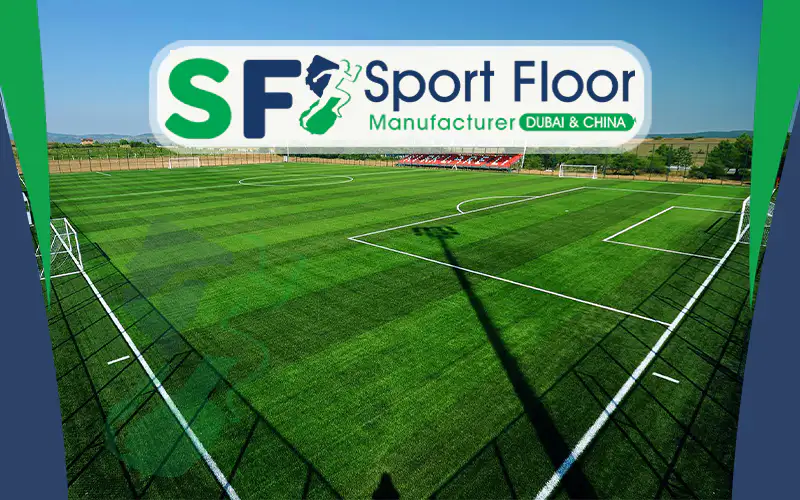
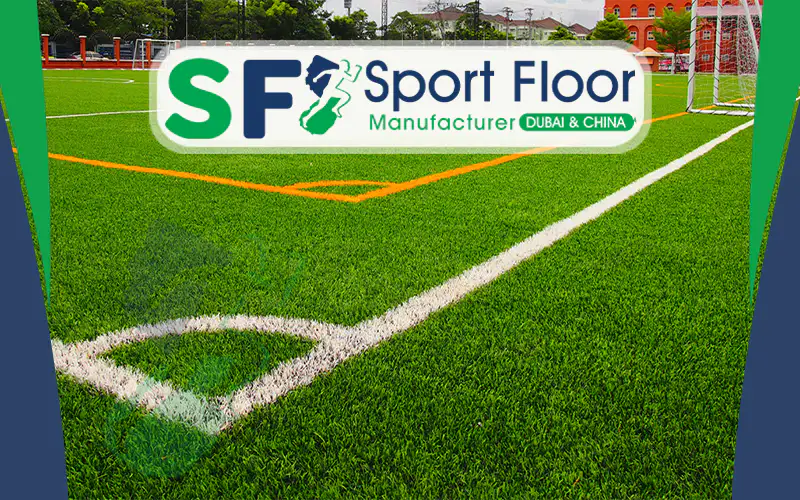
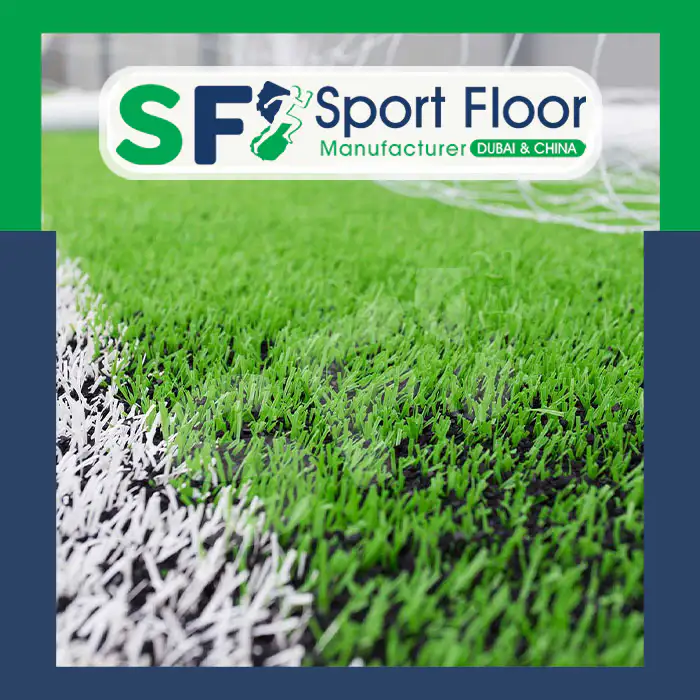
Football Artificial Grass
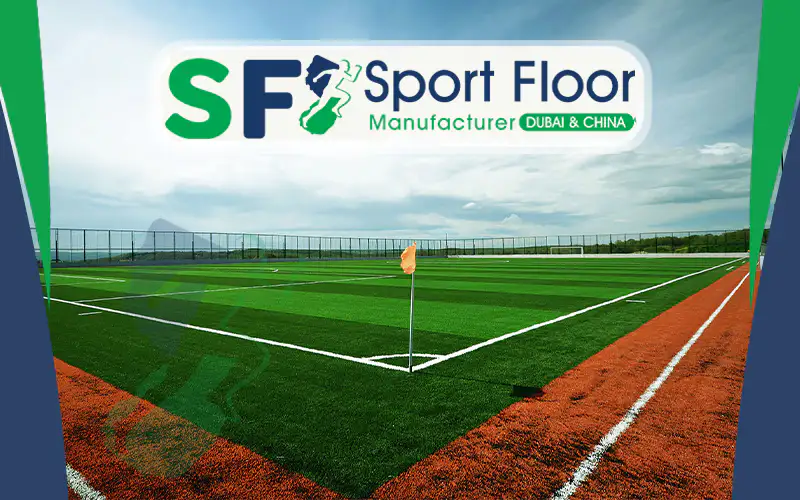
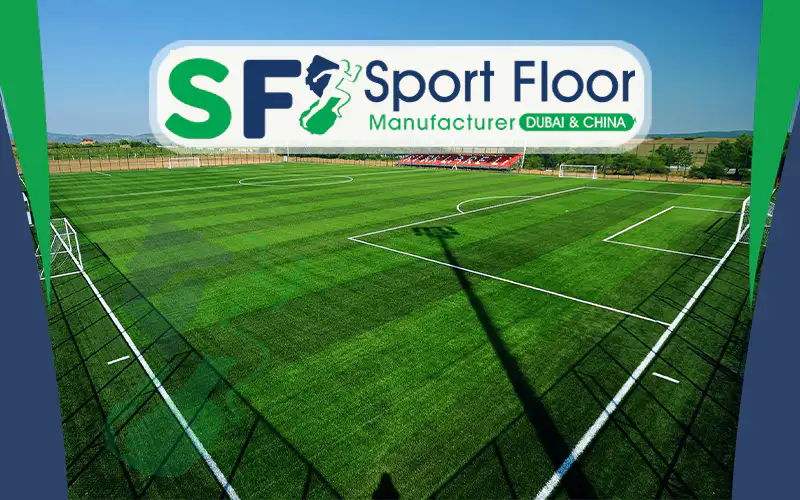
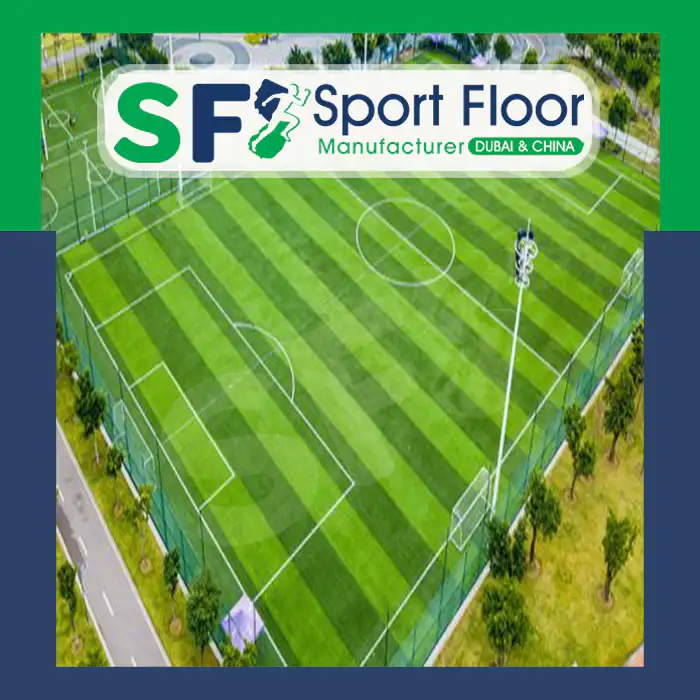
Football turf is selected as a complete field system that coordinates the yarn, pile height, infill, shock pad, base, drainage and intended level of play.
Explore football artificial grass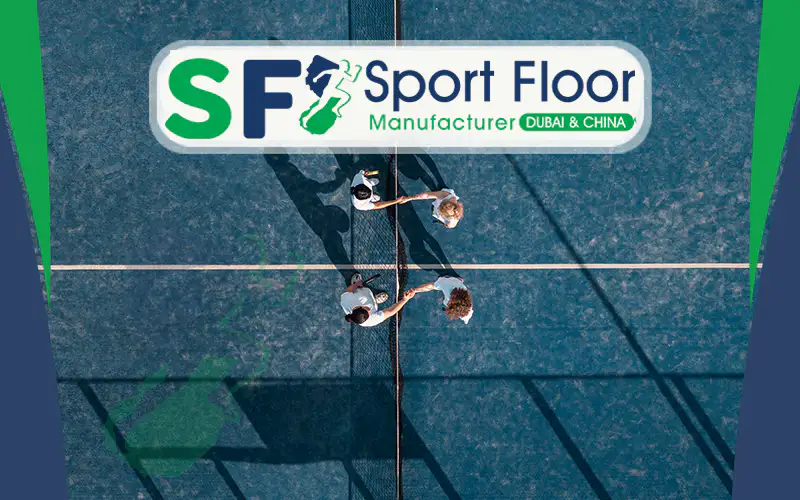
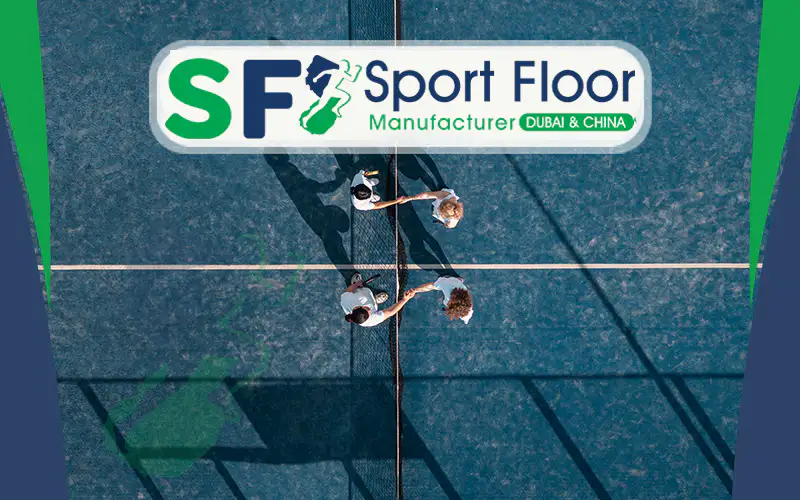
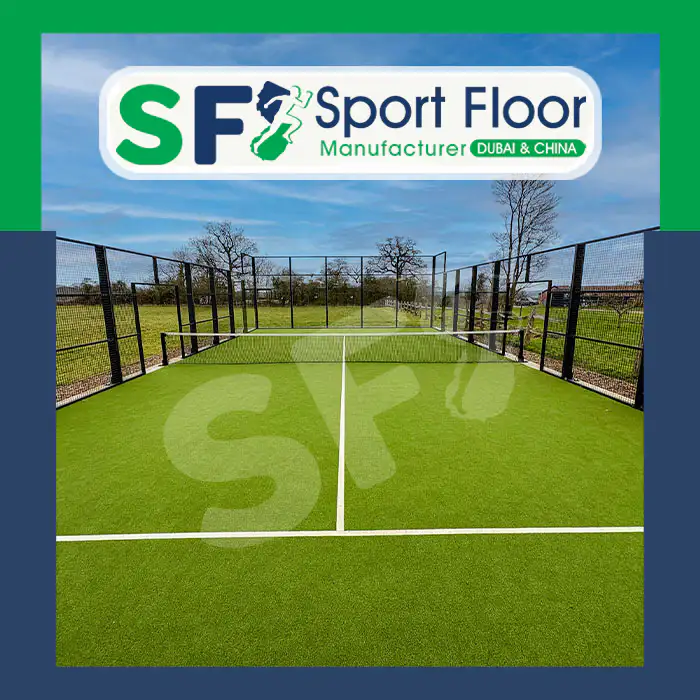
Padel Artificial Grass
Short-pile padel turf should provide a uniform playing surface with the specified sand distribution, ball response, traction and court color.
Explore padel artificial grass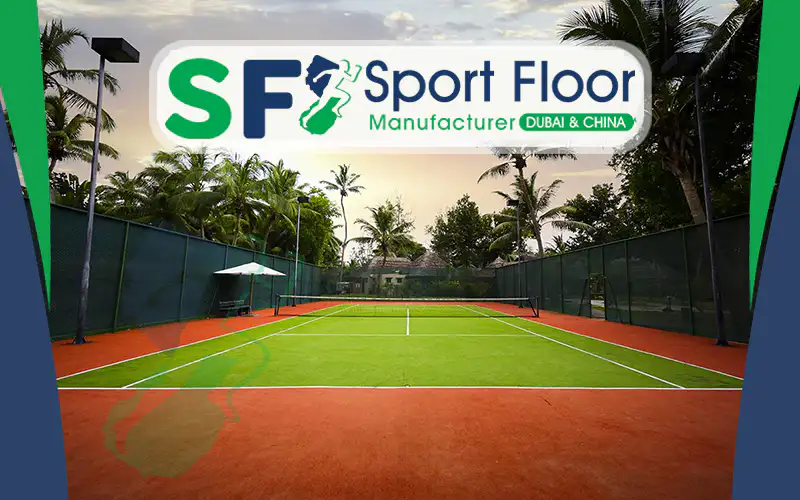
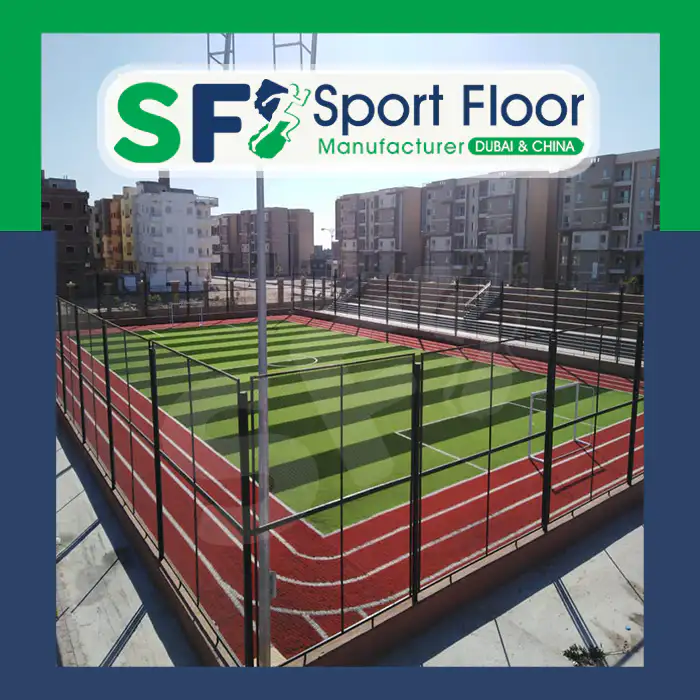
Multi-Sport Artificial Grass
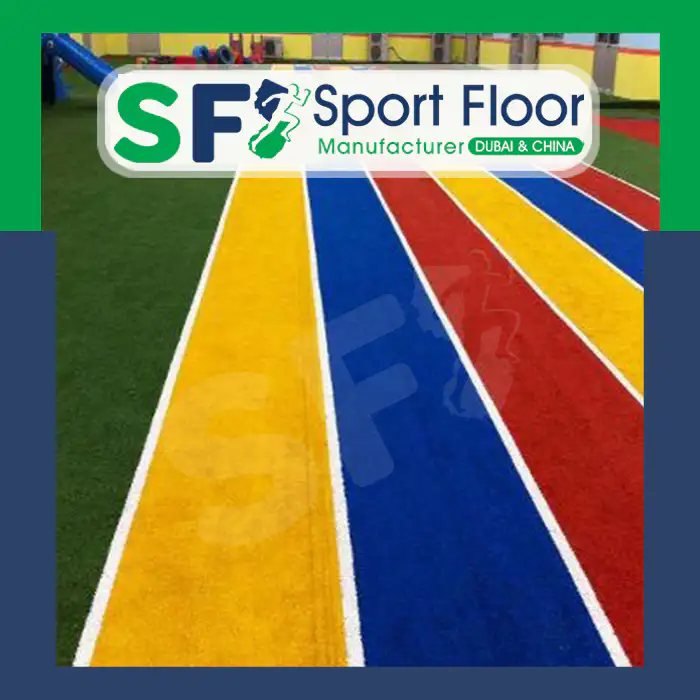
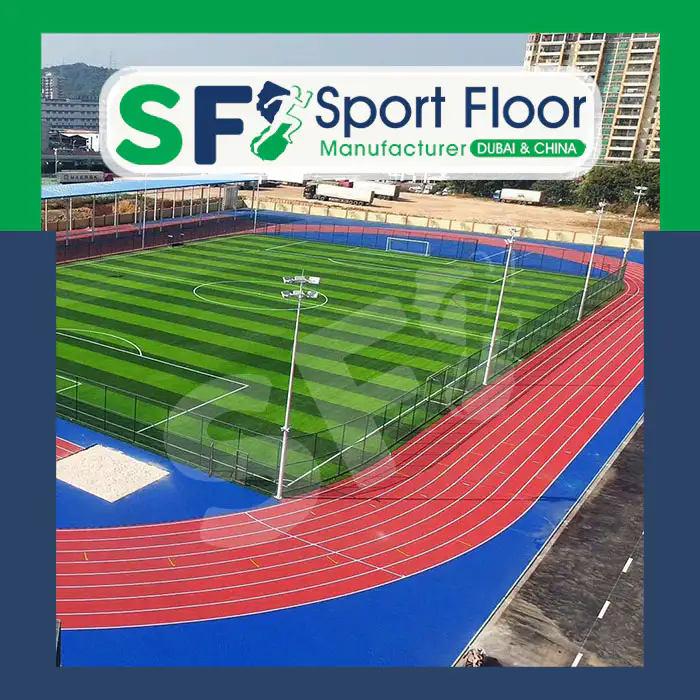
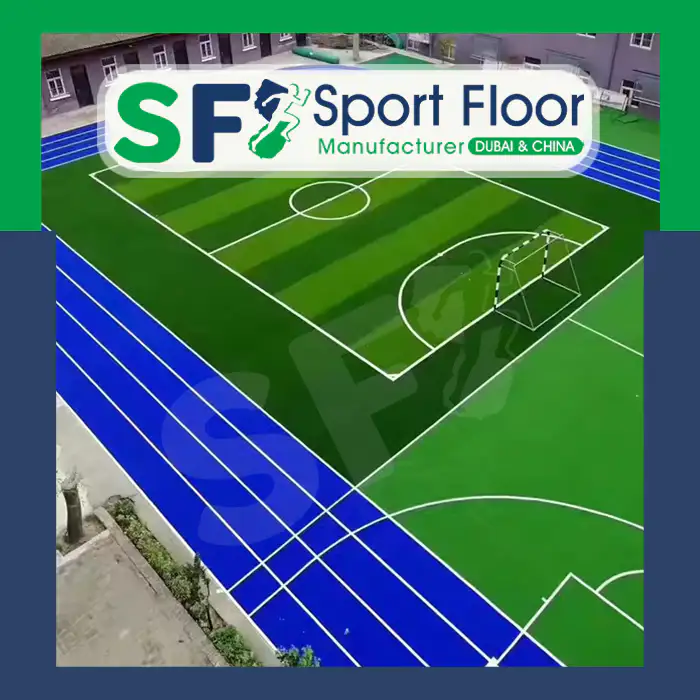
Multipurpose turf supports schools, clubs, communities and recreational facilities where one area is planned for several sports and activities.
Explore multi-sport artificial grass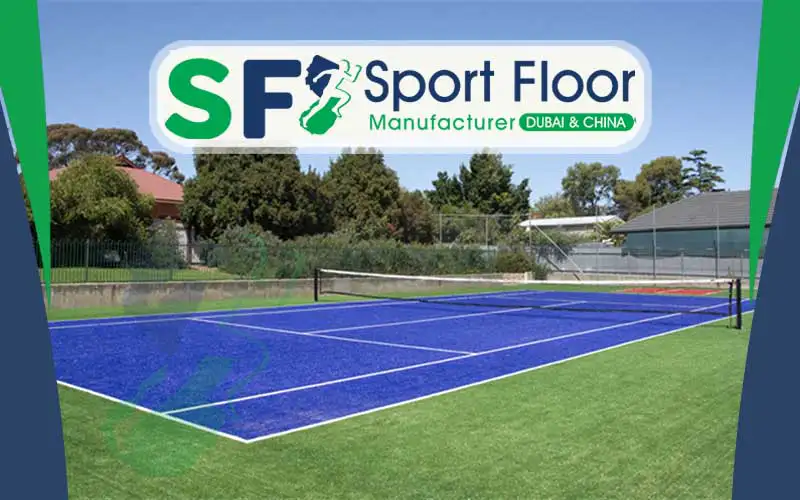
School and Recreational Courts
School activity areas require a practical surface selected for the planned sports, user age groups, traffic, maintenance and surrounding equipment.
Review multipurpose turf systems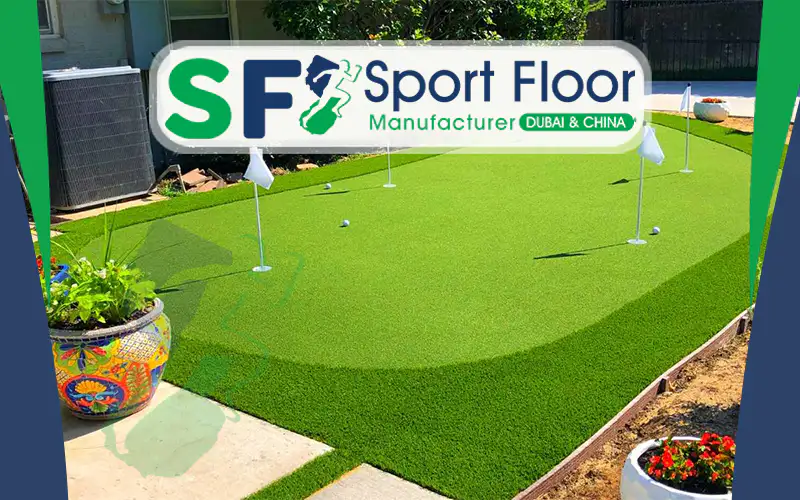
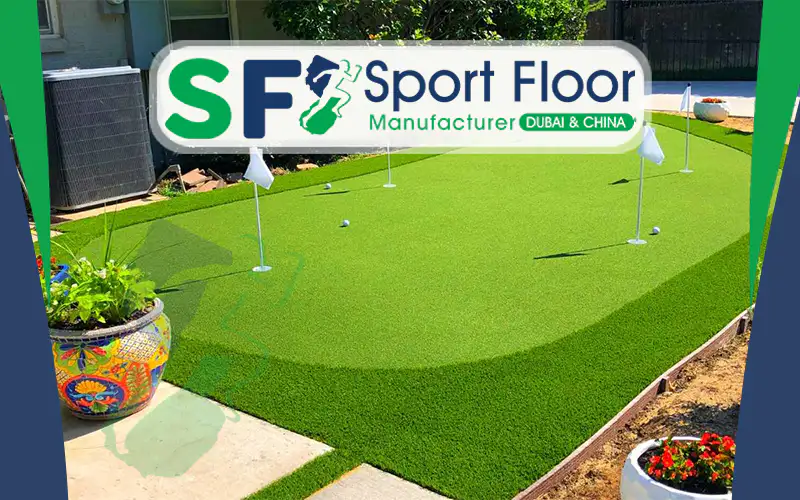
Golf Artificial Grass
Golf turf can be configured for putting greens, practice areas, surrounds or landscaping according to the required surface speed and ball roll.
Explore golf artificial grass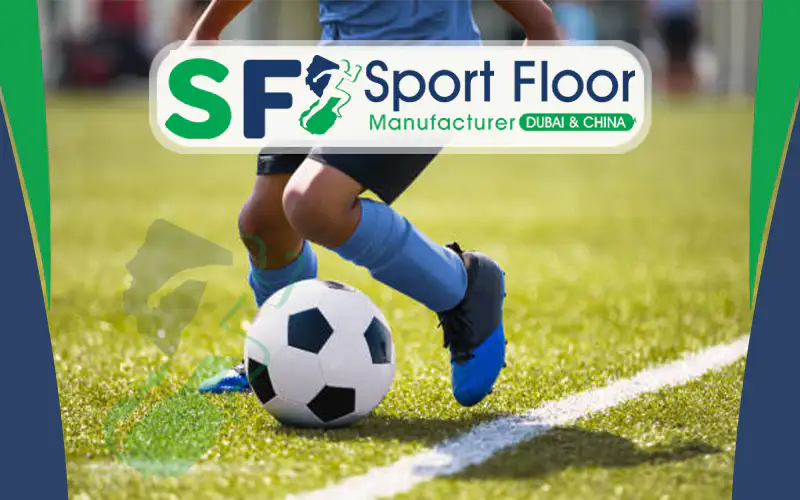
Playground and Kids’ Activity Areas
Artificial turf may provide the visible upper surface, but impact protection depends on the complete tested system beneath and around playground equipment.
Review playground surfacing requirementsThe Main Layers of an Artificial Sports Turf System
Layer requirements vary according to the sport, site conditions, performance target and approved project design.
Prepared Formation
The existing ground or structural slab must provide adequate stability, levels and support for the proposed system.
Base and Drainage
Compacted aggregate, asphalt or another designed base supports level control and water movement.
Shock Pad
A project-specific resilient layer may be included where required for impact control or sports performance.
Artificial Turf
The selected yarn, pile, density and backing must match the intended sport and approved system.
Infill and Finishing
Silica sand, performance infill, line markings and brushing are completed according to the system specification.
Artificial Sports Grass Specifications to Confirm
Exact values should appear consistently in the technical data, quotation, sample approval and purchase documents.
| Specification | What to Confirm | Why It Matters |
|---|---|---|
| Sport or Application | Football, padel, golf, multi-sport, school activity area or playground. | Determines the appropriate turf construction and complete system. |
| Pile Height | Confirm the visible yarn height required for the selected application. | Influences infill depth, ball behavior and surface profile. |
| Yarn Material | Confirm the polymer and yarn construction of the offered model. | Influences softness, resilience, wear and application suitability. |
| Yarn Shape | Confirm monofilament, fibrillated or another product-specific profile. | Influences recovery, infill interaction and surface behavior. |
| Dtex | Review the declared yarn mass over a specified length. | Supports comparison when evaluated with density and yarn design. |
| Gauge and Stitch Rate | Confirm row spacing and the number of stitches over the stated length. | Defines how the yarn is distributed across the turf. |
| Total Density | Confirm stitches or tufts per square meter. | Influences coverage, fiber distribution and use-specific performance. |
| Yarn and Total Weight | Confirm the yarn content and complete product weight. | Helps distinguish products that share the same nominal pile height. |
| Backing | Review the primary backing, secondary coating and tuft-retention information. | Supports dimensional stability, joining and installation. |
| Drainage | Confirm the turf drainage construction and field drainage design. | Water management depends on the complete installed system. |
| Infill | Confirm the material, grading, quantity and installation method. | Influences ballast, fiber support and sports performance. |
| Shock Pad | Confirm whether a resilient underlayer is required. | May influence impact response, system consistency and performance. |
| Line Markings | Confirm colors, widths, dimensions and whether lines are tufted or inlaid. | Ensures the field or court layout matches the approved sports design. |
| Roll Dimensions | Confirm available roll width, length and field roll plan. | Affects joints, waste, installation sequence and packing. |
| Testing and Documents | Request applicable product, system, batch and installation documentation. | Provides a documented basis for technical approval and handover. |
How Sports Turf Requirements Change by Application
| Application | Typical Surface Priority | Key Items to Define | Dedicated Page |
|---|---|---|---|
| Football | Ball behavior, player interaction, durability and field uniformity. | Level of play, pile system, infill, shock pad, usage hours and testing. | Football turf |
| Padel | Uniform bounce, controlled traction and consistent sand distribution. | Yarn type, pile profile, court color, silica sand and maintenance. | Padel turf |
| Golf | Ball roll, directional consistency and surface speed. | Putting or practice use, pile, density, base contours and finishing. | Golf turf |
| Multi-Sport | Balanced performance for several activities and user groups. | Sports list, line colors, footwear, traffic, infill and maintenance. | Multi-sport turf |
| School Recreation | Practical daily use, cleanability and managed surface condition. | Age groups, activity types, usage level, drainage and supervision. | School activity turf |
| Playground Equipment Area | Impact attenuation and accessibility around equipment. | Equipment fall height, tested surfacing system, base and inspection plan. | Playground requirements |
Artificial Grass for Playground and Kids’ Activity Areas
Artificial grass can provide a clean-looking upper surface for schools, parks, nurseries and recreational areas. However, the turf itself should not be presented as proof of impact protection beneath elevated playground equipment.
Where fall-impact performance is required, the complete installed surface should be selected according to the equipment layout, applicable fall height, resilient underlayer, joints, perimeter details, drainage and required testing.
- Identify the age group and type of playground equipment.
- Confirm the required impact-attenuation performance.
- Select the turf and resilient underlayer as one system.
- Coordinate the surface with ramps and accessible routes.
- Protect joints and edges in high-traffic locations.
- Establish inspection, cleaning and repair procedures.
Artificial Sports Turf Installation
The exact method depends on the sport, field dimensions, base design, drainage system and approved materials.
Survey and Design
Confirm field dimensions, levels, slopes, drainage points, sports markings, equipment positions and access requirements.
Prepare the Formation
Remove unsuitable materials and establish the required formation, compaction and structural support.
Construct the Base
Install the approved aggregate, asphalt or structural base with controlled levels and drainage.
Install Shock Pad
Place the specified resilient layer where it forms part of the approved sports or playground system.
Lay and Join the Turf
Position rolls, align the pile direction, trim joints and connect sections using compatible tape and adhesive.
Install Line Markings
Set out and install the required lines according to the approved sports dimensions and color schedule.
Apply Infill
Spread the specified infill in controlled layers while brushing between applications.
Inspect the Surface
Check seams, line positions, infill depth, surface uniformity, drainage and perimeter details.
Test and Handover
Complete applicable inspections or testing and provide the maintenance and handover documentation.
Maintaining Artificial Grass Sports Fields
Artificial sports turf requires planned maintenance. Cleaning and brushing alone may not be sufficient for fields with infill, intensive use or defined performance requirements.
- Remove litter, leaves and surface contamination.
- Brush the fibers using suitable sports-turf equipment.
- Inspect and redistribute infill across high-use zones.
- Check seams, lines, edges and goal areas.
- Relieve localized compaction where required.
- Keep drainage outlets and surrounding channels clear.
- Control unauthorized vehicles and unsuitable footwear.
- Record inspections, maintenance and completed repairs.
Maintenance frequency should reflect playing hours, sport type, weather, dust, surrounding vegetation and the installed system.
How to Request an Artificial Sports Grass Quotation
Complete information helps determine the suitable system, roll plan, accessories, documentation, packing and delivery cost.
Identify the Sport
State whether the project is football, padel, golf, multi-sport, school recreation or a playground.
Provide Dimensions
Send total square meters, field dimensions, drawings and the required sports line layout.
Define Performance
State the level of use, applicable standards, player category and any required field or system testing.
List System Materials
Confirm whether the enquiry includes infill, shock pad, joint tape, adhesive, line materials or base components.
Request Documentation
Identify technical data, test reports, batch documents, packing lists and approval requirements.
Provide the Destination
Include the destination country, city or port and the preferred delivery term, such as EXW, FOB or CIF.
Review the Requirements Applicable to the Complete Surface
Continue Planning Your Sports Facility
Artificial Grass for Sports Fields and Playgrounds FAQ
What is artificial sports grass?
Artificial sports grass is synthetic turf designed for a particular sport or activity. It may form part of a complete system containing a prepared base, shock pad, turf, infill, line markings and drainage.
Can the same artificial grass be used for every sport?
No. Football, padel, golf and multi-sport facilities require different pile profiles, densities, infill arrangements and surface behavior.
What pile height is used for sports artificial grass?
The required pile height depends on the sport and complete system. Padel commonly uses a short pile, while football systems may use a longer infilled pile. The exact approved specification should be followed.
Does artificial sports grass require infill?
Many sports systems use silica sand, performance infill or a combination of materials. The material and quantity depend on the turf and intended application.
Does every sports field require a shock pad?
No. Shock-pad requirements depend on the sport, base, turf system, performance target and applicable project specification.
Is artificial grass alone safe under playground equipment?
Artificial turf alone should not be treated as proof of fall-impact protection. Playground safety may require a complete tested surface system with a suitable resilient layer.
Can sports turf be installed over concrete?
Some court or recreational systems may be installed over a suitable structural surface. Football fields and impact-sensitive areas require a system and base designed for their intended use.
How is water drained from an artificial grass field?
Water passes through or across the turf according to its design, then through the supporting layers toward the field drainage system. Turf perforations alone cannot compensate for an unsuitable base.
Does artificial sports grass require maintenance?
Yes. Maintenance may include cleaning, brushing, infill redistribution, seam inspection, localized repairs, drainage checks and periodic performance assessment.
Is all football artificial grass FIFA certified?
No. Buyers should verify the exact product, system and completed field status. A general product description or sample does not confirm certification of the installed pitch.
How should I compare sports turf quotations?
Compare quotations using the same sport, pile, yarn, density, backing, infill, shock pad, line markings, accessories, area, documentation and delivery basis.
What information is required for an export quotation?
Provide the sport, field dimensions, total square meters, technical specification, required system materials, destination, documentation requirements and preferred delivery term.









A stadium materials and systems engineer with 18+ years of experience, he has overseen the design and implementation of artificial turf stadium projects in Asia, Europe, and the Middle East, specializing in performance and safety specifications.
M. Liu Jin Product Engineering Manager at Sportfloor