Multi-Sport Artificial Grass for Schools, Clubs and Recreation Areas
Multi-sport artificial grass for schools, universities, residential compounds, community facilities, sports clubs and recreational projects. Select the surface by the priority activity, pile profile, yarn, density, backing, infill, field markings, drainage, expected traffic and maintenance requirements.
What Is Multi-Sport Artificial Grass?
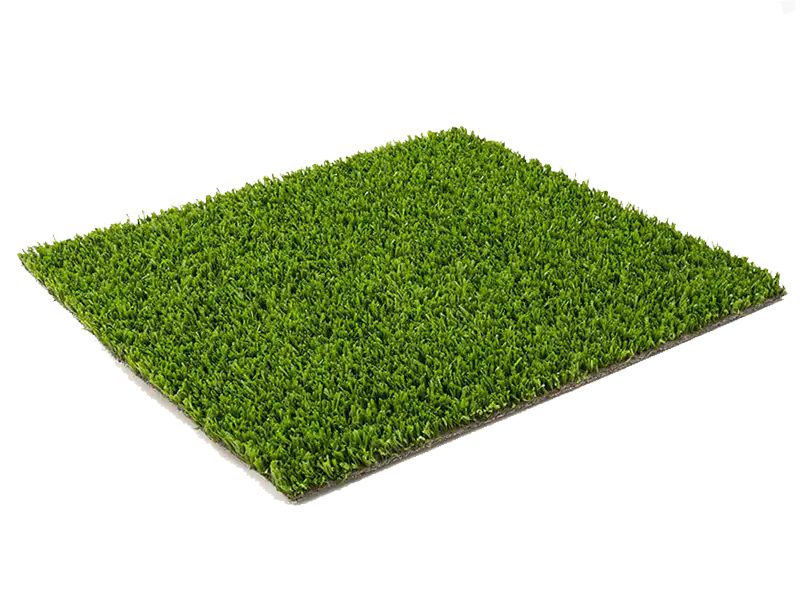
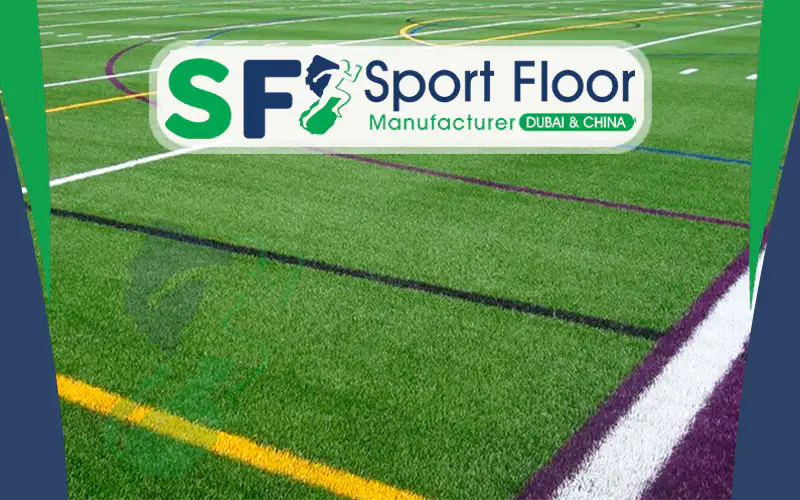
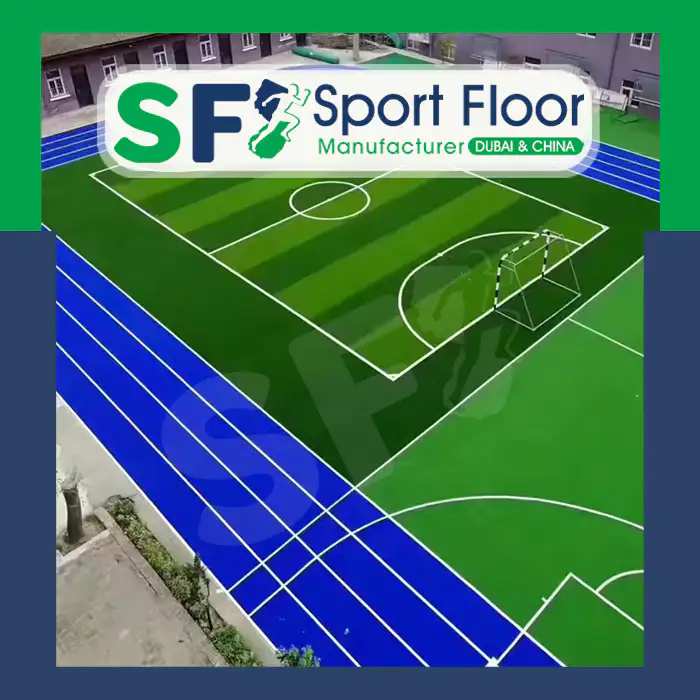
Multi-sport artificial grass is a synthetic surface selected when one facility must support several physical-education, training or recreational activities. The court or field can use different colored line markings to identify the playing area for each activity.
The surface is normally designed around one primary activity and several secondary uses. This is necessary because football, tennis, basketball and general recreation do not require the same pile height, ball response, traction or surface firmness.
A suitable compromise can be developed for schools, clubs and community facilities, but one turf specification should not be presented as providing official competition performance for every marked sport.
Efficient Use of Space
One planned surface can support several school, training and recreational activities within a limited site.
Multiple Field Markings
Different line colors can separate the layouts for the selected sports and activities.
Project-Specific Turf
Pile height, yarn, density, backing and infill are selected according to the main use and expected traffic.
Planned Maintenance
The surface can be cleaned, brushed, inspected and repaired using a documented facility-maintenance programme.
Where Multi-Sport Artificial Turf Can Be Used
The exact product and line layout should reflect the users, priority sports, daily activity level, available space and required surface performance.
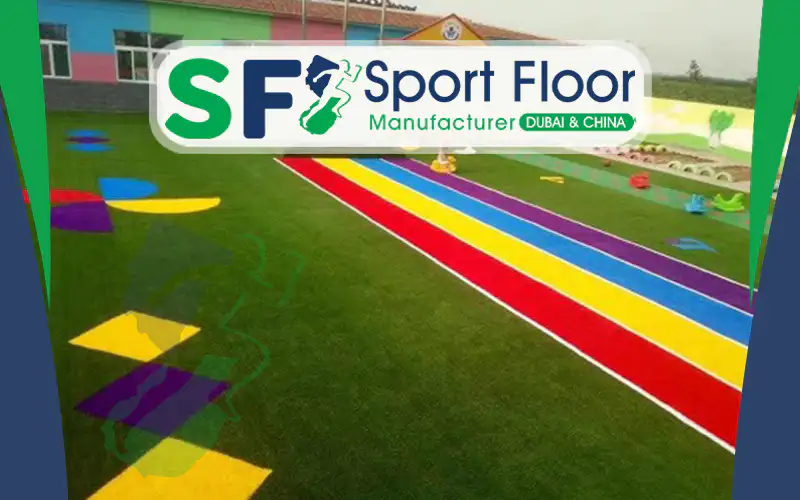
Schools and Nurseries
Outdoor physical-education, supervised games, movement activities and recreational zones for defined age groups.
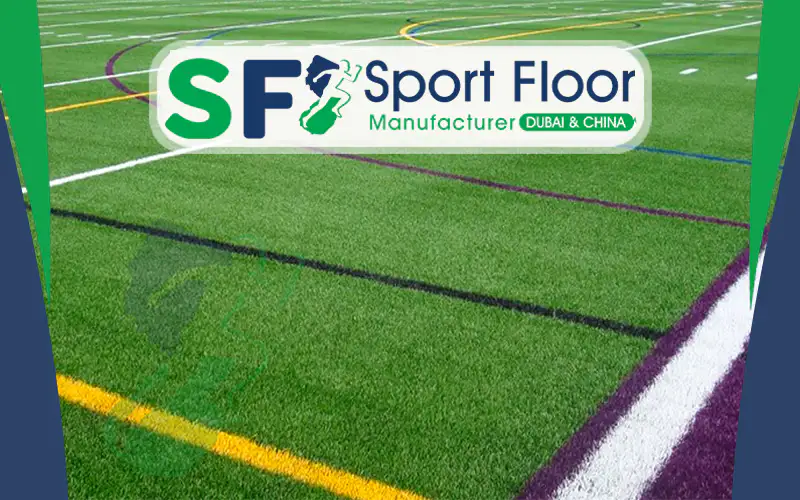
Universities and Campuses
Shared fields for student activities, informal sport, training sessions and organised campus recreation.
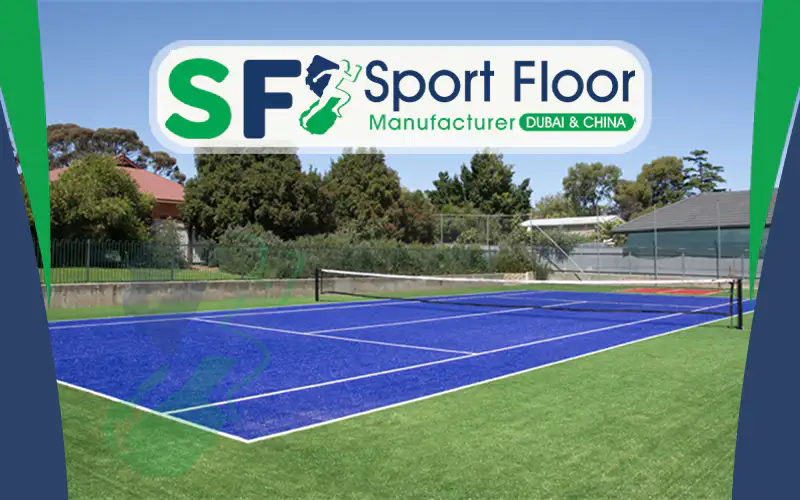
Sports Clubs
Flexible training and recreational areas for clubs that need to schedule several activities within one facility.
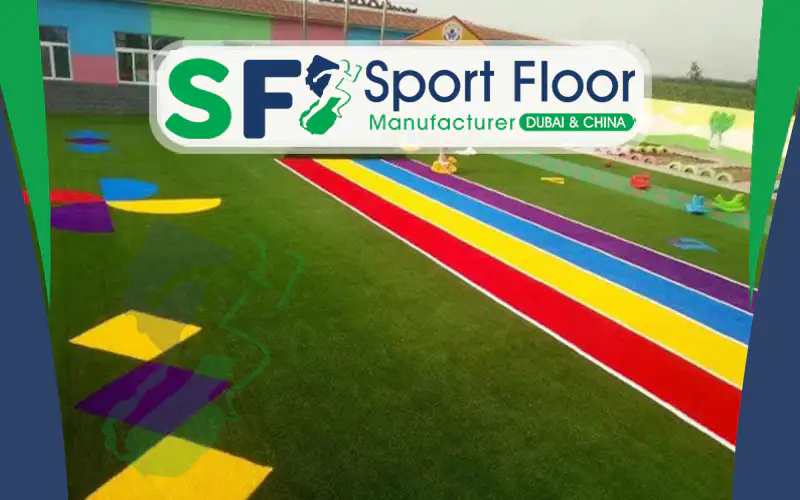
Residential Compounds
Shared recreation areas for residents, children’s activities, light training and community sports programmes.
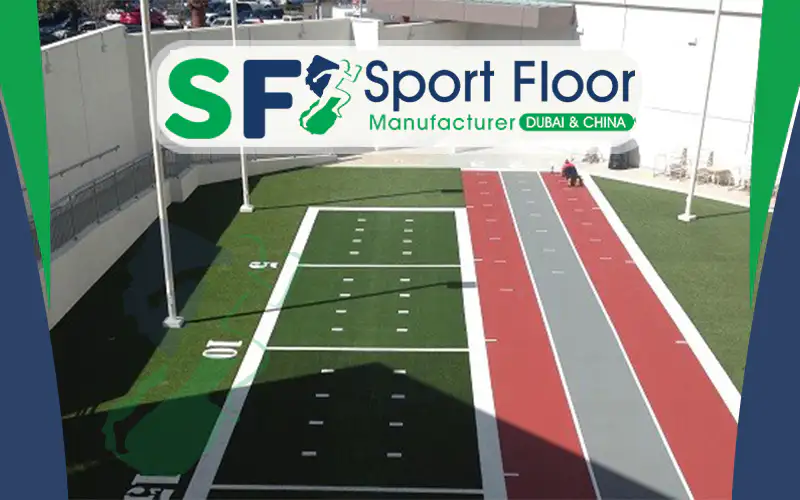
Rooftop Activity Areas
Lightweight recreation and training zones where structural capacity, drainage, wind exposure and secure perimeter details have been verified.
Community Facilities
Shared activity areas for municipalities, youth centres, neighbourhood programmes and organised recreation.
Design the Surface Around the Main Activity
A multi-purpose field works best when the project identifies one primary use and defines how the remaining sports will be accommodated.
Football-Priority Field
The turf is selected primarily for small-sided football, training or recreational play. Secondary lines can support school drills and other compatible activities.
- Football determines the main pile and infill system.
- Goals and surrounding netting are coordinated.
- Secondary markings use contrasting colors.
- Basketball use remains informal and recreational.
- Maintenance focuses on infill and high-use football zones.
Tennis-Priority Field
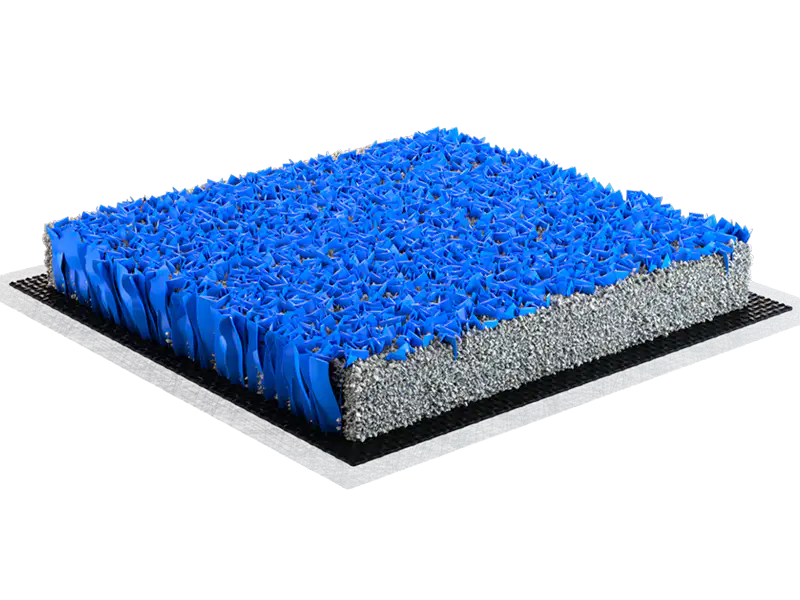
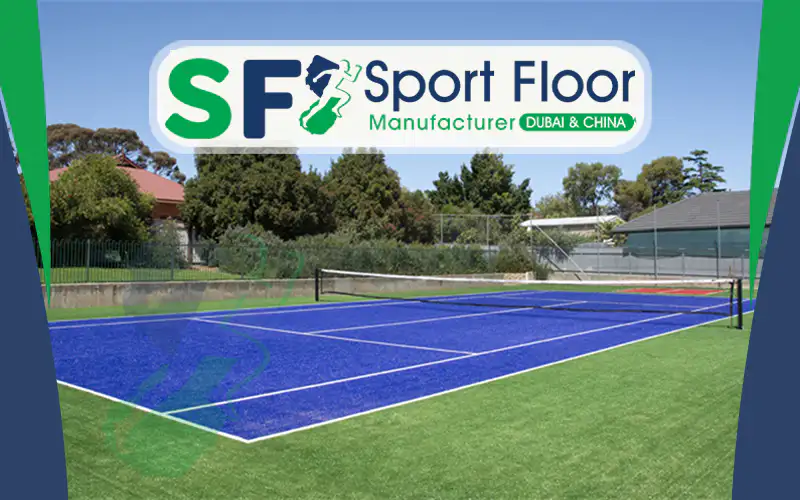
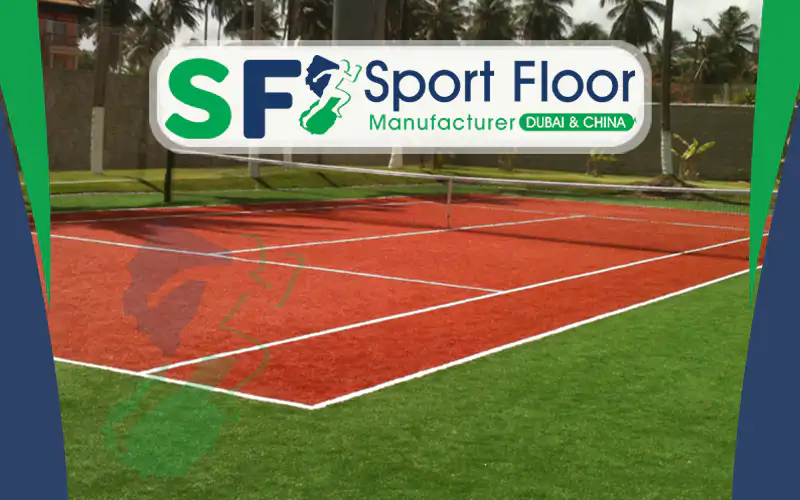
A short, dense and sand-filled artificial-grass surface may be selected where tennis is the main activity and the required court pace has been defined.
- Tennis ball response guides turf selection.
- The surface uses a shorter pile profile.
- Sand distribution requires regular maintenance.
- Football use should remain light and secondary.
- Official requirements must be checked separately.
Recreation-Priority Area
A balanced surface is selected for physical education, light football, movement games, fitness exercises and supervised community activities.
- Comfort and practical daily use are prioritised.
- Line markings support several activity layouts.
- The specification reflects user age and traffic.
- Formal competition performance is not assumed.
- Cleaning and supervision are planned from the start.
Match the Surface to the Required Sports
| Activity | Possible Role on Multi-Sport Turf | Main Selection Priority | When to Use a Dedicated Surface |
|---|---|---|---|
| Small-Sided Football | Can be the primary or a major secondary activity. | Yarn resilience, pile, infill, field size and intensive-use maintenance. | Use a dedicated football system for formal or high-performance football. |
| Tennis | Can be the priority use on a suitable short-pile sand-filled system. | Court pace, ball bounce, sand distribution and line accuracy. | Use a dedicated classified tennis surface for formal competition requirements. |
| Basketball | Suitable only for informal recreation when turf is the selected shared surface. | Flatness, secure lines, supervision and appropriate footwear. | Use acrylic, PP tiles, PVC or another approved hard surface for regular basketball. |
| Volleyball | Can support supervised recreational and school activities. | Level surface, post locations, line visibility and user safety. | Use a dedicated sports floor for formal indoor or competition volleyball. |
| Handball Training | May support informal drills and recreational practice. | Goal location, line layout, surface firmness and player movement. | Use a dedicated hard-court system for regular or official handball. |
| Physical Education | Well suited to varied supervised activities and movement programmes. | User age, activity mix, traffic, cleaning and maintenance. | Add separate specialist zones for gymnastics, athletics or impact-sensitive activities. |
| Fitness and Agility | Suitable for selected drills, warm-ups and movement exercises. | Surface stability, marking plan, equipment loads and secure edges. | Use a dedicated gym or rubber floor where heavy equipment or impact loading is expected. |
Main Layers of a Multi-Sport Artificial Turf Field
The final construction depends on site conditions, field use, structural requirements, drainage and the selected turf.
Prepared Formation
The existing soil or structural slab is inspected and prepared to provide stable support for the proposed field.
Drainage System
Slopes, channels, outlets and permeable layers are coordinated to prevent water from remaining on the playing area.
Engineered Base
Compacted aggregate, asphalt, concrete or another approved base provides controlled levels and surface stability.
Resilient Layer
A suitable underlay or shock pad may be included where required by the user group and project specification.
Artificial Grass
The yarn, pile, density and backing are selected according to the primary and approved secondary activities.
Infill and Markings
The specified infill and colored sports lines are installed and finished according to the approved field layout.
Multi-Sport Artificial Grass Specifications to Confirm
The quotation, technical data, approved sample, line plan and purchase order should identify the same product and surface system.
| Specification | What to Confirm | Why It Matters |
|---|---|---|
| Priority Activity | Football, tennis, school recreation, fitness or another main use. | Determines the surface profile and technical compromise. |
| Secondary Activities | List every additional sport or activity planned for the field. | Defines the line plan, equipment and practical limitations. |
| User Group | Children, students, club members, residents or public users. | Influences traffic, supervision, maintenance and surface selection. |
| Pile Height | Confirm the nominal yarn height above the backing. | Influences ball response, player movement and infill requirements. |
| Yarn Material | Confirm the polymer and yarn construction of the offered model. | Influences resilience, appearance, feel and intended use. |
| Yarn Shape | Confirm monofilament, fibrillated, textured or another profile. | Influences recovery, surface texture and interaction with infill. |
| Dtex | Confirm the declared yarn mass over the specified length. | Supports comparison when reviewed with yarn shape and density. |
| Gauge | Confirm the spacing between tufting rows. | Works with stitch rate to determine yarn distribution. |
| Stitch Rate | Confirm the number of stitches over the stated length. | Contributes to density and surface coverage. |
| Total Density | Confirm stitches or tufts per square metre. | Influences coverage, yarn support and traffic suitability. |
| Yarn Weight | Confirm the declared yarn content per square metre. | Helps distinguish products with similar pile heights. |
| Total Weight | Confirm the combined weight of the yarn and backing. | Supports comparison but should not replace component review. |
| Backing | Review primary backing, secondary coating and available tuft-retention data. | Supports stability, jointing and installation quality. |
| Drainage | Confirm turf permeability and the complete field drainage route. | Effective drainage depends on the turf and supporting construction. |
| Infill | Confirm the type, grading and required quantity where applicable. | Influences fiber support, stability and surface behaviour. |
| Line Markings | Confirm the sports, dimensions, widths and color schedule. | Prevents confusing or overlapping layouts. |
| Roll Plan | Confirm roll widths, lengths, pile direction and seam locations. | Affects waste, markings, installation sequence and appearance. |
| Documents | Request technical data, safety information, packing details and applicable tests. | Provides a documented basis for approval and procurement. |
Plan Multi-Sport Line Markings Before Production
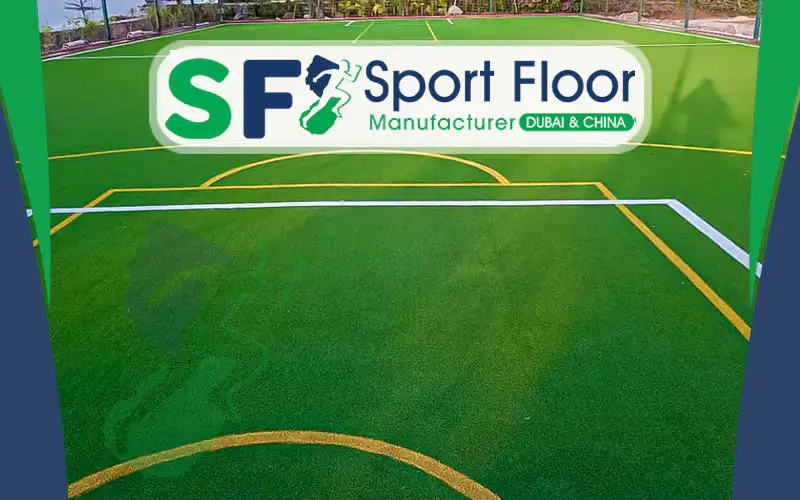
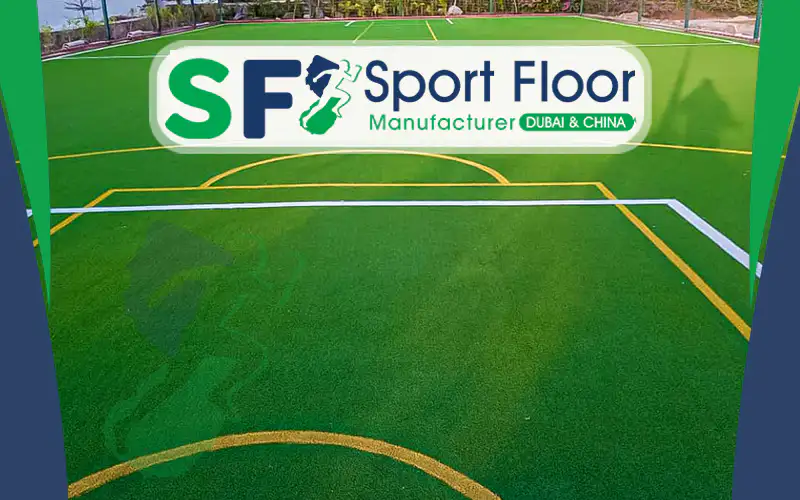
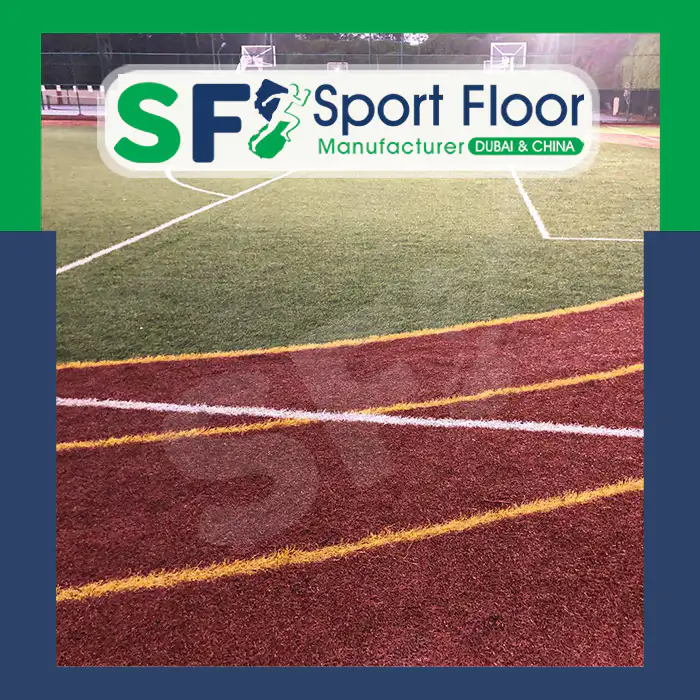
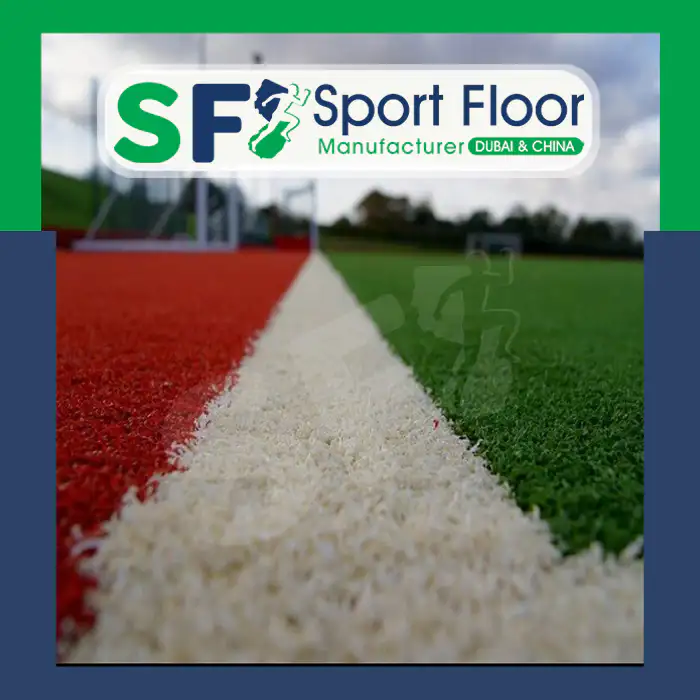
Each activity should have a clearly defined line color. The markings must remain easy to follow without creating excessive visual confusion across the field.
The line plan should be coordinated with goals, posts, nets, basketball units, access gates and the main orientation of the playing area.
- Identify the primary field layout first.
- Use the most visible color for the priority activity.
- Use contrasting colors for secondary sports.
- Avoid unnecessary or duplicate lines.
- Confirm widths and dimensions before cutting the turf.
- Coordinate movable and fixed sports equipment.
- Check line visibility under the installed lighting.
- Issue an approved drawing for installation and handover.
Primary Sport
Use the clearest and most prominent line color for the main activity.
Football Lines
White is commonly used for football where it remains visible against the turf.
Secondary Court
Yellow can identify a secondary activity without obscuring the primary layout.
Additional Activity
Blue or another contrasting shade can define a third approved layout.
Artificial Turf Layouts for Different Facilities
Multi-Sport Artificial Grass Installation
Installation should follow the approved field design, turf specification, line plan, drainage details and equipment layout.
Confirm the Activities
Approve the primary and secondary sports, user groups and expected weekly usage.
Survey the Site
Check dimensions, levels, drainage, access, structures, equipment positions and surrounding clear zones.
Approve the Line Plan
Define each court or field layout, color, line width and relationship with the sports equipment.
Prepare the Formation
Remove unsuitable material and establish stable support for the proposed surface system.
Construct the Base
Complete the drainage, levels, compaction and approved aggregate, asphalt or structural base.
Install the Turf Rolls
Position the rolls according to the layout while maintaining the approved pile direction.
Complete Joints and Lines
Join the turf and install the colored markings according to the approved field drawing.
Apply the Infill
Spread the specified infill in controlled layers while brushing between applications.
Inspect and Handover
Check levels, lines, seams, infill, drainage, equipment and surface consistency before use.
Maintaining a Multi-Sport Artificial Turf Field
Shared sports fields require scheduled care because traffic is distributed differently across goals, central activity zones, entrances and equipment locations.
- Remove litter, leaves, dust and loose contamination.
- Brush the fibers using suitable non-metallic equipment.
- Redistribute infill where it forms part of the system.
- Inspect seams and every colored line marking.
- Check areas around goals, posts, entrances and equipment.
- Keep drainage channels and surrounding outlets clear.
- Repair loose edges or separated joints promptly.
- Control footwear, vehicles and unauthorised activities.
- Record inspections, maintenance and completed repairs.
Maintenance frequency depends on the weekly usage, activity mix, climate, dust, surrounding trees, infill system and user age group.
How to Request a Multi-Sport Artificial Grass Quotation
Complete information helps determine the suitable turf, field-line plan, roll quantity, system materials, packing and delivery cost.
List the Activities
Identify the priority sport and every secondary activity planned for the facility.
Provide Dimensions
Send the total square metres, field dimensions, drawings and surrounding clear areas.
Describe the Users
State whether the facility is for a school, club, university, residential project or public community use.
Confirm the Specification
Provide the required pile, yarn, density, backing and infill details when already defined.
List Lines and Accessories
Confirm the line colors, goals, nets, posts, backboards, benches and installation materials required.
Provide the Destination
Include the country, city or port and preferred delivery basis, such as EXW, FOB or CIF.
Verify the Requirements of Each Priority Sport
Continue Planning Your Multi-Sport Facility
Multi-Sport Artificial Grass FAQ
What is multi-sport artificial grass?
It is synthetic turf selected for a shared field that supports several school, training or recreational activities. Different colored lines can identify each approved field layout.
Can one artificial grass field be used for several sports?
Yes, but the project should identify one priority activity and define the acceptable role of every secondary sport. One turf does not provide identical performance for all sports.
Which sports can be played on multi-sport artificial turf?
Depending on the design, the field may support small-sided football, physical education, recreational tennis, volleyball, fitness drills and supervised school activities.
Can basketball be played on artificial grass?
Artificial grass may support informal recreational basketball, but regulation and regular basketball require a flat hard court. Acrylic surfaces or PP tiles are more suitable when basketball is the priority sport.
Can tennis be played on artificial grass?
Yes. Suitable short-pile, sand-filled artificial-grass systems can be used for tennis. The required court pace and playing level should be defined before selecting the product.
Can football be the main sport on a multipurpose turf field?
Yes. The turf, infill and base can be selected primarily for small-sided or recreational football, with contrasting lines for compatible secondary activities.
What pile height is used for multi-sport artificial grass?
The correct height depends on the priority activity, yarn, density, infill and required surface behaviour. Shorter turf may favour tennis-style use, while longer turf may favour football.
Does multi-sport artificial grass require infill?
Many systems use silica sand or another specified infill. The material and quantity depend on the exact turf and priority use.
How are different sports lines added?
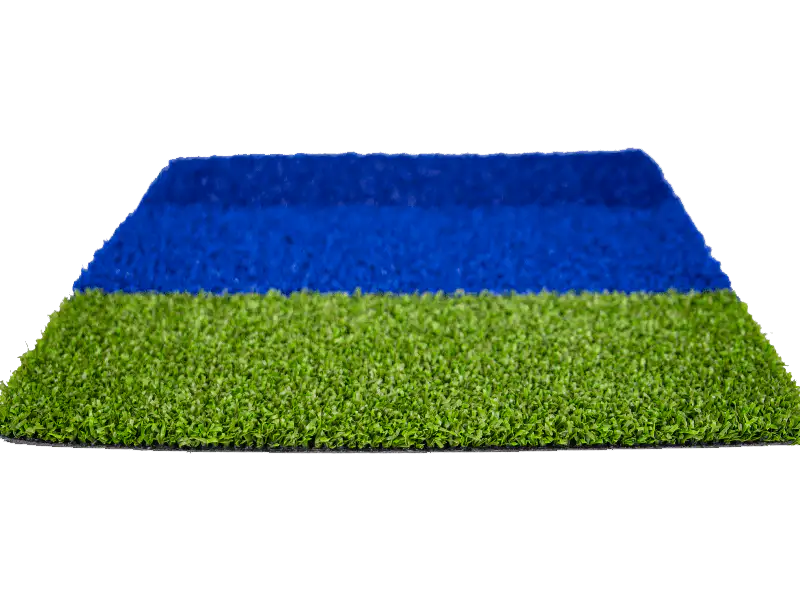
Lines can be produced from contrasting artificial-grass strips that are accurately cut and joined into the main turf according to an approved layout.
How many line colors should be used?
Use only the colors required for the approved activities. Too many overlapping lines can make the field difficult to read and use.
Can multi-sport turf be installed over concrete?
It may be installed over suitable stable concrete when levels, drainage, surface defects, impact requirements and fixing details have been evaluated.
Can multi-sport turf be installed over soil?
It should be installed over a prepared, stable and drainable base rather than loose untreated soil.
Does a multi-sport artificial turf field require maintenance?
Yes. Maintenance includes cleaning, brushing, infill redistribution, seam and line inspection, drainage checks and prompt repair of damaged areas.
How should I compare multi-sport turf prices?
Compare quotations using the same priority activities, pile, yarn, dtex, density, backing, infill, line plan, accessories, total area and delivery basis.
What information is required for an export quotation?
Provide the priority sports, user group, dimensions, total area, required specification, line colors, accessories, destination, documents and preferred delivery term.