











Multi-Sport Acrylic Courts for Schools and Community Facilities
Standard and cushioned acrylic systems for shared courts supporting selected combinations of basketball, volleyball, tennis, handball and recreational activities. Design the facility around one primary sport, the available footprint, base condition, drainage, equipment, color zones, line hierarchy, operational schedule and required technical documents.
What Is a Multi-Sport Acrylic Court?
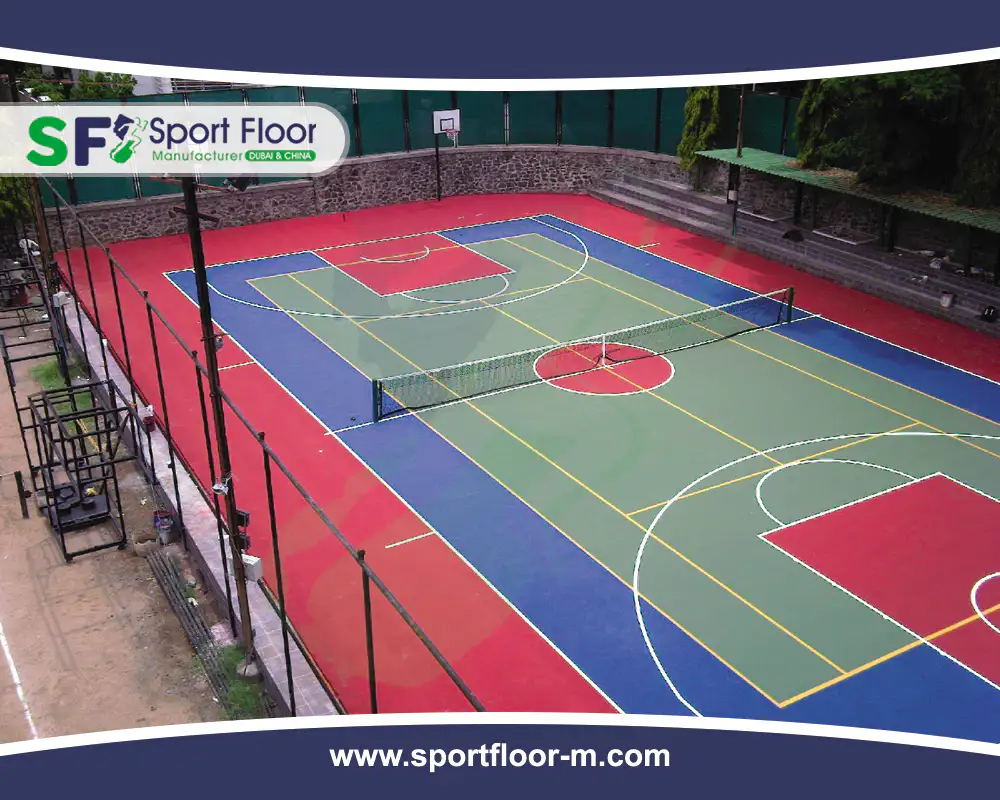
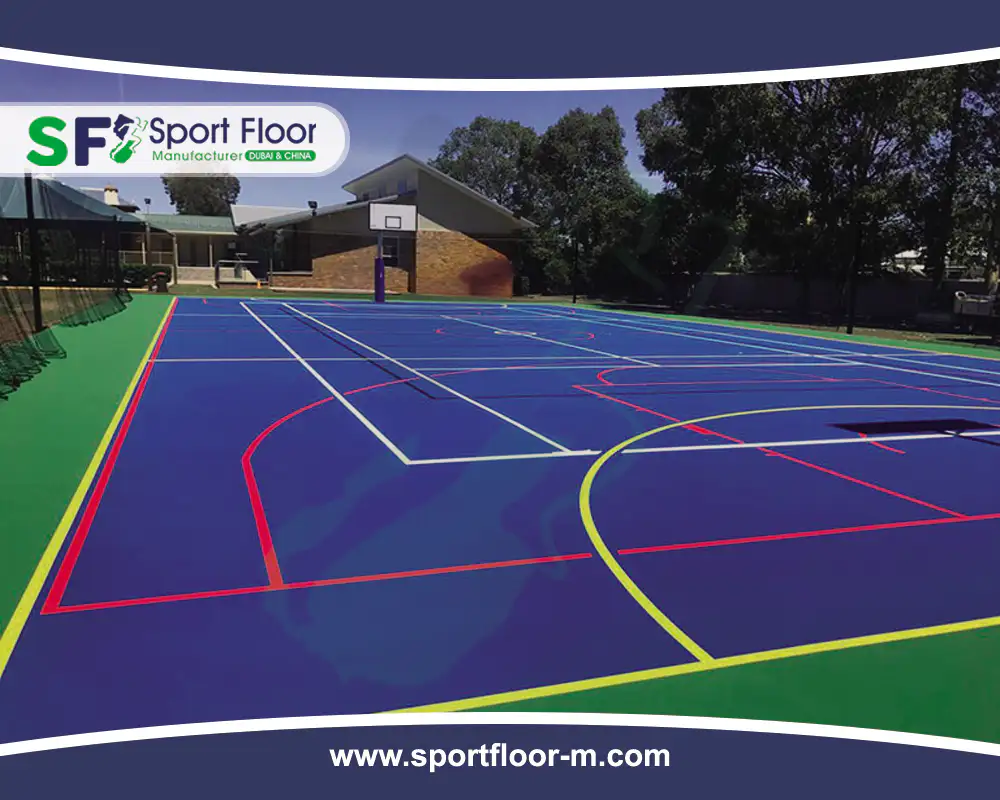
A multi-sport acrylic court is a shared hard-court surface designed for a defined group of sports and activities. The surface is installed over a suitable concrete or asphalt base and uses coordinated color zones and line markings to distinguish each approved layout.
The court is not automatically suitable for every sport. Each activity has different playing dimensions, safety areas, equipment, surface expectations and governing rules. A successful design selects one primary sport and then adds compatible secondary uses.
The complete construction may include substrate repairs, primer, acrylic resurfacing layers, optional cushion materials, texture coats, color coats and compatible line-marking paints.
One Primary Sport
The main activity controls the base footprint, safety zones and dominant equipment.
Selected Secondary Sports
Additional layouts are added only where the space and equipment interfaces remain practical.
Controlled Line Hierarchy
Different line colors and widths help users identify the correct layout.
Shared Operational Plan
Scheduling, equipment changes, inspection and storage should be planned before opening the facility.
Where Multi-Sport Acrylic Courts Are Used
Shared courts are most effective where usage schedules and equipment changes can be supervised.
Schools
Shared courts for physical education, supervised sports and scheduled class activities.
Universities
Recreational and training facilities serving several student programmes.
Community Centres
Public courts where different groups use the surface at separate times.
Residential Developments
Shared recreation areas coordinated with fencing, lighting, access and nearby homes.
Sports Clubs
Flexible training areas supporting defined club and academy activities.
Hotels and Resorts
Recreational courts designed around guest use and operational simplicity.
Public Parks
Outdoor activity courts requiring practical maintenance and robust equipment.
Existing Court Conversions
Suitable courts may receive revised zoning and lines after technical assessment.
Select the Primary Sport Before Designing the Court
The primary sport should receive the clearest lines, correct equipment positions and the most suitable available safety space.
Basketball-Led Court
Uses the basketball footprint and backstop positions as the main reference. Volleyball or selected recreational lines may be added.
Tennis-Led Court
Protects tennis run-off, net position and court pace requirements before adding compatible secondary markings.
Volleyball-Led Court
Prioritises the 18 × 9 metre layout, free zone, post sockets and net installation.
Handball-Led Court
Requires the largest common footprint and prioritises goal areas, safety zones and handball goals.
Reference Playing Dimensions for Multi-Sport Planning
These are playing-area references. Total project dimensions are larger after adding run-off areas, safety zones, equipment, fencing and access.
| Sport | Reference Playing Area | Important Additional Space | Equipment Interfaces | Multi-Sport Planning Note |
|---|---|---|---|---|
| Basketball | 28 × 15 m for a full FIBA playing court. | Boundary and obstruction-clearance areas must be added. | Backstops, foundations, backboards, rings and padding. | Frequently selected as the primary layout for school and community courts. |
| Volleyball | 18 × 9 m. | A general minimum free zone is required around the playing court. | Posts, sleeves, net, antennae and post padding. | Often fits inside a larger basketball or handball-led footprint. |
| Handball | 40 × 20 m. | Safety zones are required beside sidelines and behind goals. | Goals, nets, structural fixings and goal-area clearance. | Usually controls the largest shared-court footprint. |
| Tennis Singles | 23.77 × 8.23 m. | Substantial run-off space is required beyond the playing lines. | Net posts, sleeves, centre strap and fencing. | Secondary lines and equipment should not compromise tennis play or run-off. |
| Tennis Doubles | 23.77 × 10.97 m. | Overall court construction remains larger than the line rectangle. | Net system, fencing, lighting and access gates. | Tennis requires separate consideration of court pace and line clarity. |
| 3x3 Basketball | Use the current 3x3 playing and boundary requirements. | Player space and safe boundaries remain necessary. | One basketball backstop and associated foundation. | May suit restricted sites better than a full basketball court. |
| Mini or School Sports | Dimensions depend on age group and approved programme. | Child-appropriate safety and supervision areas. | Adjustable or removable equipment may be required. | Reduced layouts must be described accurately and not presented as full regulation courts. |
Standard, Cushioned and Resurfacing Multi-Sport Systems
Standard Acrylic Multi-Sport Court
A firm hard-court system without a separate resilient cushion construction.
- Prepared concrete or asphalt base.
- Compatible primer where required.
- Acrylic resurfacing layers.
- Specified texture construction.
- Color zones for the primary layout.
- Controlled secondary line markings.
Cushioned Acrylic Multi-Sport Court
A coordinated acrylic system incorporating specified resilient layers beneath the upper surface.
- Stable prepared supporting base.
- Compatible repair and primer materials.
- Defined cushion-layer construction.
- Upper texture and color coats.
- Multi-sport line-marking system.
- System-specific application control.
Multi-Sport Court Resurfacing
Renovation of a suitable existing court with a revised line and color plan.
- Existing-surface condition survey.
- Adhesion and compatibility review.
- Removal of weak or loose material.
- Compatible local repairs.
- New texture and color layers.
- Replacement multi-sport markings.
Main Layers of a Multi-Sport Acrylic Court
Structural Base
Concrete or asphalt providing support, levels and project-designed slopes.
Surface Preparation
Removes dust, contamination, weak material and unsuitable coatings.
Compatible Repairs
Treats approved depressions, inactive cracks and local defects.
Primer
Used where required by the substrate and selected acrylic system.
Acrylic Resurfacer
Helps create a more uniform surface for subsequent layers.
Cushion Layers
Optional resilient materials included only in a cushioned system.
Texture and Color Coats
Create the required profile and approved playing zones.
Multi-Sport Line Paint
Forms the primary and secondary layouts using approved colors.
Multi-Sport Court Base, Levels and Drainage
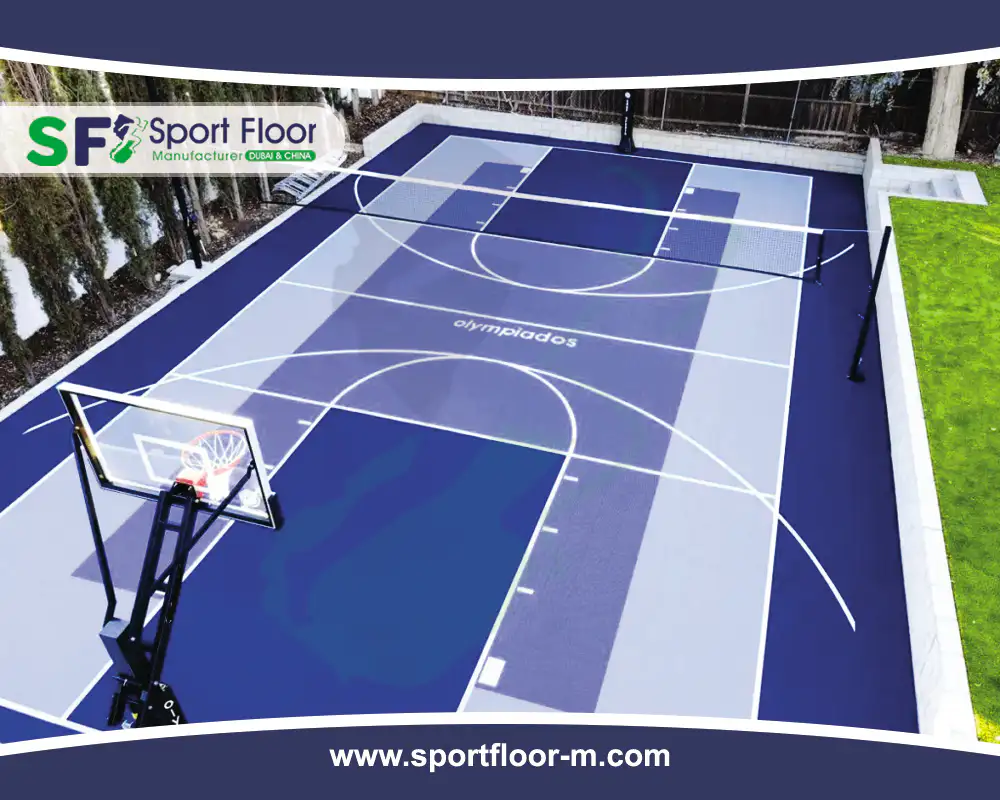
Acrylic coatings follow the profile and movement of the supporting base. A shared court also contains several equipment interfaces, so the base design must be completed before final surfacing.
- Confirm structural stability and adequate support.
- Inspect flatness, high points and depressions.
- Identify water ponding after rain or testing.
- Review cracks, joints and signs of movement.
- Check concrete curing, moisture and laitance.
- Confirm asphalt stability and application readiness.
- Test adhesion of existing coatings.
- Coordinate slopes with perimeter drainage.
- Complete all equipment foundations and sleeves.
- Protect the prepared surface from contamination.
Concrete Base
Review curing, moisture, joints, laitance, contamination and primer compatibility.
Asphalt Base
Confirm age, stability, compaction, levels and suitability for acrylic application.
Existing Coated Court
Test adhesion and remove weak, loose or incompatible areas.
Surface Slopes
Slopes should move water while remaining appropriate for the primary sport.
Perimeter Drainage
Channels and outlets should remain outside unsafe player-movement areas.
Equipment Foundations
Coordinate goals, backstops, posts, sleeves and removable covers before coating.
How to Keep Multi-Sport Court Lines Readable
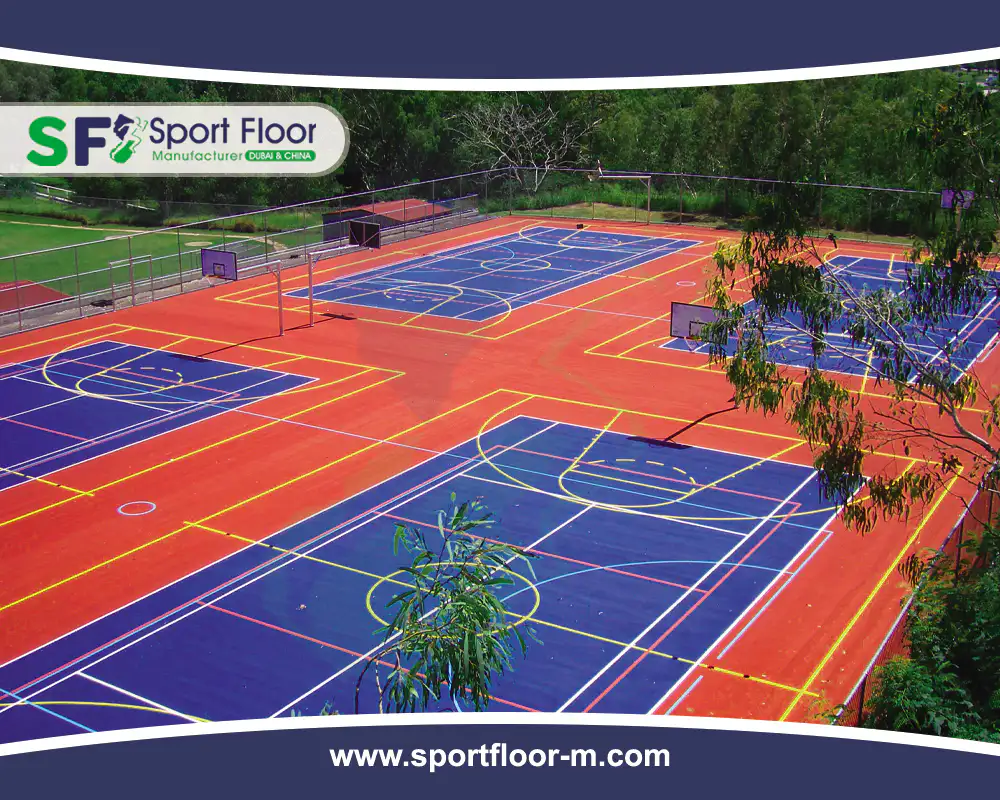
Too many overlapping markings can make a shared court difficult to use. The design should limit the sports list and establish a clear visual hierarchy.
- Use the clearest color for the primary sport.
- Assign one consistent color to each secondary sport.
- Use sufficient contrast against the background.
- Avoid using similar colors for intersecting lines.
- Do not add unnecessary recreational markings.
- Preserve the official geometry of each approved layout.
- Coordinate line widths with the applicable sport rules.
- Prepare a final dimensioned line-marking drawing.
- Label the color key in the handover documents.
- Provide edge signage where users need assistance.
Primary Sport
Use the strongest visual contrast and ensure that the main layout remains readable from all playing positions.
Secondary Sport One
Select a clearly different color and avoid confusion at major intersections.
Secondary Sport Two
Use only where the layout remains practical and understandable.
Optional Additional Marking
Add only after confirming that the court will not become visually congested.
Goals, Backstops, Posts, Nets and Storage
Equipment should change safely between activities without damaging the acrylic surface or creating exposed floor openings.
Basketball Backstops
Confirm fixed, portable, wall-mounted or foldable units and their structural foundations.
Volleyball Posts
Coordinate sleeves, covers, net heights, padding and storage.
Tennis Net System
Confirm post positions, sleeves, net, centre strap and conversion procedure.
Handball Goals
Specify size, fixing system, nets and safe storage where goals are movable.
Socket Covers
Covers should remain secure and flush when posts are removed.
Equipment Storage
Provide a protected area that does not obstruct run-off zones or access routes.
Fencing and Gates
Locate gates away from primary playing and equipment zones.
Lighting
Coordinate illumination with the primary sport and control glare and shadows.
Operating Instructions
Train staff in safe equipment conversion, inspection and storage.
Multi-Sport Acrylic Court Installation Process
Define the Sports List
Confirm the primary sport and approved secondary activities.
Prepare the Layout
Coordinate dimensions, safety zones, equipment and line colors.
Survey the Site
Confirm area, levels, drainage, access, fencing and lighting.
Inspect the Base
Review cracks, flatness, moisture, contamination and adhesion.
Complete Repairs
Treat approved defects and remove unsuitable surface material.
Install Equipment Bases
Complete foundations, anchors, sleeves and socket covers.
Apply Primer
Use the compatible primer where required by the substrate.
Apply Resurfacer
Build the approved preparation layers at controlled rates.
Apply Cushion Layers
Install the specified resilient construction where included.
Apply Texture and Colors
Complete the approved surface profile and zone-color schedule.
Mark Each Sport
Set out the primary layout first, followed by approved secondary sports.
Inspect and Handover
Review lines, equipment, drainage, finish and operating documents.
Resurfacing and Redesigning a Multi-Sport Court
Resurfacing provides an opportunity to simplify old markings, change the priority sport and improve color zoning, provided that the existing court remains technically suitable.
- Document every existing sport and line color.
- Identify markings that are no longer required.
- Test adhesion of existing coatings.
- Review cracks and signs of movement.
- Check levels and water ponding.
- Remove loose or incompatible materials.
- Confirm compatibility with the new system.
- Prepare a revised line-marking drawing.
- Restore texture and colors consistently.
- Update equipment and operating instructions.
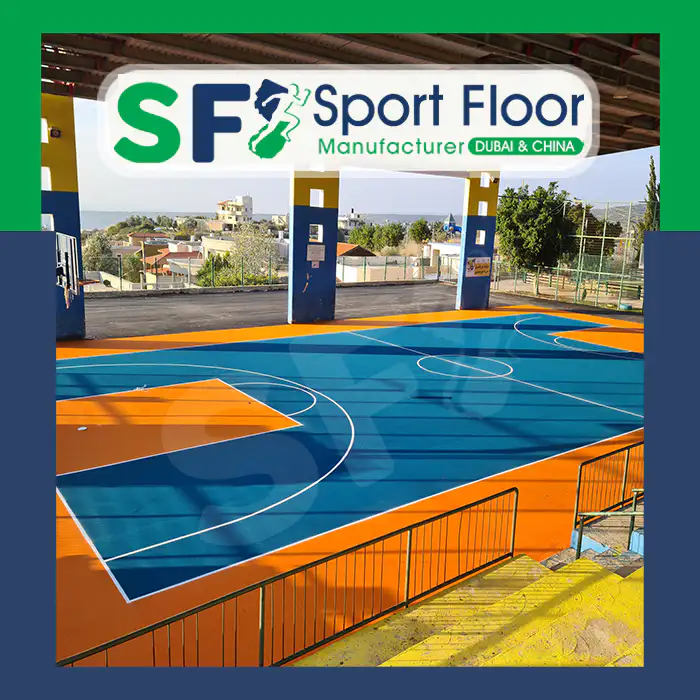
Multi-Sport Acrylic Court Color and Line Examples
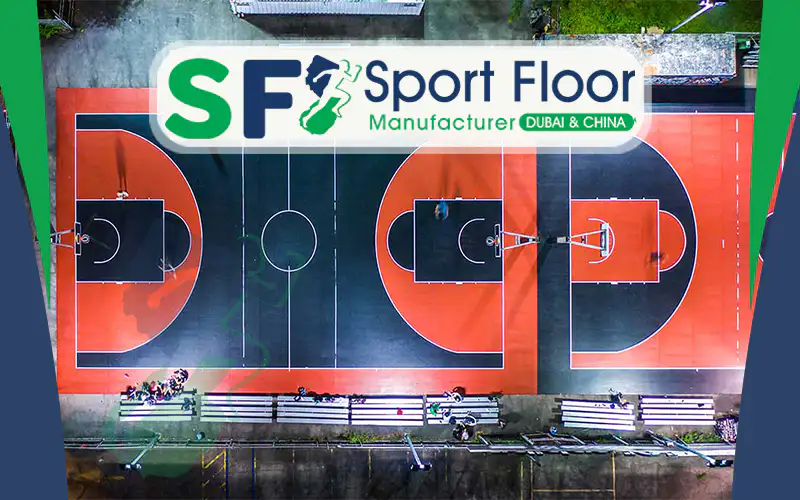
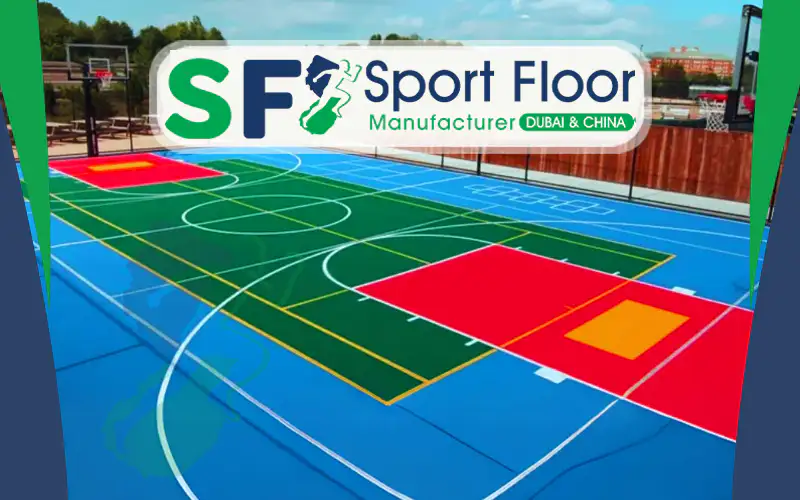
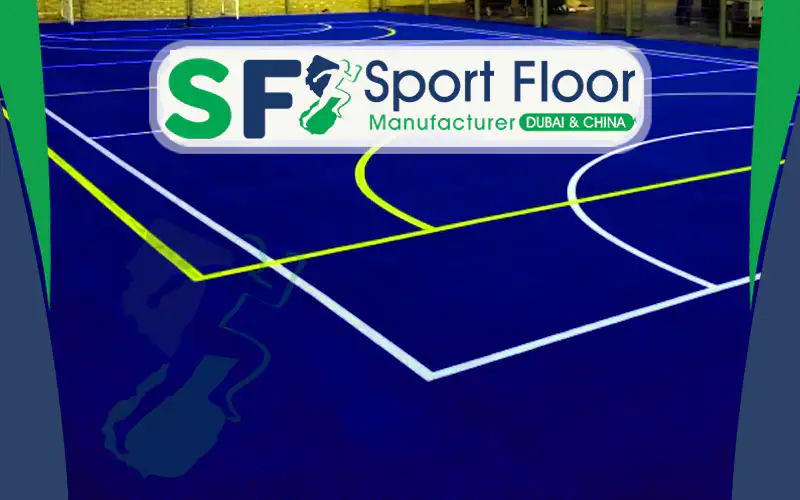
Every image in this gallery uses the same original square dimensions. No small image is placed beside a larger image.
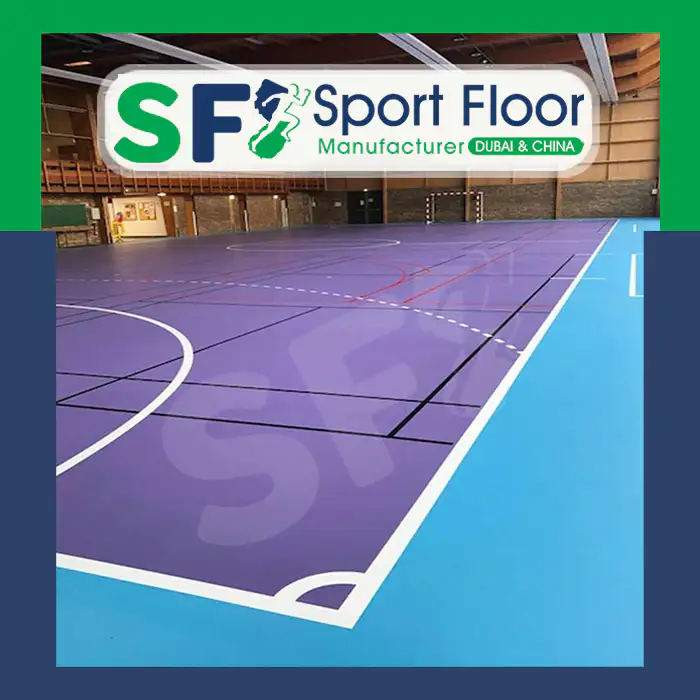
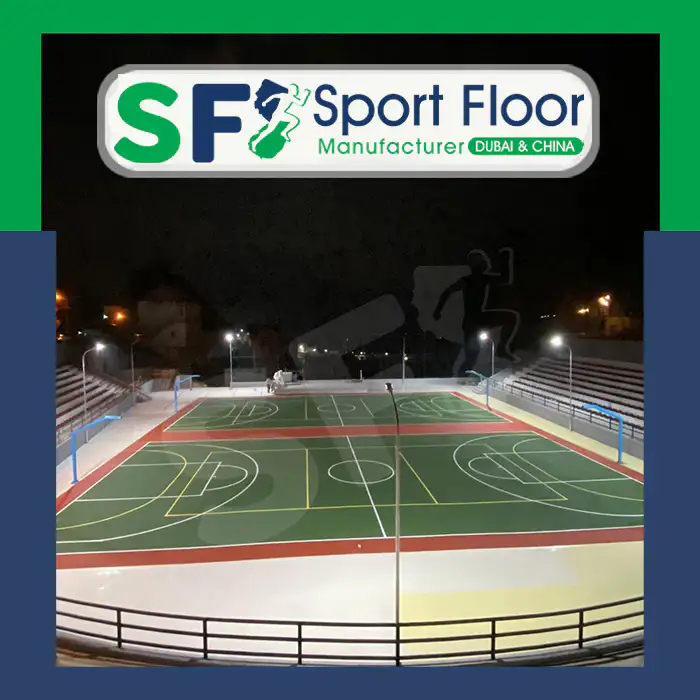
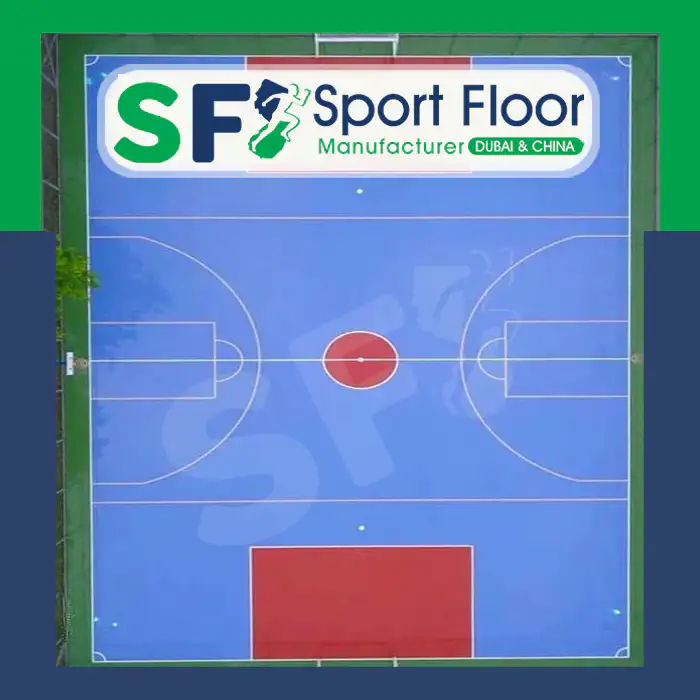
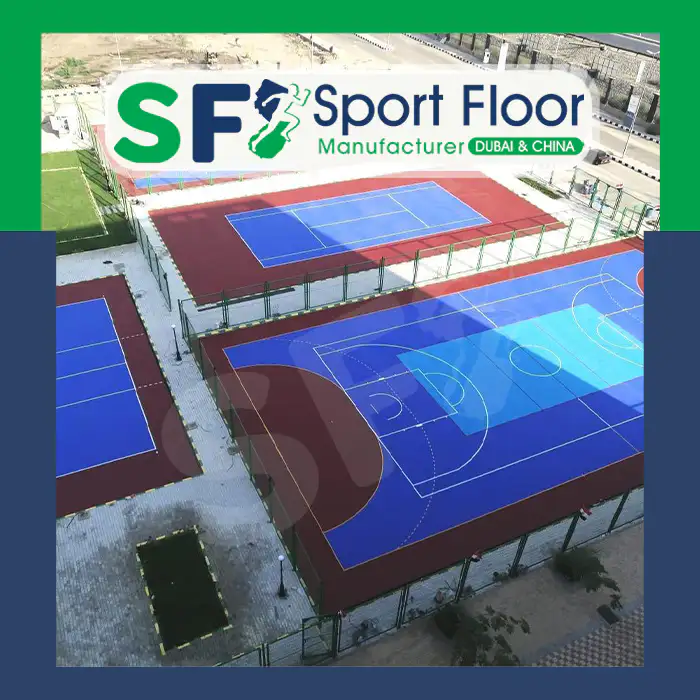
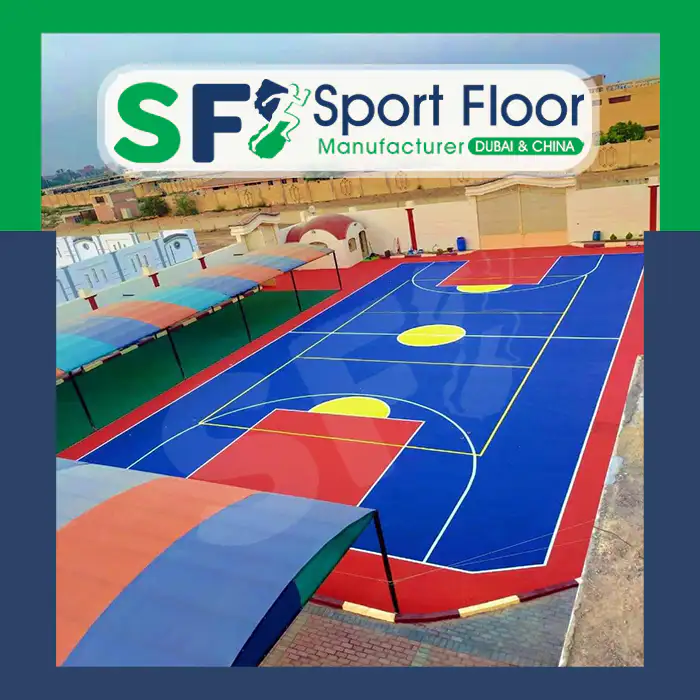
Indoor and Outdoor Shared-Court Configurations
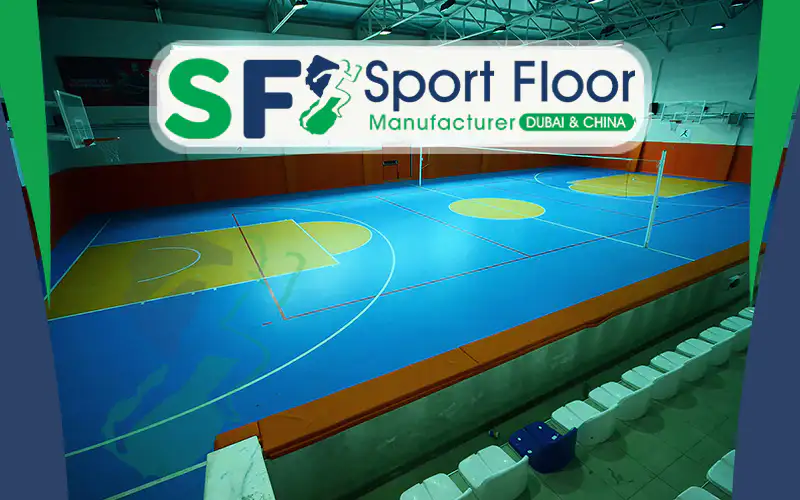
Multi-Sport Acrylic Court Maintenance
Remove Debris
Clear dust, leaves, sand and loose material before it affects play or stains the surface.
Use Compatible Cleaning
Follow the exact coating guidance and avoid aggressive chemicals or abrasive equipment.
Keep Drainage Clear
Inspect channels, outlets and court edges, especially after storms.
Monitor Cracks
Record recurring cracks and investigate movement before cosmetic repair.
Inspect Every Line Set
Maintain accurate, visible markings without changing the approved geometry.
Check Socket Covers
Keep removable-equipment covers secure, flush and free from damage.
Inspect Equipment
Check goals, backboards, rings, nets, posts, anchors and padding.
Control Access
Prevent vehicles, sharp equipment and unsuitable footwear from damaging the court.
Resurface by Condition
Base resurfacing decisions on adhesion, cracks, texture, colors, lines and operational needs.
Multi-Sport Acrylic Court Specifications to Confirm
| Specification | What to Confirm | Why It Matters |
|---|---|---|
| Primary Sport | Identify the activity receiving priority dimensions, lines and equipment. | Establishes the main design criteria. |
| Secondary Sports | List only the additional sports that will actually be used. | Prevents unnecessary line congestion. |
| User Group | Children, school users, recreational adults, club players or formal competitors. | Influences dimensions, equipment and safety. |
| Available Footprint | Provide exact length, width, obstructions and surrounding areas. | Determines which sport layouts can fit correctly. |
| Base Type | Concrete, asphalt or existing coated court. | Determines preparation and primer requirements. |
| Base Condition | Cracks, unevenness, moisture, peeling, contamination and ponding. | Can materially change the project scope. |
| System Type | Standard, cushioned or resurfacing acrylic. | Defines the layer build-up and surface response. |
| Layer Schedule | Repairs, primer, resurfacer, cushion, texture, colors and lines. | Allows accurate comparison between quotations. |
| Color-Zone Plan | Main court, keys, goal areas, surrounds and activity zones. | Required for quantities and visual organisation. |
| Line-Marking Plan | Dimensioned drawing, line colors and applicable widths. | Prevents mistakes and unreadable layouts. |
| Equipment List | Goals, backstops, posts, nets, sleeves, anchors and covers. | Equipment affects the base and operation. |
| Fencing and Lighting | Heights, gates, pole locations and illumination requirements. | Must suit the primary sport and site. |
| Indoor or Outdoor | State exposure, climate and building conditions. | Influences whether acrylic is the appropriate flooring. |
| Testing | Define any required product or completed-surface testing. | Testing is not automatically included. |
| Documents | TDS, SDS, method statement, drawings and applicable reports. | Documents must match the exact offered system. |
| Commercial Scope | Materials, installation, equipment, supervision and delivery. | Ensures comparable commercial offers. |
Information Required for a Multi-Sport Acrylic Court Quote
State the Primary Sport
Identify the activity that controls the court design.
List Secondary Sports
Include only the layouts required for regular use.
Provide Site Dimensions
Send the total available length, width and current drawings.
Describe the Base
Identify concrete, asphalt or existing coating and provide photos.
Select the System
Confirm standard, cushioned or resurfacing acrylic.
Confirm Colors and Lines
Provide zone colors and preferred line-color hierarchy.
List Equipment
State all goals, backstops, posts, nets, fencing and lighting.
Define Scope and Destination
State materials, installation or turnkey scope and delivery destination.
Sport Rules and Court-Planning References
Continue Planning the Shared Sports Facility
Multi-Sport Acrylic Court FAQ
What is a multi-sport acrylic court?
It is a shared hard-court acrylic system designed for a defined primary sport and selected secondary activities using coordinated color zones, lines and equipment.
Is there one official multi-sport court size?
No. The final footprint depends on the primary sport, secondary activities, user group, available land, safety areas and equipment.
Which sport should control the court dimensions?
The sport with the highest operational priority should normally control the dimensions, equipment positions, safety space and clearest lines.
Which sports can share an acrylic court?
Project-dependent combinations may include basketball, volleyball, tennis, handball and selected school or recreational activities.
Can every sport be added to one court?
No. Too many layouts can create unreadable lines, incompatible equipment positions and inadequate safety areas.
How should line colors be selected?
Give the primary sport the strongest contrast, assign a consistent color to each secondary sport and avoid similar colors at intersecting lines.
Are all court lines 5 centimetres wide?
No. Line widths depend on the applicable rules for each sport. The final drawing should identify the required width of every line set.
What is the difference between standard and cushioned acrylic?
Standard acrylic is a firm hard-court system. Cushioned acrylic includes separately specified resilient layers beneath the upper surface.
Does every acrylic multi-sport court absorb shock?
No. Standard acrylic does not automatically include cushioning. Verify the complete build-up where resilient performance is required.
Can acrylic be installed over concrete?
Yes, when the concrete is stable, properly prepared and compatible with the selected primer and acrylic system.
Can acrylic be installed over asphalt?
Yes, when the asphalt is stable, sufficiently cured and suitable for the proposed acrylic build-up.
Can an existing court be converted to multi-sport use?
It may be converted after assessing dimensions, base condition, adhesion, drainage, equipment positions and the proposed line plan.
Will acrylic surfacing repair structural cracks?
No. Compatible materials may treat suitable local defects, but acrylic coatings cannot stop active structural movement or settlement.
Can multi-sport acrylic courts be installed outdoors?
Yes, when the materials, base, drainage and installation method are suitable for outdoor exposure.
Can acrylic be used for an indoor multi-sport hall?
It may suit some project-dependent recreational applications. Indoor sports halls may require resilient PVC, polyurethane, timber or another performance sports flooring system.
Is a multi-sport acrylic court internationally certified?
Not automatically. Each sport, surface product, equipment item and completed facility must be assessed against its own applicable requirements.
How is equipment changed between sports?
Use approved fixed, movable or removable equipment with secure floor covers, safe storage and written operating procedures.
How long does a multi-sport acrylic court last?
Service life depends on the base, system, usage, climate, drainage, installation, equipment movement and maintenance.
How is multi-sport court pricing calculated?
Pricing depends on area, base repairs, system build-up, sports list, colors, line plan, equipment, installation, documentation, destination and delivery scope.
What information is required for a quotation?
Provide the primary and secondary sports, available dimensions, user group, base type and condition, system preference, colors, equipment, scope, destination and required documents.