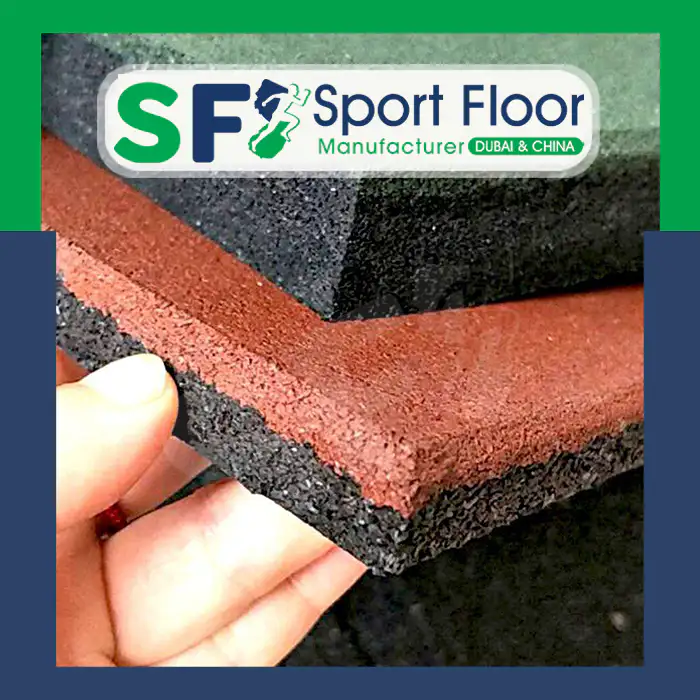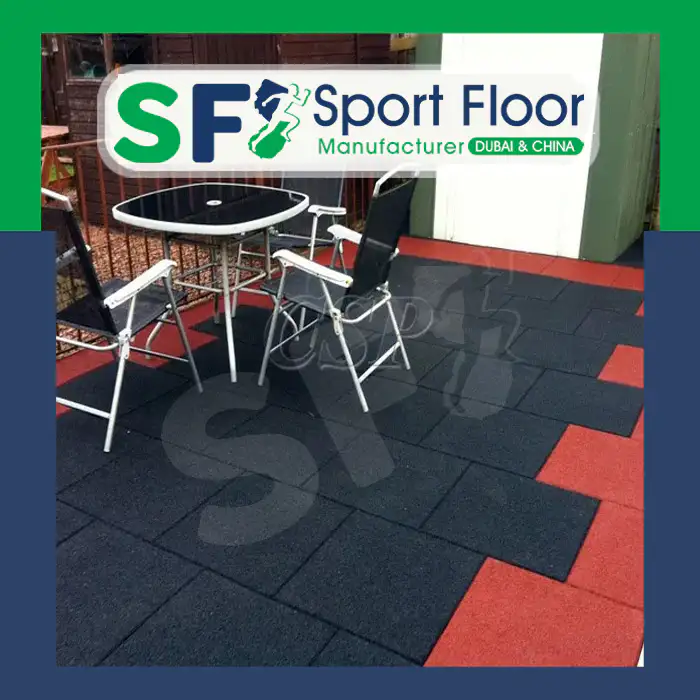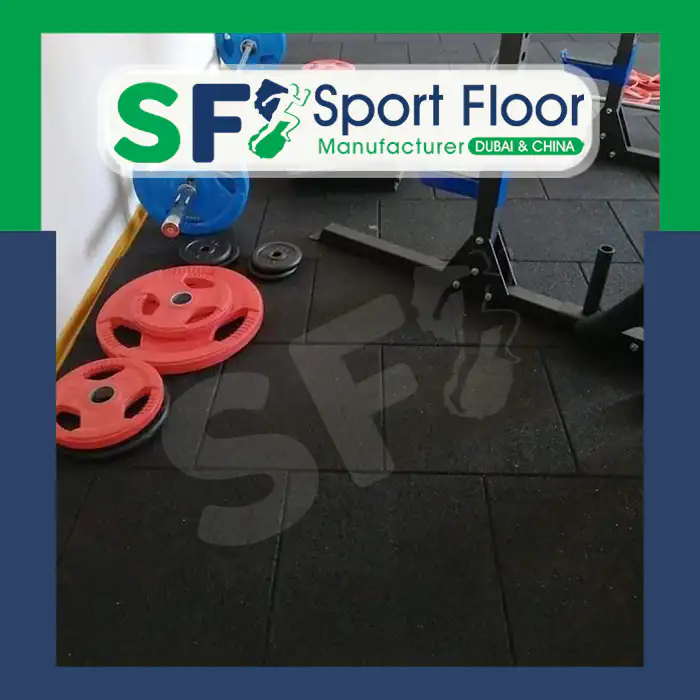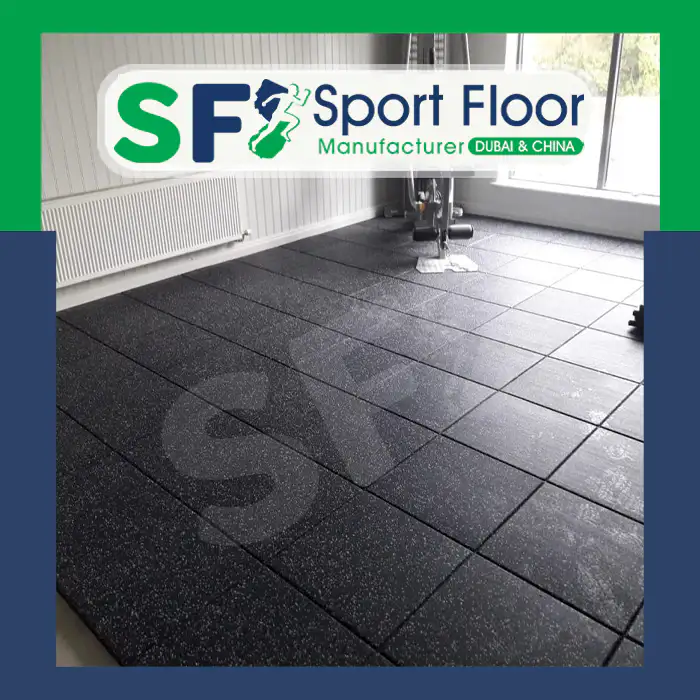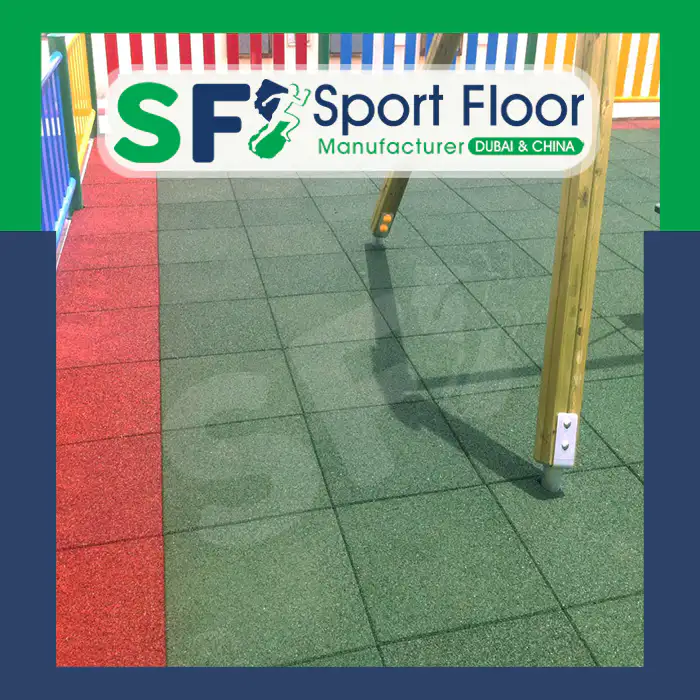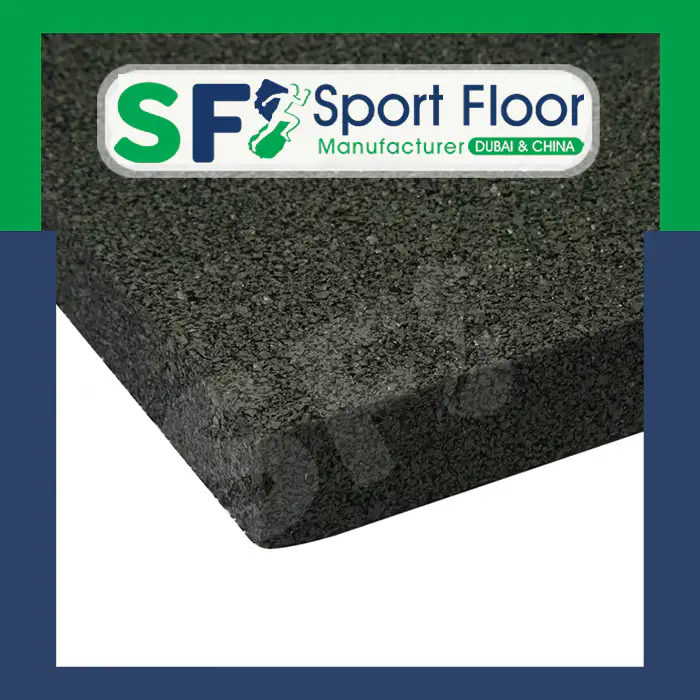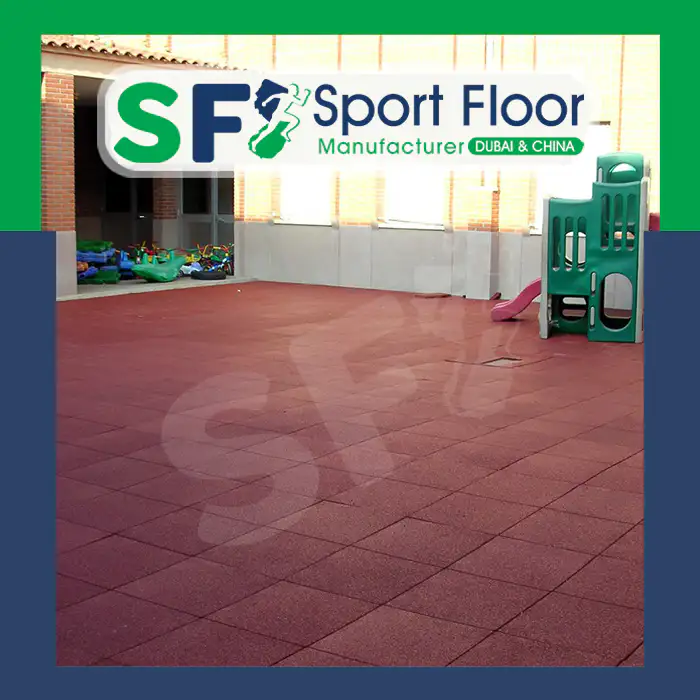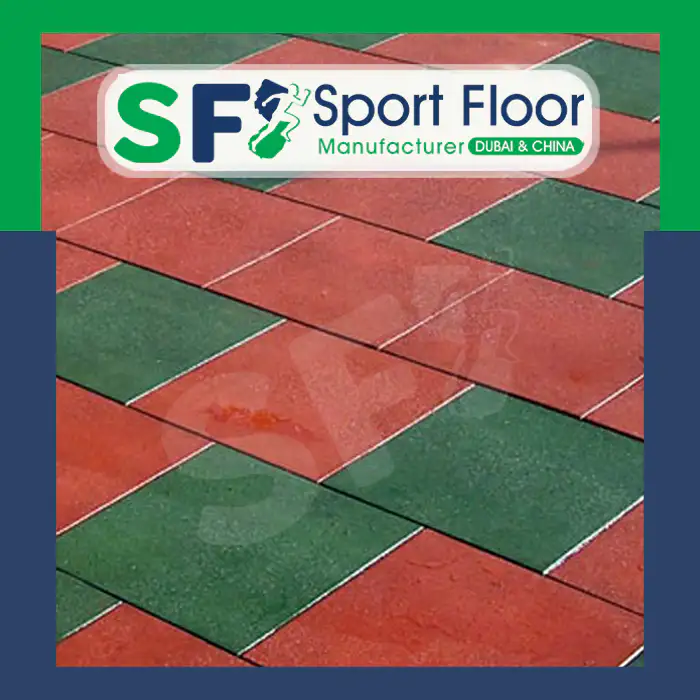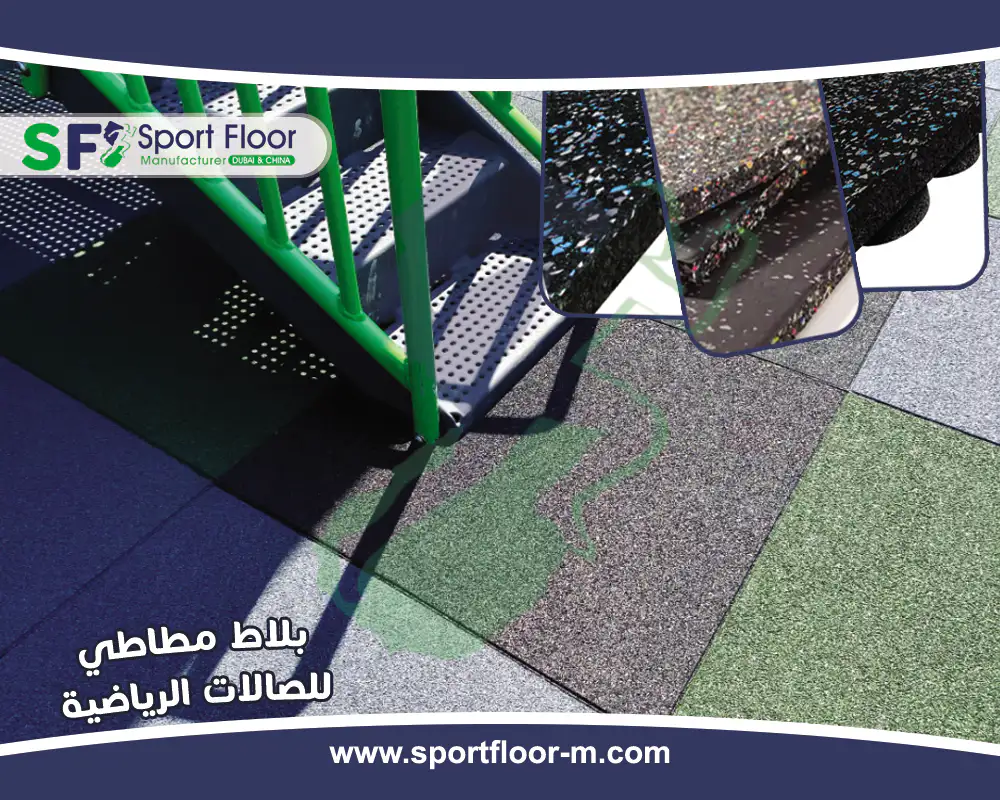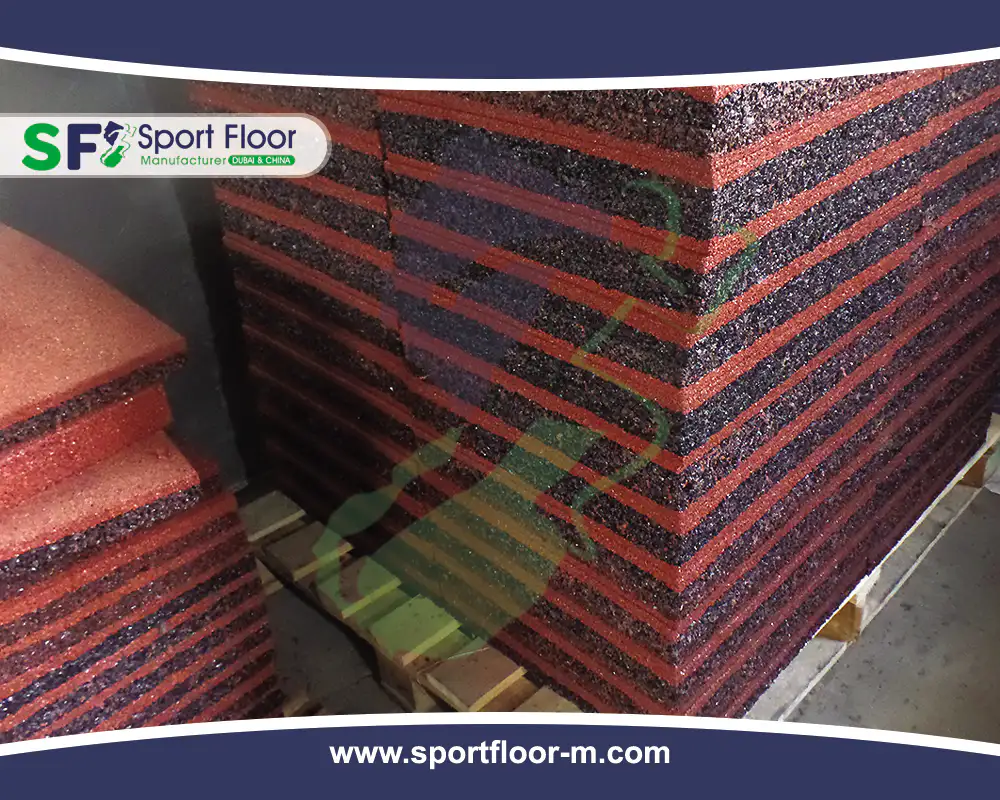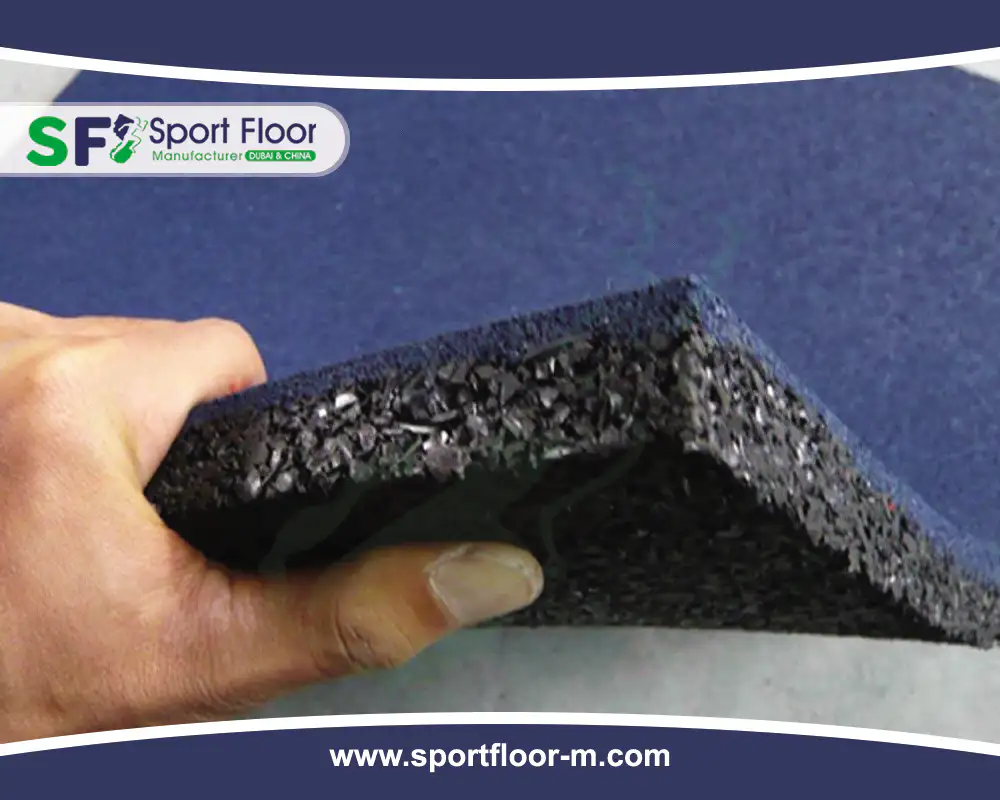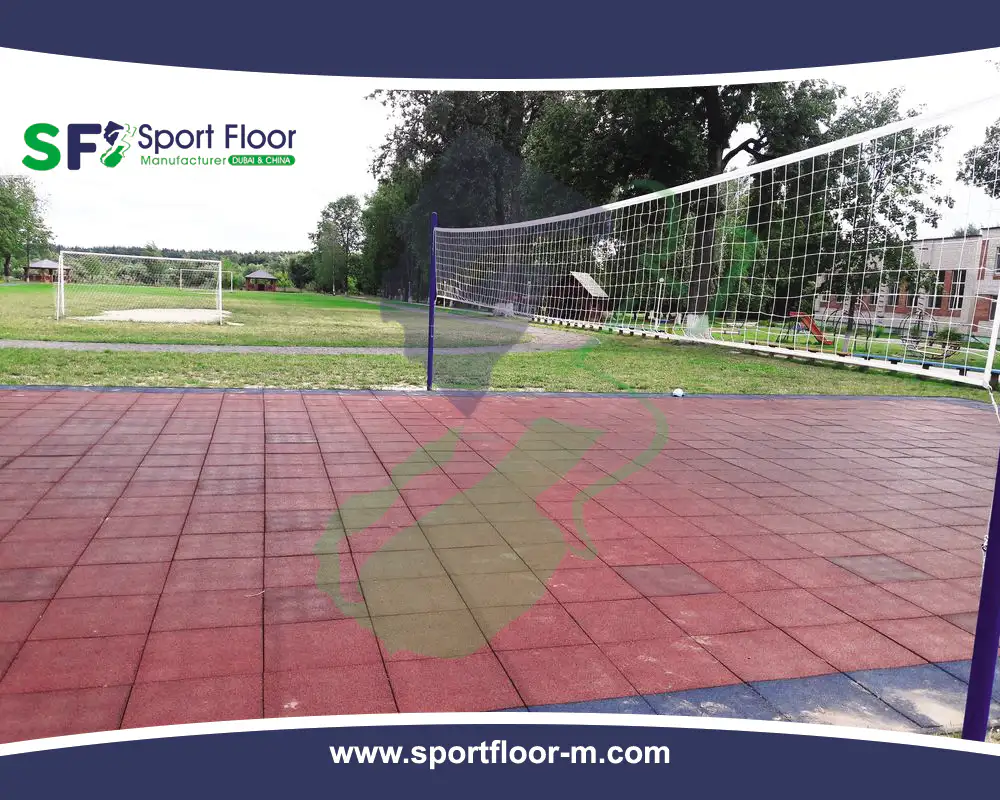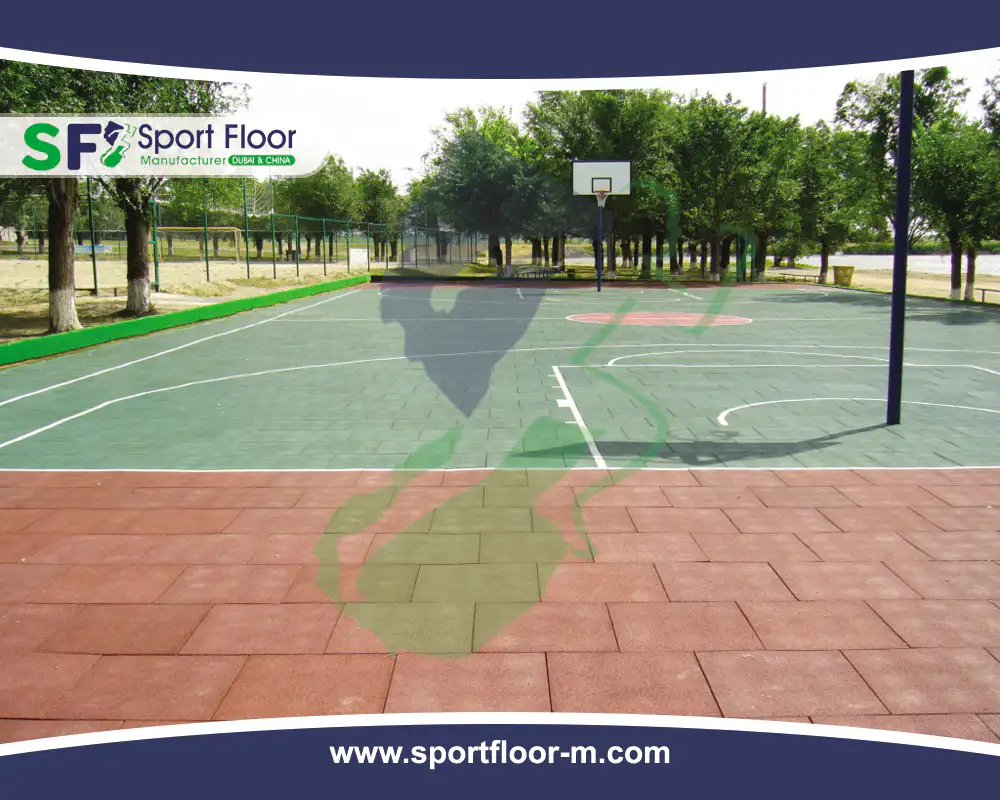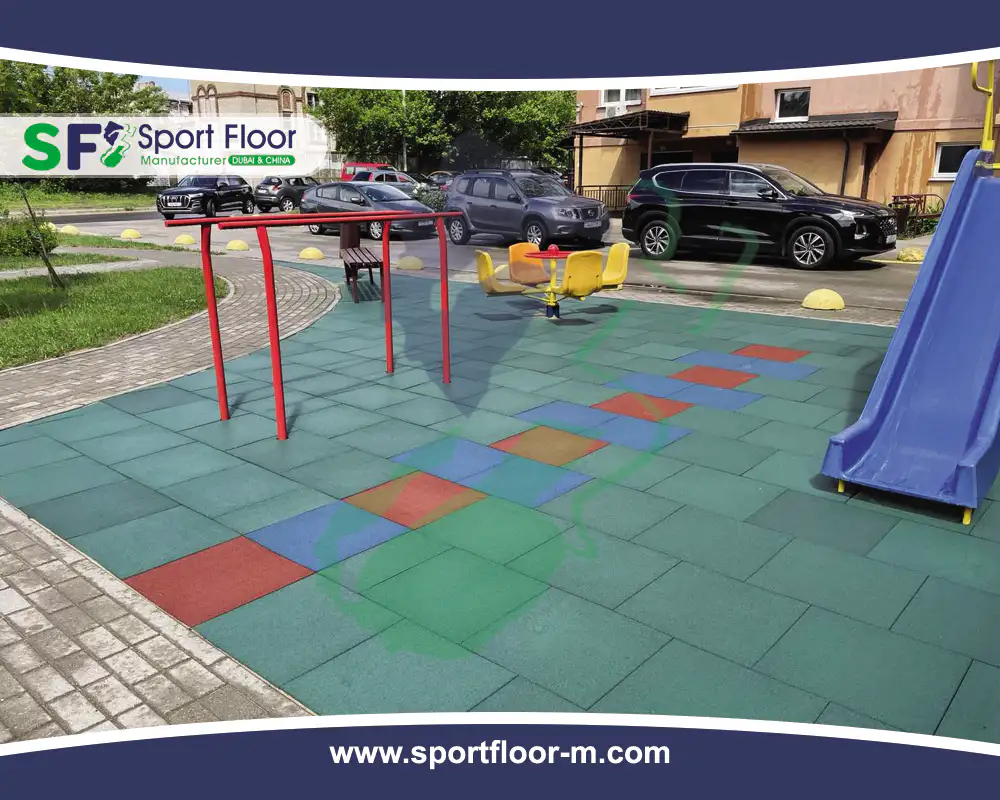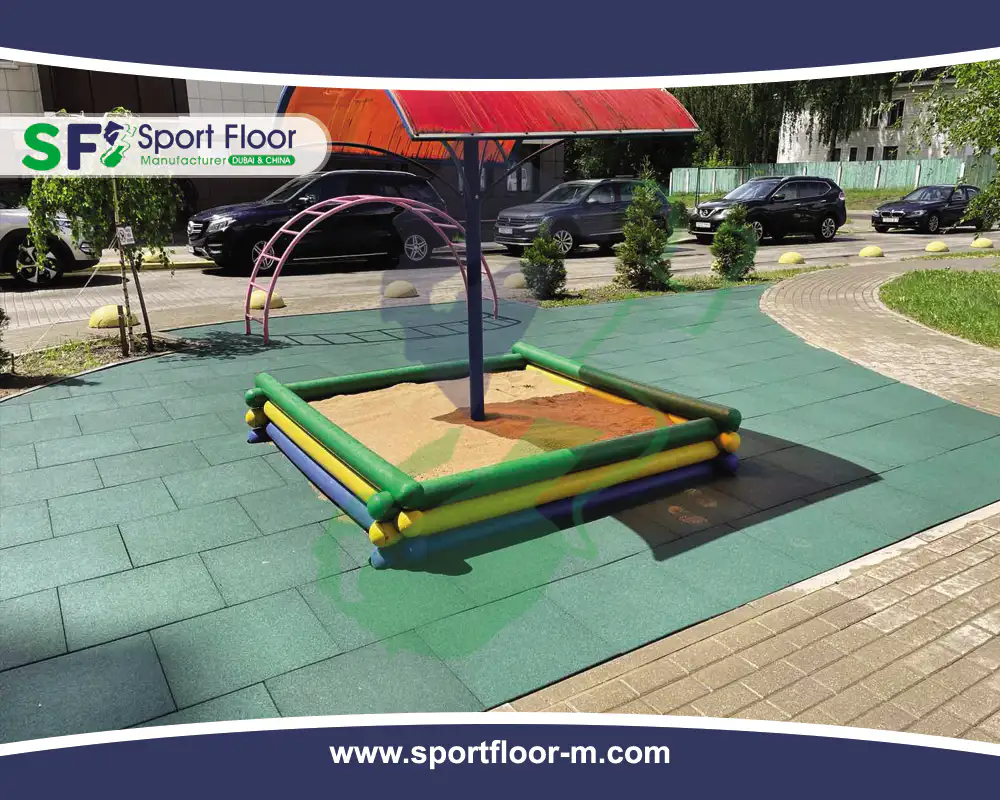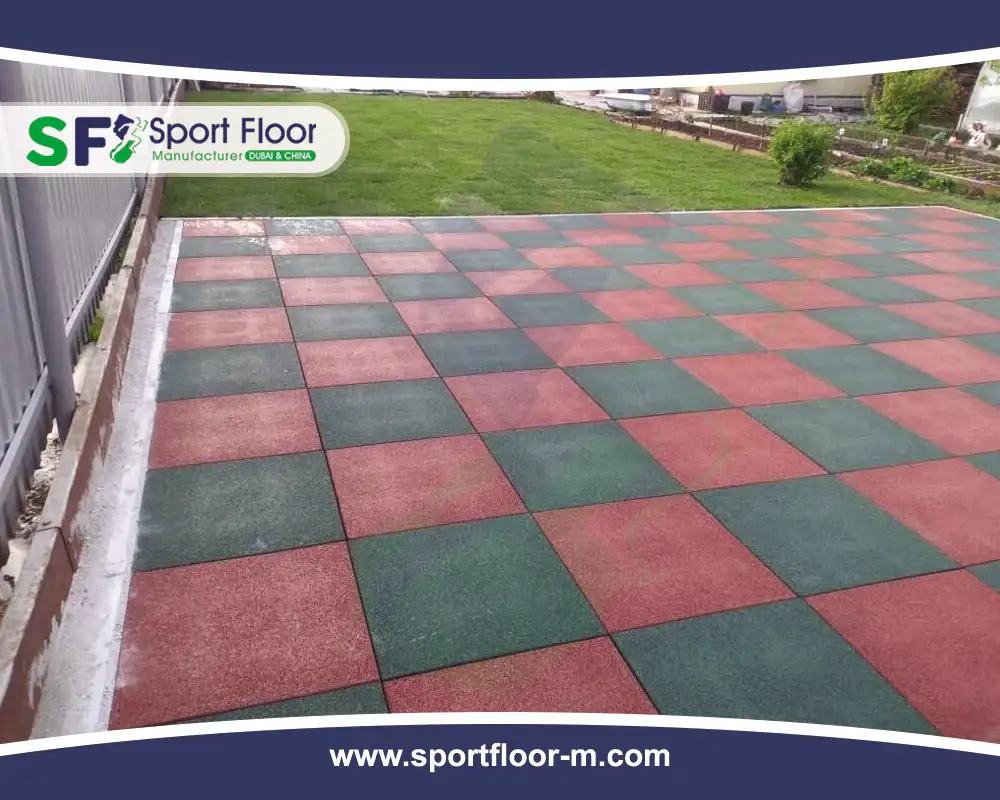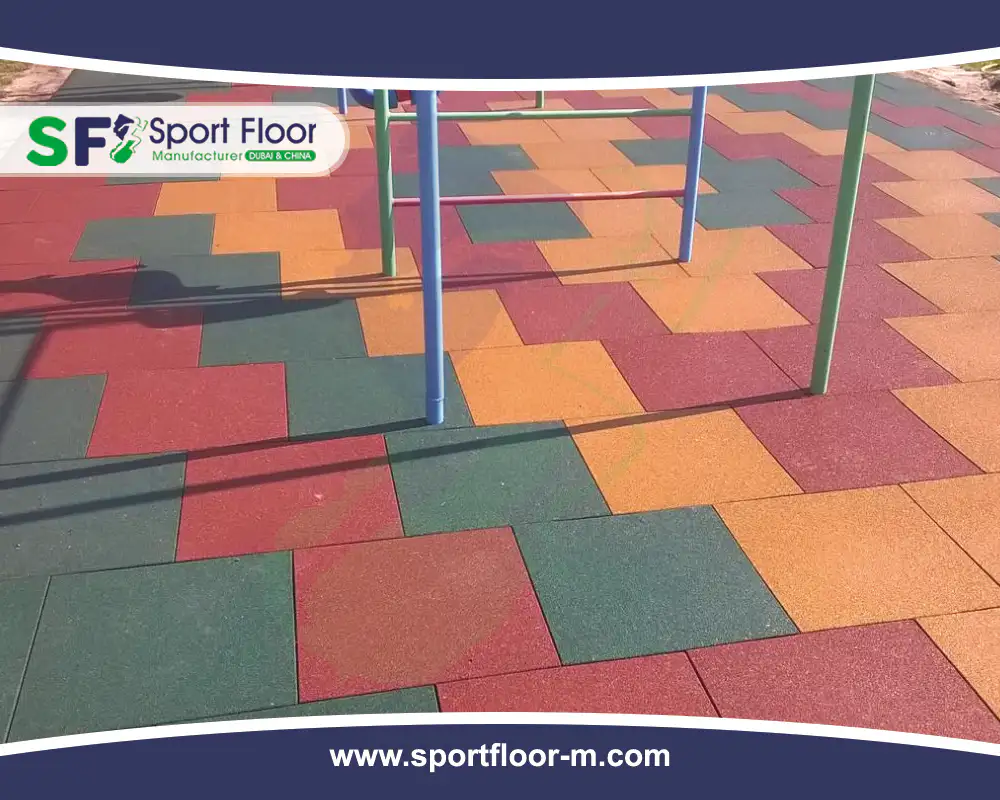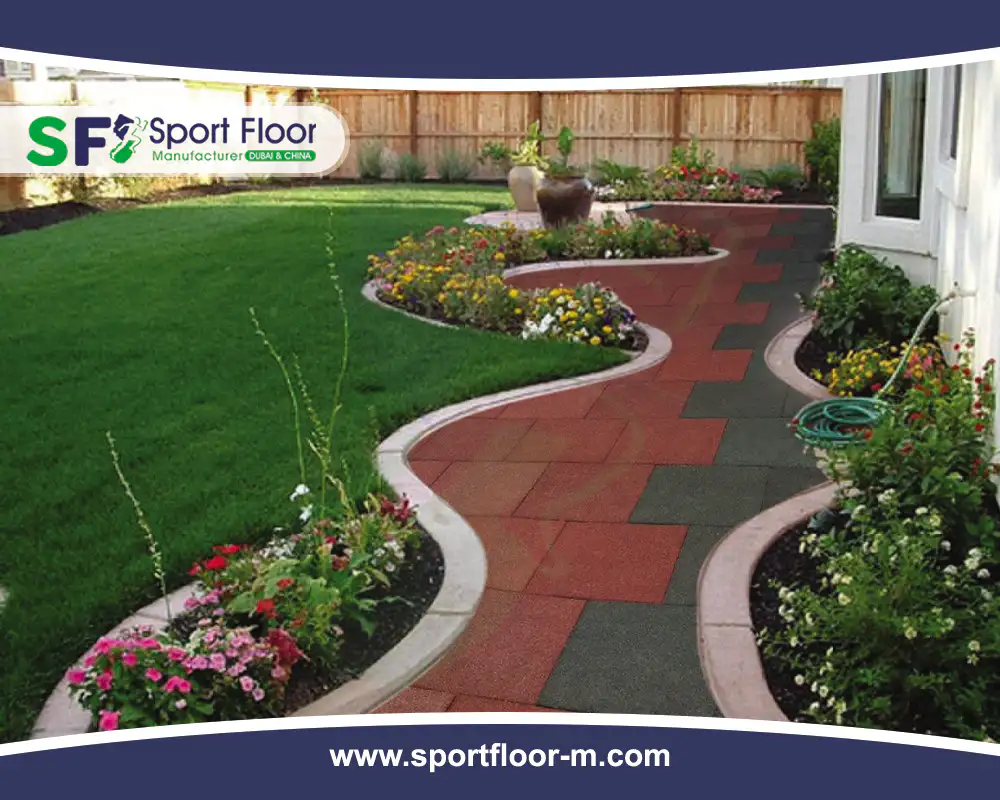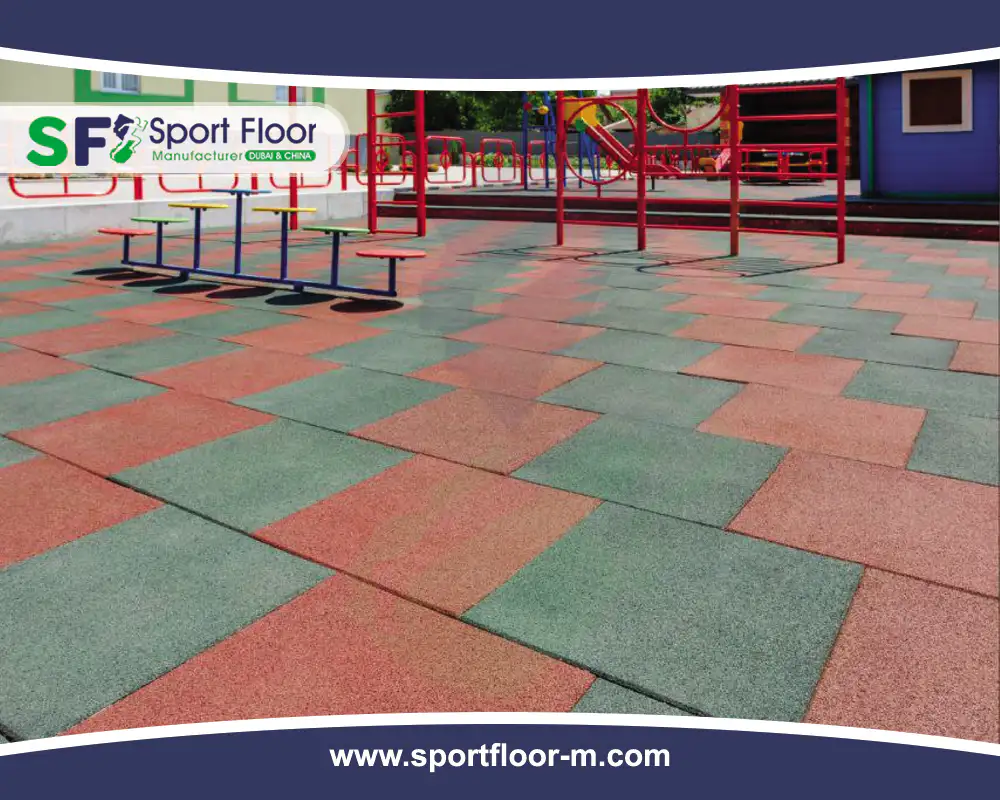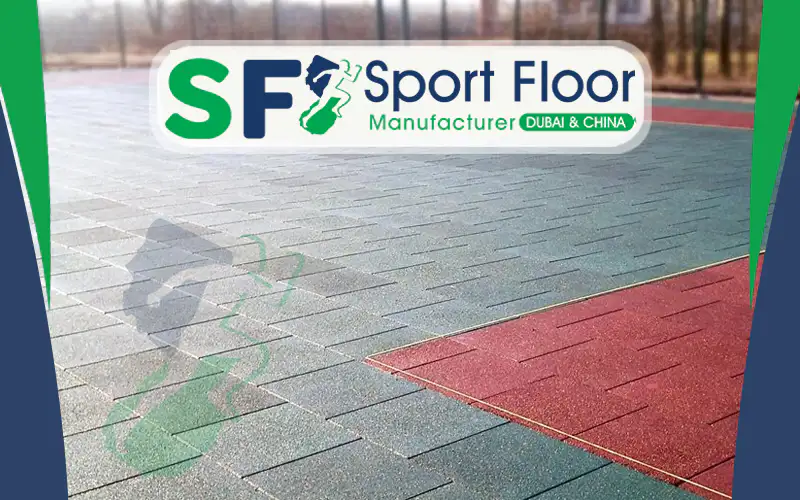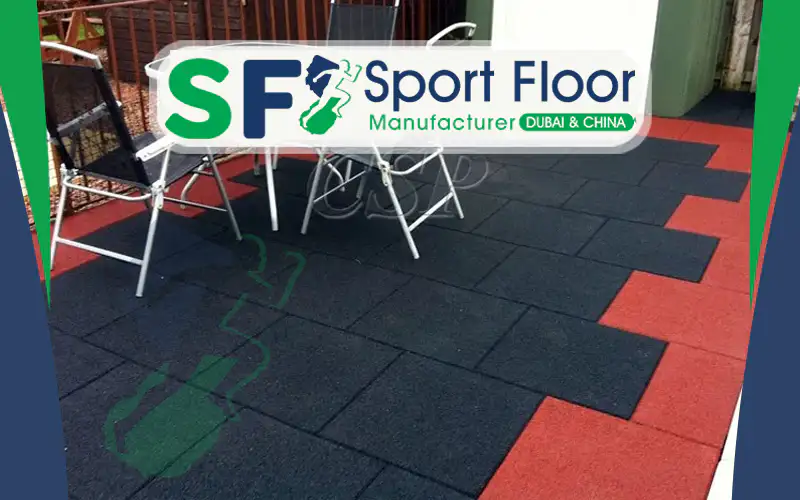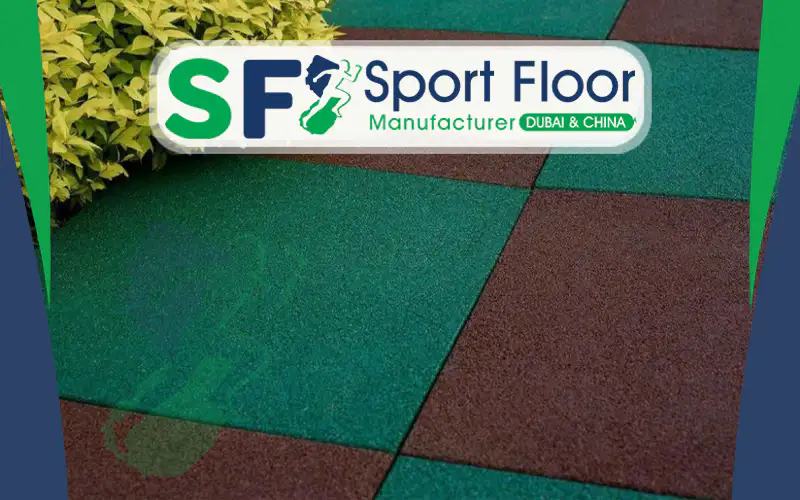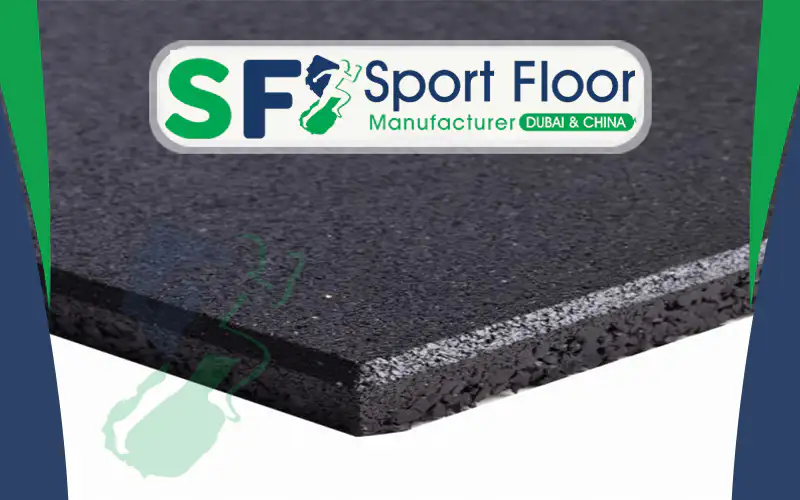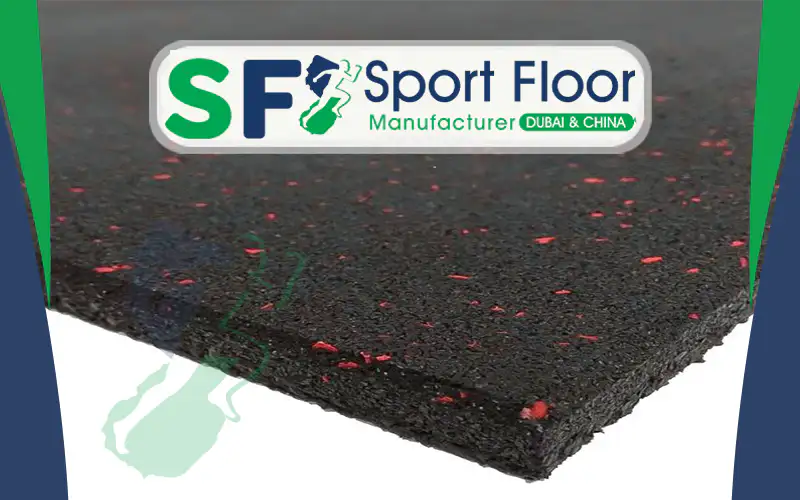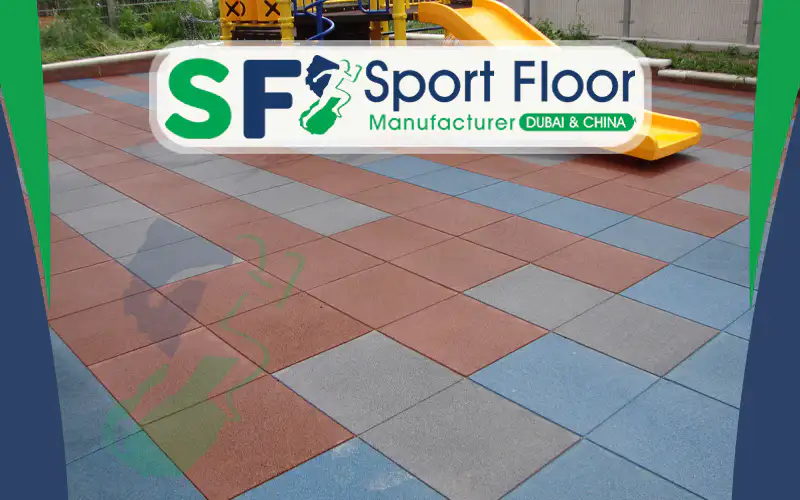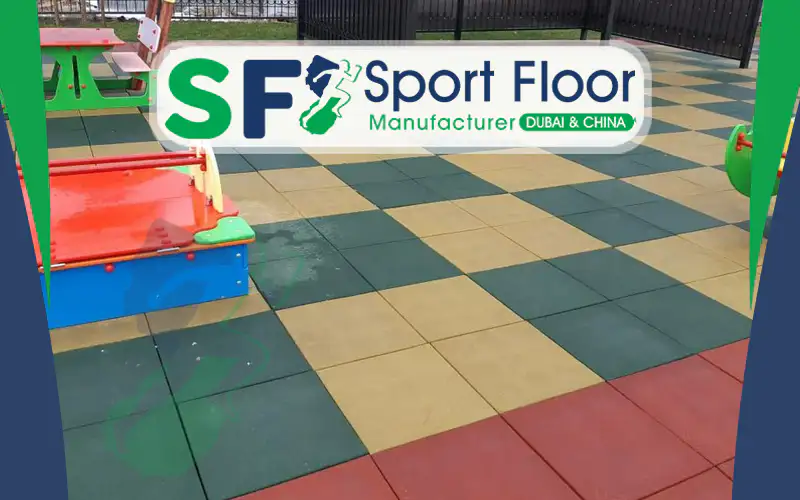















2 cm rubber tiles are a flexible and practical flooring solution, typically made from rubber granules (SBR or EPDM) bonded with a polyurethane (PU) binder or molded as solid rubber sheets. They are ideal for gyms, light play areas, balconies, and walkways, offering good slip resistance, partial shock absorption, and easy installation and maintenance. Choosing the right material type and quality determines the actual performance and service life of the flooring.


Why 2 cm Rubber Tiles Matter for You
If you’re considering a 2 cm rubber flooring system for a gym, preschool, balcony, outdoor path, or equipment room, your technical choices will directly impact safety, installation and maintenance costs, and user comfort.
Here, you’ll find everything you need to make a professional decision — from materials and specifications to installation and care tips.
A 2 cm rubber tile (20 mm thick) is made using one of two main methods:
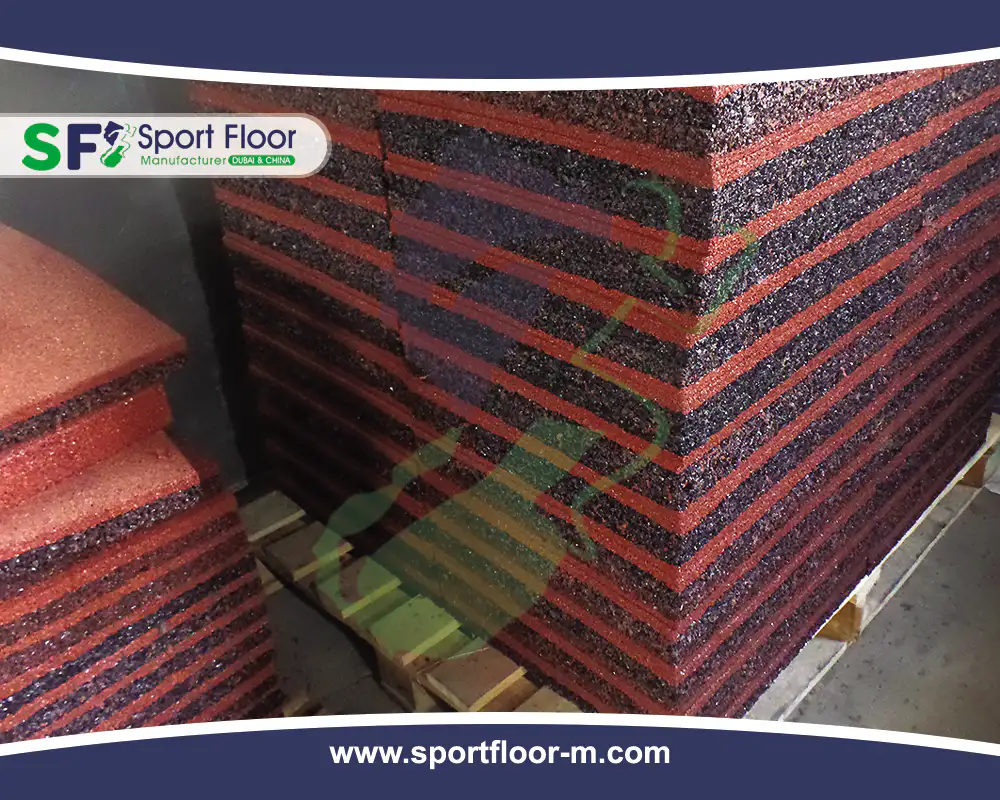
⦁ Bonded Rubber Tile — Rubber granules (usually SBR or EPDM mix) bound with polyurethane resin and molded into panels (typically 50×50 cm).
⦁ Rebond / Recycled Rubber Tile — Pressed and heat-formed tiles made from recycled rubber pieces, sometimes with a colored EPDM top layer for enhanced appearance and durability.
Practical difference:
Bonded EPDM tiles feature bright colors and a smoother texture, while rebonded tiles are darker and depend heavily on the binder quality and molding pressure.
- ⦁ SBR (Styrene-Butadiene Rubber) — recycled rubber
⦁ Dark color, cost-effective, good durability and compression resistance.
⦁ Ideal for medium-traffic areas like apartment corridors or small equipment rooms.
⦁ EPDM (Ethylene Propylene Diene Monomer) — synthetic colored rubber
⦁ Bright colors, excellent UV resistance, long-lasting appearance, and premium feel.
⦁ Recommended for children’s playgrounds and gyms requiring professional aesthetics.
⦁ PU Binder (Polyurethane Resin)
⦁ Used to bond rubber granules in poured systems.
⦁ Its quality determines durability, moisture resistance, and temperature stability.

Recyclable & Eco-Friendly
Made entirely from recycled materials to support sustainability and environmental responsibility.

Easy Maintenance
Engineered for simple cleaning and upkeep to maintain its appearance and high performance over time.

Sound Insulation
Effectively absorbs noise, creating a quiet and comfortable environment—ideal for gyms and indoor courts.

Cutting-Edge Technology
Produced using the latest manufacturing technologies for exceptional performance and minimal maintenance.

Safe Application
Provides a secure surface that minimizes slipping and reduces the risk of injuries.

Anti-Slip Surface
Designed with high friction resistance to ensure safe play even in wet or humid conditions.

Durability
Outstanding strength and wear resistance, capable of withstanding intensive use in any environment.

Specialized Solutions
We provide customized flooring systems tailored to your project’s unique needs and specifications.

Water Resistance
Developed to prevent water absorption and moisture buildup, keeping the surface permanently dry.

High Load Capacity
Engineered to bear heavy weights and pressure without deformation or damage.

Easy Installation
Offers exceptional stability with quick assembly, disassembly, and maintenance whenever needed.

International Standards
Manufactured according to the highest global quality and safety standards to guarantee unmatched performance.
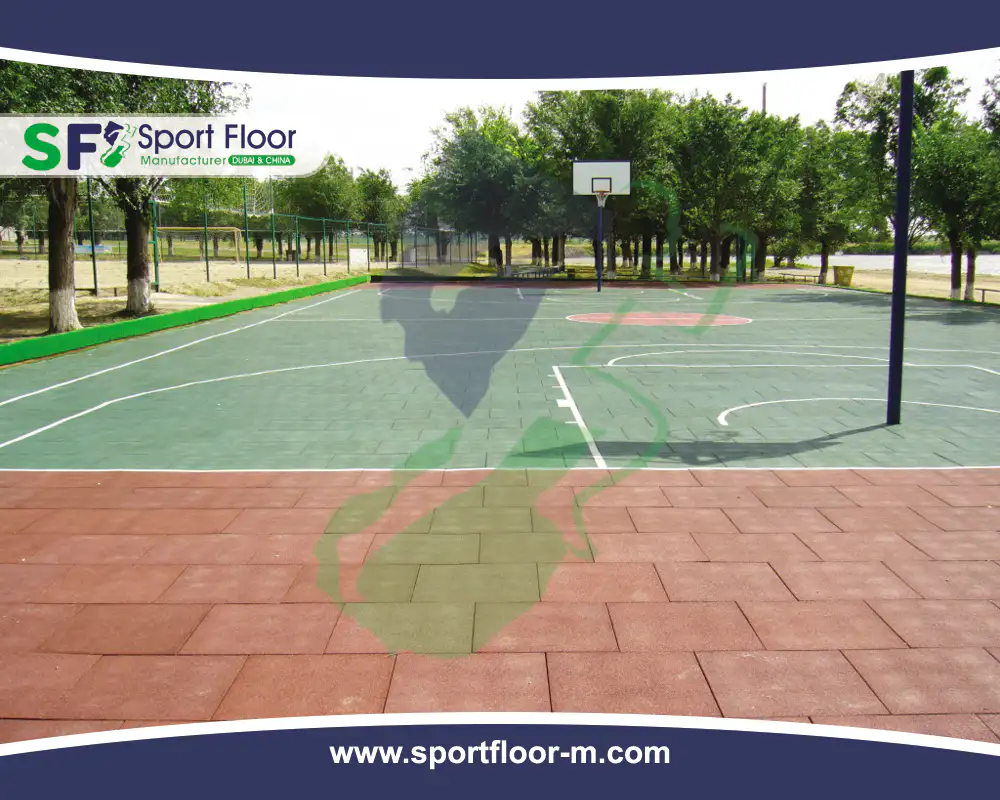

| Technical Specifications of 2 cm Rubber Tile
(Values are approximate and may vary depending on the selected model.)
20 mm (± 1 mm)
50 × 50 cm
8 – 16 kg/m² (depending on density and formulation)
Typically 40 – 65 Shore A, providing a balanced mix between comfort and durability.
Low to medium — not intended as a substitute for advanced impact systems (such as 4–5 cm tiles or underlay pads) where high-fall protection is required.
Generally good, especially with EPDM surfaces or added rubber granules.
Varies by system — some are slightly porous for surface drainage; adhesive-fixed systems are less permeable.
Excellent for UV-treated EPDM; SBR tends to fade faster if not treated.
Approx. −20 °C to +70 °C, depending on polymer and binder quality.


| Advantages and Disadvantages of 2 cm Rubber Tiles
- • Competitive price compared to thicker systems (4–5 cm).
• Easy installation (square tiles installed by interlocking or adhesive).
• Relatively lightweight — suitable for areas with limited load capacity (e.g., balconies).
• Customizable appearance with multiple EPDM color options.
• Simple maintenance: clean with mild soap and water, brush to maintain surface texture.
• Good slip resistance.
- • Limited shock absorption — not suitable for high-fall areas (thicker tiles are required).
• Faster wear in heavy-traffic environments; lifespan strongly depends on usage intensity.
• UV sensitivity if not treated (especially for SBR).
• Vulnerable to oils and solvents — may stain and require specialized cleaning.
• Choose SBR if your budget is limited, usage is moderate, and the location is indoor or covered.
• Choose EPDM if you prefer a premium look, UV resistance, bright colors, and frequent or outdoor use with direct sunlight.


Professional Installation Steps by Sport Floor
- 1. Base Preparation and Repair
- 2. Moisture Level Check
- 3. Apply Adhesive or Fixing System
- 4. Tile Layout
- 5. Edge Cutting
- 6. Final Pressing and Leveling
- 7. Final Cleaning and Quality Inspection
Ensure the surface is clean, level, and all cracks are properly sealed.
Especially for concrete substrates — excess moisture prevents proper adhesive bonding.
Follow manufacturer guidelines — use specialized PU adhesive or a non-adhesive interlocking system when applicable.
Start from the center of the area or a fixed reference point, keeping precise alignment and expansion gaps where required.
Trim tiles neatly to fit corners, edges, and openings.
Apply even pressure to ensure full adhesion and a uniform surface appearance.

Check slip resistance, adhesion, and overall finish before handover.
Important Note: Follow the supplier's thermal expansion instructions—for large spaces, leave expansion joints at the edges.


Optimal Maintenance for 2 cm Rubber Tiles
Remove dust and debris using a soft brush or industrial vacuum cleaner.
Wash with lukewarm water and mild soap; avoid cleaners containing strong solvents.
Inspect for wear, replace any damaged tiles, and check edges and joints for separation.
Review overall surface safety and seal any small cracks.
Use rubber-specific stain removers and rinse thoroughly to prevent discoloration.
| Criterion | 2 cm Rubber Tiles | 4 cm Rubber Tiles | PU / Acrylic Flooring |
|---|---|---|---|
| Shock Absorption | Limited | Good | Excellent (customizable) |
| Total Cost | Low–Medium | Medium | Medium–High |
| Installation Time | Short | Moderate | Moderate–Long |
| Best Use | Playgrounds / Fitness Zones / Walkways / Balconies | Playgrounds / Weight Areas / Medium Sports Spaces | Sports Courts / Multi-Activity Gyms |
| Durability | Medium | Medium–High | High |
| Weight / Sub-base Strength | Suitable for light or sensitive surfaces | Requires stronger base | Requires a well-leveled and solid base |
Superior Quality
Design Flexibility
Eco-Friendly Materials
Outstanding Technical Support
Sport Floor products go far beyond local workshops or regional markets — they are trusted and installed in 47 countries across diverse climates and operational conditions. From schools and playgrounds in the Middle East to clubs and resorts across Europe and Asia, our global footprint is a living testament to the reliability of our materials and the quality of our craftsmanship.

FIFA Quality & FIFA Quality Pro Certificates

International Sports Federations Approvals

Global ISO Certifications

European Standards (EN)
Initial Cost and Return on Investment (ROI)
Prices vary greatly depending on the country, project size, and product type, but keep in mind:
Material cost per m² + installation accessories + shipping logistics + labor + base preparation (if required).
Always think in terms of a 5-year total investment — choosing higher quality for high-traffic areas significantly reduces maintenance expenses and lowers the overall long-term cost.
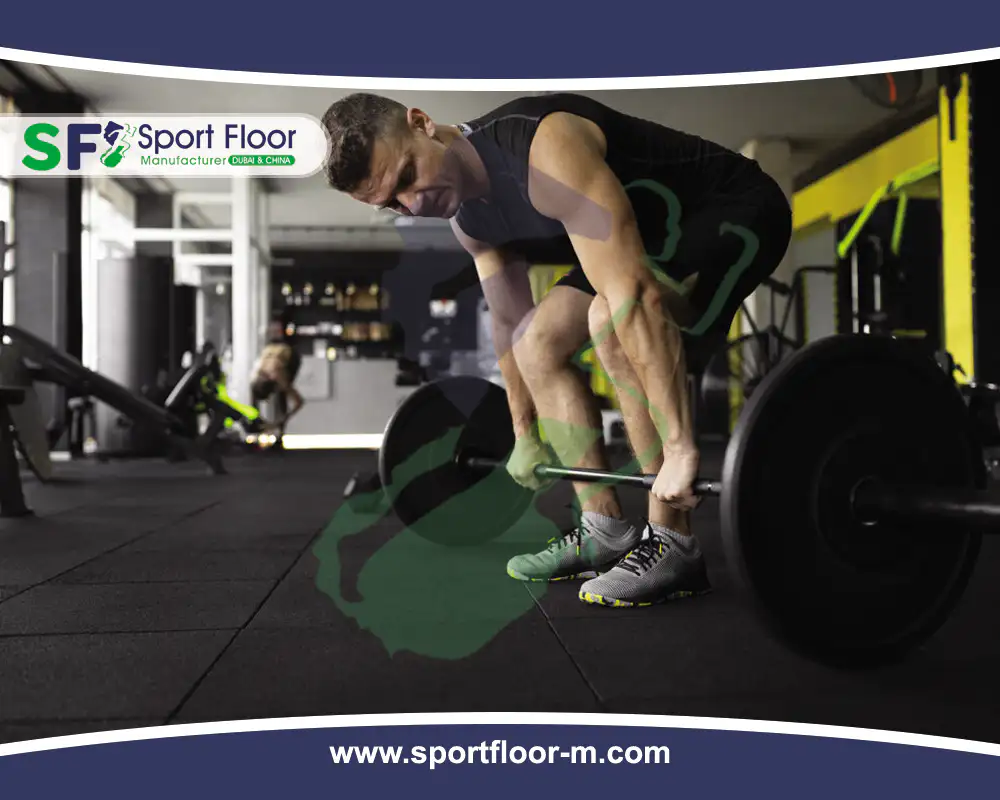
Not recommended for official free-weight zones due to concentrated impact loads. Choose thicker systems (4–5 cm) or dedicated lifting platforms for better protection and durability.
Yes — provided it’s made of UV-resistant EPDM rubber, installed with a waterproof adhesive system, and includes proper drainage beneath.
Yes, by replacing the tiles or choosing pre-colored EPDM from the start. Painting over rubber tiles is not recommended.
Typically 2–3 years, depending on material quality, usage intensity, and maintenance frequency.


The Largest Rubber Tile Supplier in the Middle East
Sport Floor’s 2 cm rubber tile is a practical and reliable flooring solution that combines everyday performance, safety, and easy installation.
Manufactured to certified international standards, it’s trusted and used in 47 countries worldwide.
Whether your project is a fitness center, light play area, balcony, or commercial walkway, if you’re looking for a cost-effective yet durable solution like 2 cm rubber flooring, we’re ready to provide:
⦁ A free field sample,
⦁ A detailed quotation including quantities and shipping.
Contact us today — let’s transform your space into a durable, safe, and functional surface built to last.
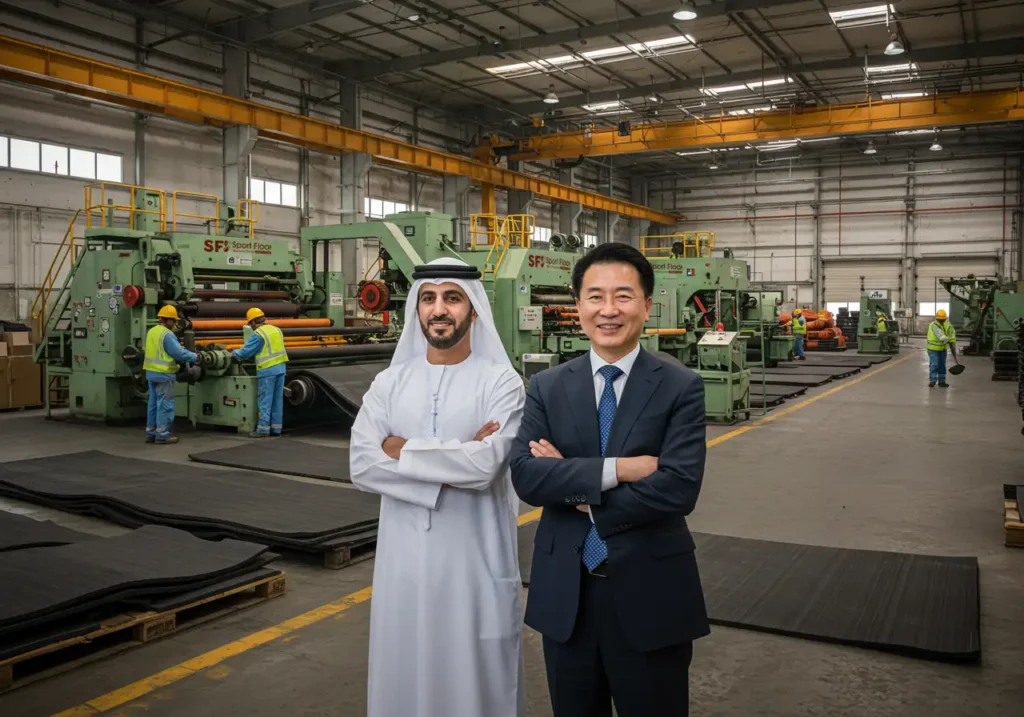
A sports materials and flooring engineer with over 18 years of experience in designing rubber and artificial turf flooring systems. He has overseen the implementation of gym and playground projects in China, the Middle East, and Europe, and focuses on selecting materials that balance performance, cost, and sustainability.
M. Liu Jin Product Development Manager at Sportfloor