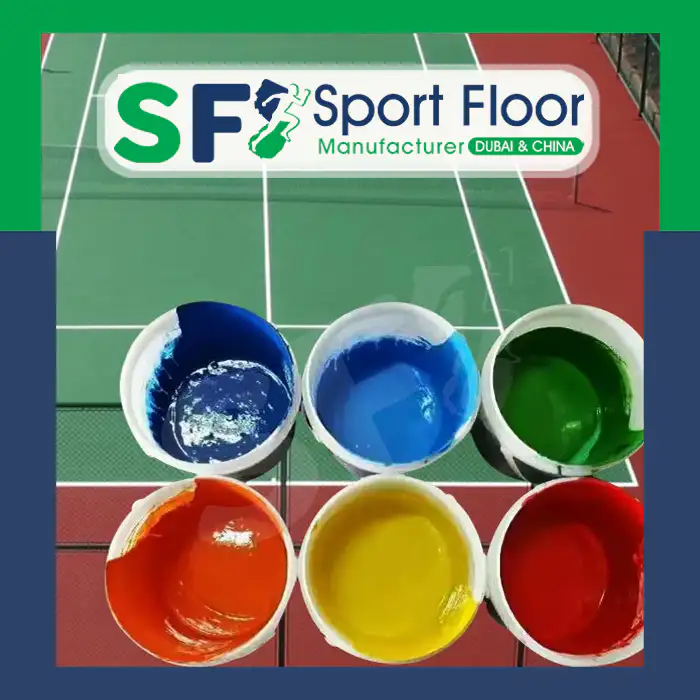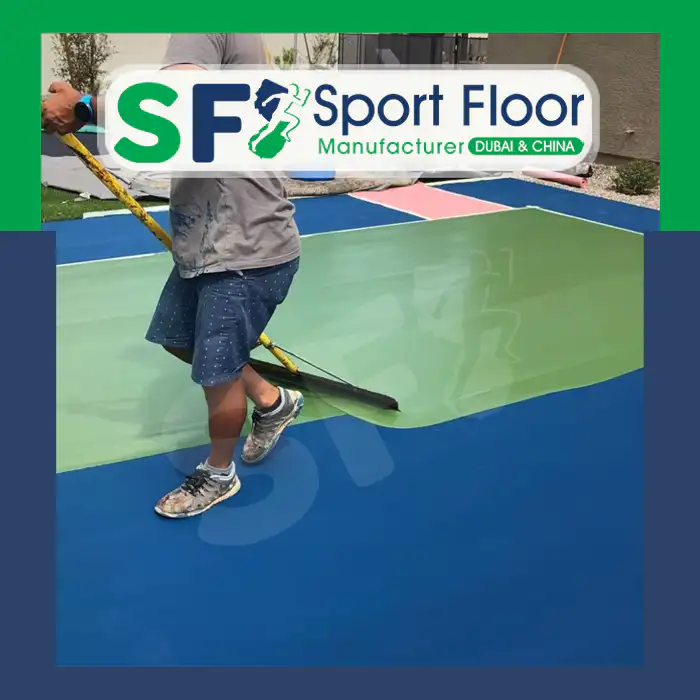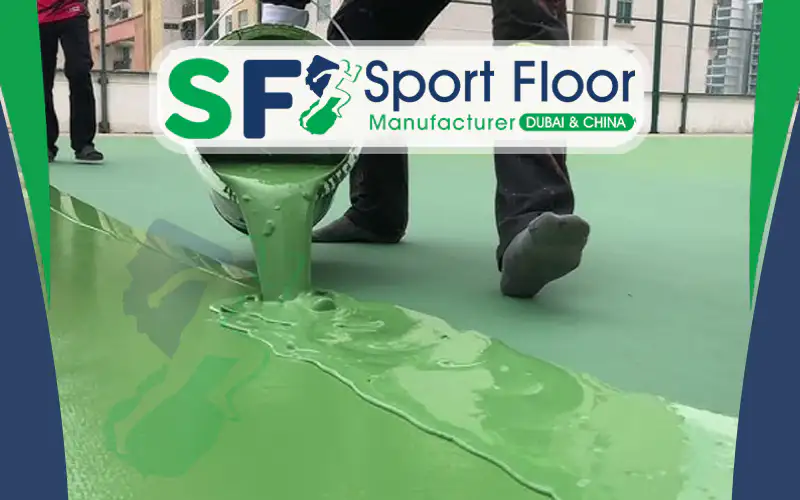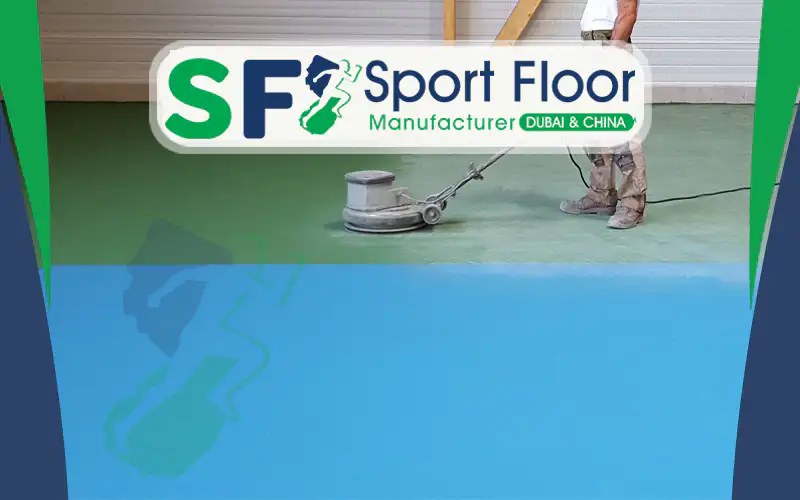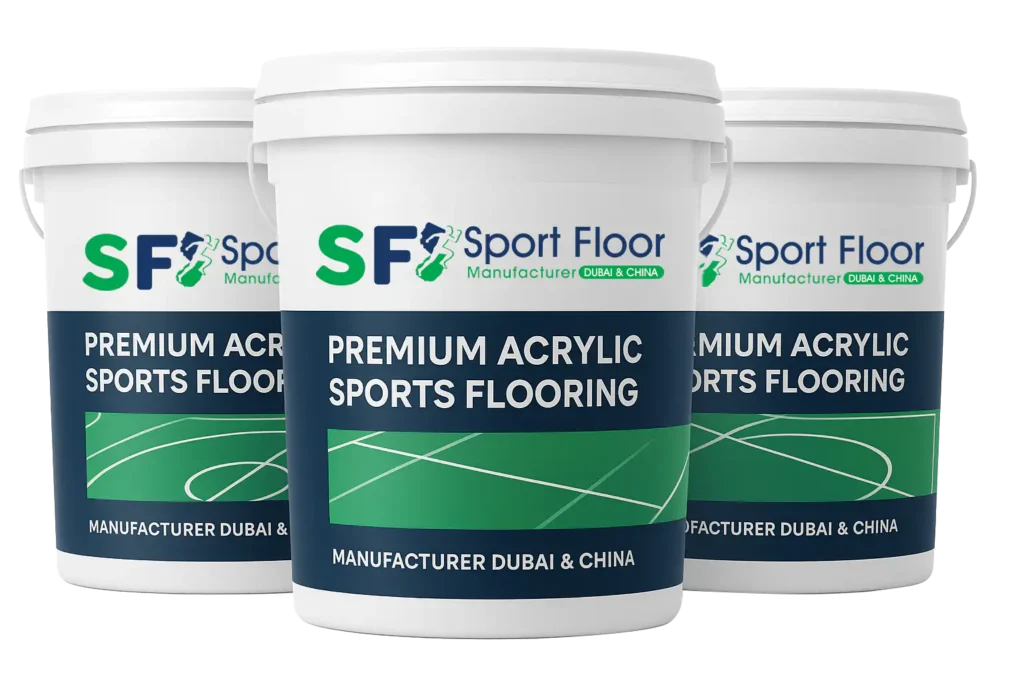

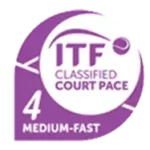
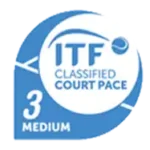
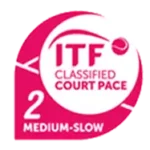
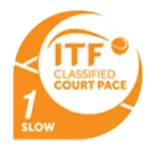






Acrylic materials and systems for sports courts are advanced athletic solutions applied over concrete or asphalt bases to create safe, flexible, weather-resistant surfaces suitable for various sports such as tennis, basketball, volleyball, and running tracks.


Acrylic Systems for Sports Courts – Sport Floor: The First Choice for Modern Courts
Acrylic combines:
⦁ High durability for intensive use.
⦁ Low maintenance costs.
⦁ Flexible colors and designs to match each facility’s identity.
⦁ Compliance with international standards (ITF, FIBA, IAAF).
- Standard Acrylic System
⦁ Description: Colored acrylic layers applied directly over a concrete or asphalt base.
⦁ Features: Low cost, good weather resistance, ideal for school courts.
⦁ Use: Tennis courts, basketball courts, community areas.
- ⦁ Description: Addition of a rubber Shock Pad between the base and acrylic layers.
⦁ Features: Shock absorption, increased comfort, reduced player injuries.
⦁ Use: Professional training courts, clubs, universities.
- ⦁ Description: Multiple acrylic layers with added silica sand to enhance grip and control ball bounce.
⦁ Features: High performance, balanced play speed, longer lifespan.
⦁ Use: Official tournaments and international-level courts.
- ⦁ Description: Running track designed with special acrylic layers in red or blue, resistant to wear.
⦁ Features: Safe for runners, flexible, withstands intensive use.
⦁ Use: Schools, clubs, government projects.

Recyclable & Eco-Friendly
Made entirely from recycled materials to support sustainability and environmental responsibility.

Easy Maintenance
Engineered for simple cleaning and upkeep to maintain its appearance and high performance over time.

Sound Insulation
Effectively absorbs noise, creating a quiet and comfortable environment—ideal for gyms and indoor courts.

Cutting-Edge Technology
Produced using the latest manufacturing technologies for exceptional performance and minimal maintenance.

Safe Application
Provides a secure surface that minimizes slipping and reduces the risk of injuries.

Anti-Slip Surface
Designed with high friction resistance to ensure safe play even in wet or humid conditions.

Durability
Outstanding strength and wear resistance, capable of withstanding intensive use in any environment.

Specialized Solutions
We provide customized flooring systems tailored to your project’s unique needs and specifications.

Water Resistance
Developed to prevent water absorption and moisture buildup, keeping the surface permanently dry.

High Load Capacity
Engineered to bear heavy weights and pressure without deformation or damage.

Easy Installation
Offers exceptional stability with quick assembly, disassembly, and maintenance whenever needed.

International Standards
Manufactured according to the highest global quality and safety standards to guarantee unmatched performance.
| Maintenance | Lifespan | Usage | Comfort | Cost | System |
|---|---|---|---|---|---|
| Simple | 6–8 years | Schools / Community | Medium | Low | Standard |
| Low | 8–10 years | Clubs / Gyms | High | Medium | Padded |
| Low | 10–12 years | Tournaments | Very High | High | Professional |
| Low | 8–12 years | Schools / Gyms | Medium | Medium | Running Design |
| Simple | 7–9 years | Multipurpose Courts | Medium | Economical | Stretch |
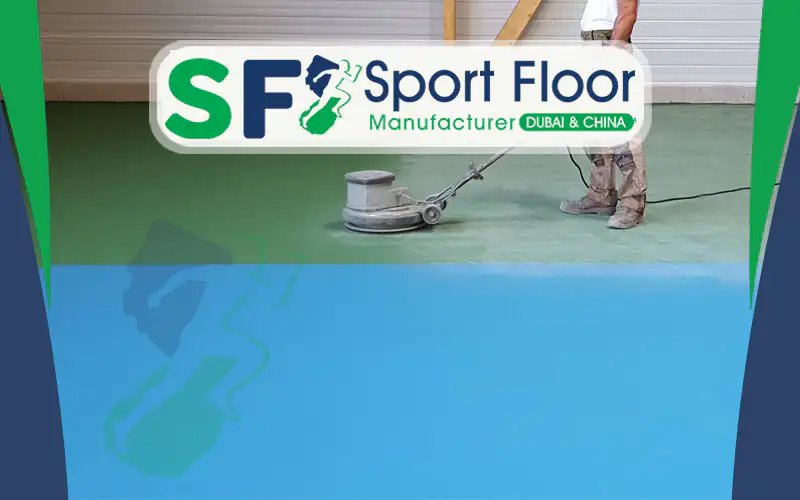
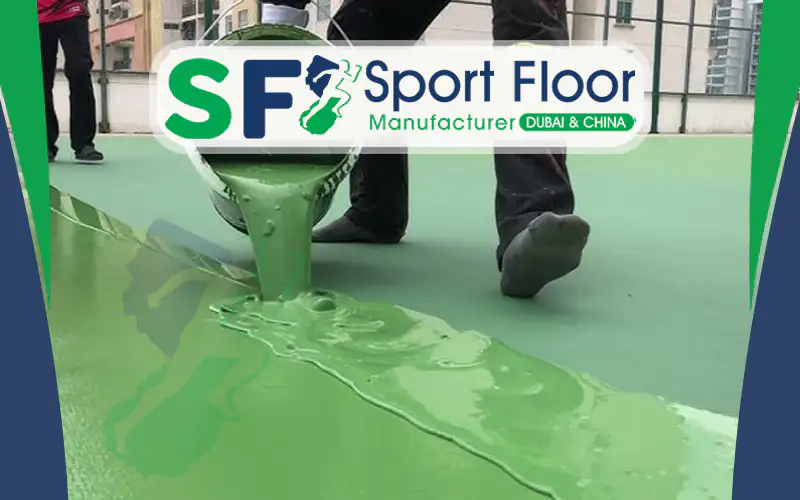
Acrylic Systems Installation Steps


Benefits of Acrylic Systems for Investors and Clients
Stages and Materials for a Complete Acrylic Court by Sport Floor
- ⦁ Concrete / Asphalt: The solid foundational layer, prepared and leveled before any work.
⦁ Filling and Repair Materials: Options such as cementitious patching and repair mortar to fill cracks and level the surface before primer.
- ⦁ Acrylic Water-Based Primer: Enhances adhesion of acrylic layers to concrete or asphalt and reduces substrate absorption.
Tip: Use the primer recommended by the system supplier to ensure proper adhesion.
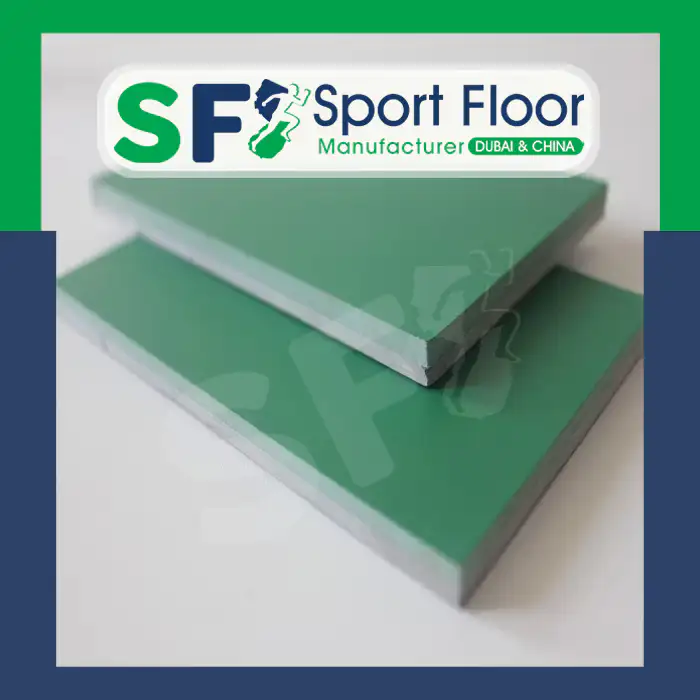
⦁ SBR or EVA sheets/rolls or site-prepared rubber crumb + binder layer used to absorb shocks, improve comfort, and reduce joint stress.
⦁ Recommended for intensive sports usage or when reducing impact force is needed.
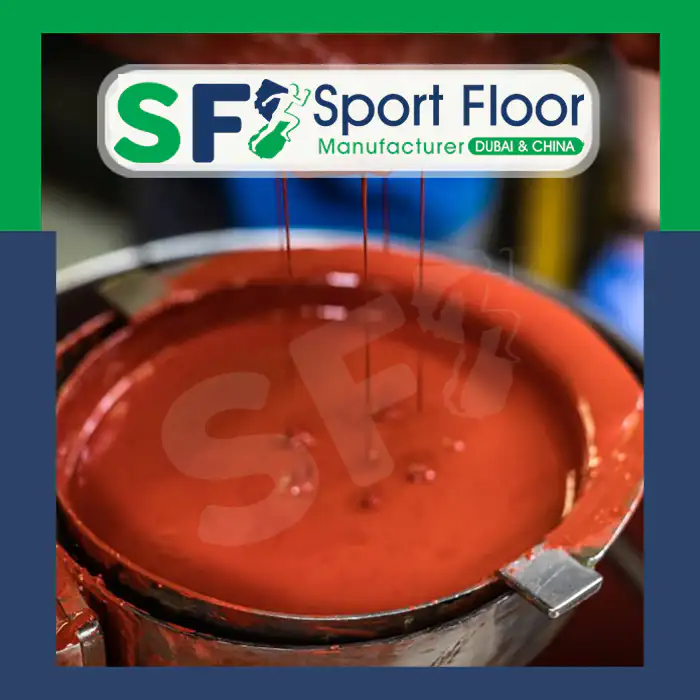
⦁ Water-based acrylic polymer emulsion: The core of the system; binds layers, provides flexibility, durability, and UV resistance.
⦁ Required properties: UV resistance, color stability, appropriate solid content, suitable viscosity, and drying speed for site conditions.
⦁ Colored Acrylic Coats: Usually 2–3 layers (base + finish) to build thickness and final color.
⦁ Textured Coat (optional): Mixed with silica sand to provide proper traction and desired sports appearance.
⦁ Fine quartz sand to enhance traction and texture.
⦁ Typical grain size: ~0.1–0.6 mm depending on system.
⦁ Function: Prevents slipping, adjusts ball bounce friction, and improves wet-surface grip.
- ⦁ UV stabilizers / light stabilizers.
⦁ Fungicides and anti-mold agents.
⦁ pH modifiers to improve resin life.
⦁ Anti-slip additives if additional surface roughness is required.
⦁ Water-based acrylic or specialized line paints: durable, wear-resistant, standard colors (white, yellow, etc.).
⦁ Applied after curing of base layers and maintained periodically.
⦁ Rubber granules for hybrid systems or infill layers.
⦁ In special tracks or multi-sport courts, fillers improve shock absorption or adjust surface properties.
⦁ Base: Well-prepared concrete or asphalt (proper moisture level, flat).
⦁ Crack repairs and joint filling.
⦁ Acrylic Primer: Single coat.
⦁ Shock Pad (Optional): Rubber sheet or loose rubber layer.
⦁ First Binder Coat: Acrylic binder layer.
⦁ Optional Sand-Filled Layer: To improve surface texture.
⦁ Final Colored Acrylic Layer(s): One, two, or three coats.
⦁ Line Painting: Applied precisely.
⦁ Approximate Total Thickness: Depends on system; typically 2 mm up to 8–10 mm or more for Shock Pad systems.


⦁ Prefer water-based acrylic: Reduces VOCs, easy to apply, and environmentally friendly.
⦁ Surface preparation is key: Adhesion depends heavily on proper leveling and testing.
⦁ Testing: Pull-off adhesion test, skid resistance test, and shock absorption test if a Shock Pad is installed.
⦁ UV treatment: Important for Gulf/desert regions — request resins with UV protection.
⦁ Quality certificates: Ask the supplier for lab reports on wear resistance, color stability, and adhesion.
Why choose acrylic materials from Sport Floor?
Superior Quality
Design Flexibility
Eco-Friendly Materials
Outstanding Technical Support

FIFA Quality & FIFA Quality Pro Certificates

International Sports Federations Approvals

Global ISO Certifications

European Standards (EN)
Yes, thanks to its resistance to UV rays and weather conditions.
Typically 3 to 7 years, depending on usage and maintenance.
Absolutely, Sport Floor offers multiple colors according to the project identity.
Yes, some UV-treated acrylic systems from Sport Floor are suitable for outdoor courts.
Yes, localized repairs and spot painting are possible, though full layer replacement may be needed if severe deterioration occurs.
PU (Polyurethane) provides higher flexibility and shock absorption, often used for professional competitions; acrylic is a durable, economical option suitable for schools and community use.


FIFA/International Federation Approved Acrylic Materials and Systems
By choosing acrylic materials and systems from Sport Floor, you are investing in quality, safety, and durability, with a guarantee that meets international standards.
Contact us now for a free consultation and a customized quote.
Sports field materials and systems engineer with 18+ years of experience. Supervised the design and implementation of acrylic sports field projects in Asia, Europe and the Middle East, specializing in performance and safety specifications.
Engineer / Wang Jun Director of Acrylic Manufacturing at Sport Floor